Why does a bitter taste matter for glucose control? Bitterness links directly to pathways that affect insulin and glucose handling, so this is more than a kitchen flavor.
Traditional systems, including bitter-cold remedies from Asia, note measurable effects on blood glucose and metabolism. Modern review papers confirm actions such as improved insulin signaling, reduced intestinal carbohydrate uptake, and better peripheral glucose use.
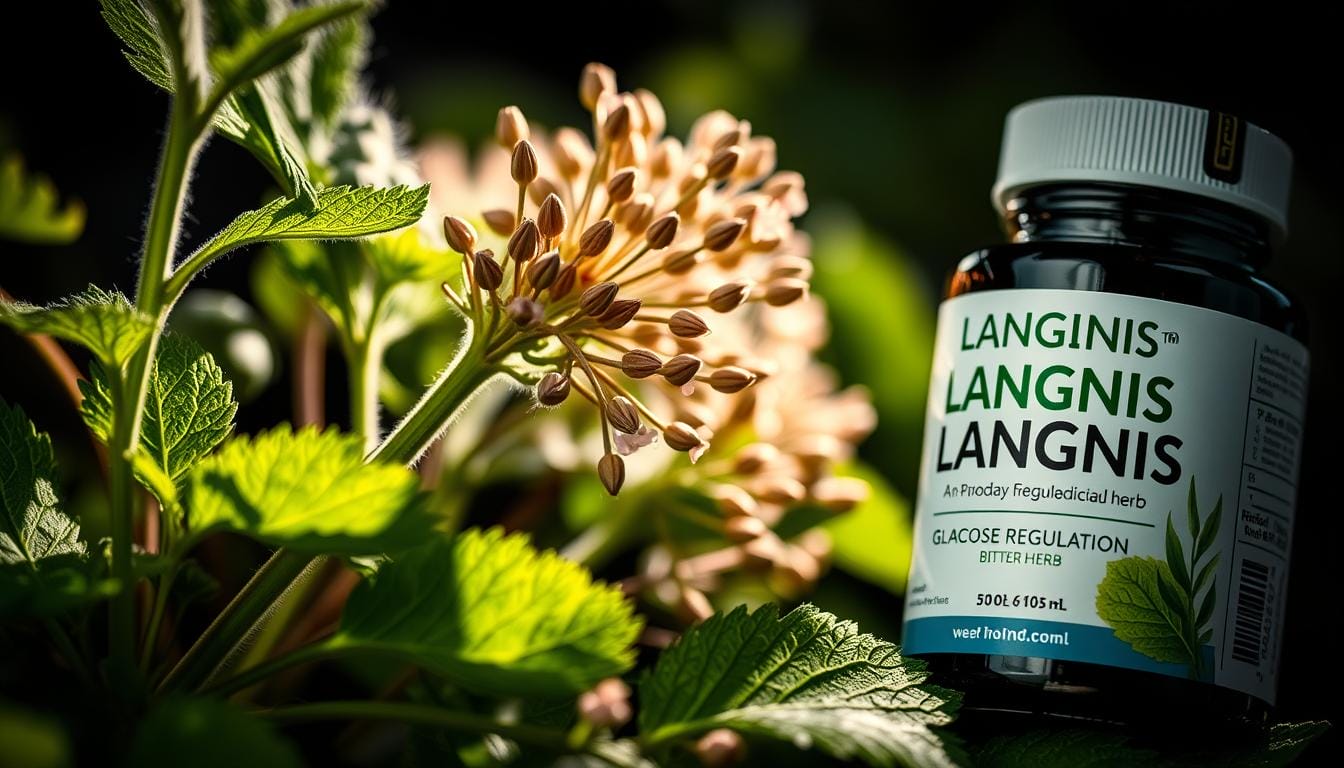
In Thailand, bitter notes in food and folk medicine make these ideas easy to test at home and in clinics. LANGNIS is a premium, legal herbal blend made from Pule, Sambiloto, and Duwet extracts. Advanced processing boosts absorption so it may act faster to support healthy sugar levels.
This short guide will map core mechanisms, review clinical evidence, highlight bitter melon and related extracts, and show how quality products differ from unverified mixes. It also stresses that natural options complement medical care — always consult a clinician before changing treatment.
List of contents:
- Why Bitter Herbs Matter for Diabetes Management today
- The Science of Bitter Herbs in Regulating Blood Sugar
- TCM Perspective: Bitter-Cold Properties and Glycemic Control
- Mechanisms that Regulate Blood Glucose: A Deep Dive
- Clinical and Preclinical Evidence behind Bitter Herbal Extracts
- Spotlight on Bitter Melon (Momordica charantia): A Model Bitter Herb
- Meet LANGNIS: A Premium Bitter-Herb Blend for Blood Sugar Support
- LANGNIS Composition and Roles of Each Extract
- Advanced Processing for Better Absorption and Faster Action
- Insulin Secretion and Beta Cells: What Research Shows
- Glucose Absorption and the Gut: α-Glucosidase and Beyond
- Glucose Metabolism and Lipids: The Metabolic Link
- Safety, Side Effects, and Quality Considerations
- Thailand Context: Diet, Lifestyle, and Bitter-Herb Traditions
- Research Landscape and How to Read It Today
- Conclusion
- FAQ
- How do bitter herbs like Momordica charantia help with type 2 diabetes?
- Are there clear clinical trials supporting bitter-melon or other extracts for blood glucose control?
- What mechanisms drive glucose benefits from these plants?
- Can bitter-herb blends interact with prescription diabetes medications?
- How should consumers evaluate product quality and dosing?
- Are there safety concerns or side effects with bitter herbs?
- How quickly can someone expect changes in blood glucose after starting a bitter-herb supplement?
- What role does traditional medicine, like TCM, play in current use of bitter-cold herbs?
- Can bitter herbs help with weight and lipid issues common in metabolic syndrome?
- How do researchers find reliable studies on these herbs?
- Related posts:
- Find the Finest Herbal Medicine for Diabetes in Cebu City
- Exploring Herbal Formulas for Long-Term Diabetes Prevention
- Beyond Blood Sugar: The Emotional Toll of Living with Diabetes
Key Takeaways
- Bitter compounds can modulate insulin pathways and lower blood glucose.
- Clinical reviews show modest HbA1c and glucose benefits for some extracts.
- LANGNIS combines proven tropical extracts for faster absorption and support.
- Use herbs as an adjunct to care; consult health professionals first.
- Quality, safety, and sourcing matter when choosing herbal treatment.
Why Bitter Herbs Matter for Diabetes Management today
Herbal tradition and lab research now meet around shared targets for metabolic health. TCM long used bitter-cold plants to clear excess heat and dampness linked to Xiaoke, a syndrome comparable to modern diabetes mellitus.
From traditional knowledge to modern biomedicine
Historical use pointed clinicians toward herbs with cooling, bitter properties. Modern research finds those same botanicals contain alkaloids, glycosides, and saponins that affect insulin signaling and glucose transport.
Linking bitterness to glucose homeostasis
Trials and reviews report modest HbA1c and fasting glucose benefits. Mechanisms include improved insulin sensitivity, β-cell protection, lowered hepatic enzymes like PEPCK and G6P, and α-glucosidase inhibition that blunts post-meal spikes.
- Multi-target functions suit complex type 2 diabetes better than single-target medicine.
- Bitter compounds often signal active metabolic compounds with measurable effects.
- In high-refined-carb diets, these herbs can help smooth blood glucose swings.
- LANGNIS pairs this traditional bitter profile with modern extraction for faster absorption and consistent support.
See bitterness not as a flavor problem but as a functional cue — a link from heritage to validated metabolic regulation.
The Science of Bitter Herbs in Regulating Blood Sugar
Researchers map bitter-cold plant compounds to specific insulin and energy-sensing routes inside cells. This section summarizes how those activities tune metabolism and why that matters for type diabetes mellitus.
Core pathways: insulin, glucose, and cellular targets
Bitter extracts upregulate insulin receptor signaling via PKC-dependent steps that feed into PI3K/AKT and AMPK. Activation of AMPK boosts GLUT-4 translocation, so peripheral tissues clear more glucose quickly.
What “bitter and cold” means in pharmacology
In pharmacology, bitter-cold denotes anti-inflammatory, antioxidant, and enzyme-modulating properties. These actions lower hepatic PEPCK and G6P expression and modulate GSK-3β to reduce gluconeogenesis.
Present-day relevance for type 2 diabetes mellitus
Combined effects—α-glucosidase inhibition, improved insulin signaling, and enhanced peripheral uptake—target insulin resistance seen in type 2 cases. Multi-compound extracts provide complementary tissue actions, but dose, extract standardization, and formulation affect outcomes.
“Quality processing and delivery matter: faster absorption can match traditional theory with measurable metabolic effects.”
- Insulin pathway support (PI3K/AKT, AMPK)
- Hepatic enzyme downregulation (PEPCK, G6P)
- Slowed carbohydrate digestion (α-glucosidase)
LANGNIS translates bitter-cold theory into a modern blend designed for efficient absorption and faster support in practical type 2 scenarios.
TCM Perspective: Bitter-Cold Properties and Glycemic Control
Yin-yang balance frames how practitioners view excess heat and metabolism. Bitter-cold herbs are classically used to clear internal heat and drain fire that arises after overeating or inactivity. This approach maps well to modern patterns of insulin resistance and obesity-driven type 2 diabetes.
Yin-Yang, heat-clearing, and “Xiaoke” insights
Xiaoke describes “three excesses and one loss”: excess thirst, hunger, urination, and weight loss. Many contemporary patients show early signs without full-blown loss. TCM now often reads these as spleen-warm (Pi Dan) states tied to dietary excess and damp-heat.
Modern reinterpretation for obesity-driven T2DM
Clear heat and dry dampness strategies translate to measurable outcomes. Bitter-cold actions can downregulate inflammatory mediators and reduce hepatic overproduction linked to fasting glucose and HbA1c rises.
- Bridge to biomarkers: link TCM patterns to fasting glucose, HbA1c, and lipids for clear patient targets.
- Clinical fit: bitter-cold herbs suit obesity-driven metabolic disturbance and mixed glucose–lipid effects.
- Quality matters: LANGNIS aligns with bitter-cold principles, using premium, legal sourcing and modern extraction for better absorption.
Integrative care honors tradition while using evidence-based markers to personalize treatment.
Mechanisms that Regulate Blood Glucose: A Deep Dive
Plant extracts act across organs and cells to balance fasting and post-meal levels. A mix of receptor, enzyme, and transport changes explains how botanical blends can influence clinical markers like HbA1c and fasting glucose.
Improving insulin sensitivity and beta-cell function
Some alkaloids and glycosides upregulate insulin receptor signaling and improve stimulus–secretion coupling in pancreatic beta cells. For example, berberine (BBR) boosts receptor pathways and geniposide enhances p-Akt activity that supports secretion.
Clinical relevance: better receptor signaling can lower fasting glucose and support durable insulin action without higher drug doses.
Hepatic glucose metabolism: GSK-3β, PEPCK, and G6P
Herbal compounds can suppress gluconeogenesis by downregulating PEPCK and G6P, while inhibiting GSK-3β promotes glycogen production. BBR and related extracts also modulate hepatic glucokinase to shift production toward storage.
Peripheral uptake via GLUT-4, PI3K, AMPK
Activation of PI3K/AKT and AMPK increases GLUT-4 translocation to muscle and fat cell membranes. Emodin and bitter melon saponins are examples that raise peripheral uptake and support fatty acid oxidation.
Reducing intestinal glucose absorption (α-glucosidase)
Mulberry leaf and Anemarrhena show α-glucosidase inhibition, slowing carbohydrate breakdown and blunting postprandial spikes—an effect similar to acarbose but botanical in origin.
- Anti-inflammatory and antioxidant activities reduce CRP, IL-6, TNF-α and oxidative markers, helping insulin sensitivity.
- Multi-target synergy means fasting and post-meal profiles can both improve when mechanisms combine.
- LANGNIS pairs these botanicals with advanced processing for faster absorption and more consistent function.
“Standardized, well-absorbed formulations magnify mechanistic benefits and translate actions into measurable patient endpoints.”
Clinical and Preclinical Evidence behind Bitter Herbal Extracts
Modern trials and lab studies now connect selected tropical extracts to real changes in metabolic health. This section summarizes randomized trials, animal work, and how those findings guide practical use in Thailand.
Highlights from randomized and controlled trials
Randomized controlled trials report HbA1c drops of about 1.18–1.67% for formulas with bitter-cold plants. Berberine trials showed a fall from 7.5 ± 1.0 to 6.6 ± 0.7 and improved lipids.
Many peer-reviewed research and review articles note favorable tolerability and fewer GI or hepatic signals than some drug comparators. Readers can check DOIs and use Google Scholar to read full trials and meta-analysis.
Animal studies that map mechanisms to outcomes
Preclinical models replicate human endpoints. Animals show better fasting levels, raised hepatic glycogen, and improved insulin sensitivity.
Mechanism-linked findings include higher p-Akt and p-GSK-3β, lower PEPCK/G6P, and α-glucosidase inhibition. Bitter melon extracts raised GLUT-4 expression, protected beta cells, and helped clear glucose.
“Multi-target effects across models support consistent metabolic benefits, but quality and formulation drive real-world results.”
- Key RCT outcomes: clinically meaningful HbA1c reductions, some rivaling standard agents.
- Safety: generally favorable tolerability versus some pharmaceuticals.
- Animal alignment: fasting glucose, lipids, and insulin sensitivity improved in models.
- How to verify: search Google Scholar for trial authors and DOI references to review primary articles and analysis.
Positioning LANGNIS: LANGNIS aims to sit within this evidence-based landscape as a premium, well-sourced blend. Controlled extraction and quality checks seek to reduce variability seen across products. For best results, combine evidence-informed herbs with diet, activity, and clinician guidance.
Spotlight on Bitter Melon (Momordica charantia): A Model Bitter Herb
Bitter melon (Momordica charantia) is a well-studied tropical plant used across Southeast Asian medicine and TCM.
Its mix of saponins, polysaccharides, and charantin gives clear biochemical activity linked to glucose control.
Key bioactives and metabolic actions
Charantin and saponins help improve insulin sensitivity and boost GLUT‑4 responses in muscle.
AMPK activation and PPARγ upregulation support better glucose and lipid metabolism.
Enzyme inhibition and gut support
Bitter melon inhibits α‑glucosidase and amylase, which lowers postprandial glucose spikes and slows absorption.
Polysaccharides may also favorably shift gut microbes linked to metabolic flexibility.
Bench data and formulation logic
In hyperglycemic rats, 300 mg/kg whole fruit cut glucose by about 31.64% and raised insulin by 27.35%, showing meaningful effects.
Use Momordica charantia as a reference when evaluating blends: its multi‑target profile mirrors how modern formulas like LANGNIS combine complementary extracts.
“A multi-compound herb that acts on secretion, sensitivity, enzymes, and gut balance makes a strong model for botanical medicine.”
Meet LANGNIS: A Premium Bitter-Herb Blend for Blood Sugar Support
LANGNIS blends time-tested tropical botanicals with modern extraction to offer a consistent, legally produced option for adults seeking complementary support for glucose control.
What it is: natural, legal, and made for fast absorption
LANGNIS is a genuine, premium-grade herbal medicine formulated from Pule, Sambiloto, and Duwet. Advanced processing increases bioavailability, so active compounds reach target tissues faster.
How bitter herb findings inform this formulation
Formulation choices follow research on multi-target action: insulin pathways, hepatic enzyme regulation, peripheral uptake, and α-glucosidase inhibition. Those mechanisms guide extract ratios and delivery methods to improve effects on fasting and post-meal levels.
“Premium sourcing and standardization reduce variability and help translate botanical properties into predictable outcomes.”
LANGNIS is meant as a complementary treatment to diet, activity, and medical care. Adults who want herbal support for blood sugar may consider it, but should monitor glucose and consult a clinician before changing therapy.
- Natural, legal blend with standardized extracts.
- Faster absorption via advanced processing.
- Transparent sourcing and quality controls to limit batch variation.
LANGNIS Composition and Roles of Each Extract
LANGNIS blends specific cortexes, herb, and seed to offer balanced metabolic support. Each ingredient was chosen for complementary actions on hepatic function, peripheral uptake, and intestinal processing.

Pulasari and Pulai cortexes: traditional bitter-cold support
Composition per serving: Alyxiae Renwardtii Cortex (Pulasari) 800 mg; Alstoniae Scholatidis Cortex (Pulai) 1200 mg; Andrographis paniculata Herba (Sambiloto) 800 mg; Syzygium cumini Semen (Bij/Duwet) 200 mg.
Pulasari and Pulai are classic bitter-cold cortexes used to clear internal heat and steady metabolic balance. Their traditional properties align with reduced hepatic overproduction and calmer energy handling.
Sambiloto: insulin pathways and immunity
Sambiloto provides andrographolides and related compounds studied for immune modulation and potential impacts on insulin signaling. These bioactives can lower inflammation and support better receptor responses and secretion dynamics at cell level.
Duwet/Bij seed: glucose and lipid modulation
Syzygium cumini seed has a history of use for glucose control and shows emerging evidence for lipid benefits. In blends it can help blunt post-meal spikes and support healthier fasting levels.
- Mechanistic links: cortexes → hepatic modulation; Sambiloto → peripheral uptake and anti‑inflammatory effects; Bij seed → intestinal enzyme and lipid effects.
- Formulation balances dose for efficacy and tolerability, with premium, legal sourcing and batch testing to ensure consistent active profiles.
- Track response and consult a clinician before changing medications or starting treatment.
Advanced Processing for Better Absorption and Faster Action
Good herbs need good delivery. Improving how much active compound reaches liver, muscle, and gut is often the key difference between promising lab data and real benefits in people. Modern research shows that optimized extracts can raise plasma availability and shorten time to effect.
Why bioavailability matters for antidiabetic activity
Bioavailability determines how much active molecule reaches target tissues. If absorption is low, promising cellular activities stay trapped and show little clinical effect.
Advanced processing can improve dissolution, permeability, and stability of bitter compounds. That boosts absorption and helps the body get consistent levels for multi-target actions.
- Better absorption links to faster perceived support for post-meal glucose control and α-glucosidase activity.
- Consistent plasma levels improve reproducibility of combined effects on liver, muscle, and intestine.
- Quality controls verify uniform content, release profiles, and compliance with safety standards.
LANGNIS uses modern extraction and formulation to enhance uptake so adults may see quicker, steadier support when used alongside diet, activity, and clinical care.
Pair dosing with glucose monitoring to observe response. Improved absorption does not change natural origin; it refines delivery so a practical, well-tolerated dose can work as part of a balanced treatment plan in medicine.
Insulin Secretion and Beta Cells: What Research Shows
Lab studies show several tropical extracts help islets respond better when glucose rises, rather than forcing constant release.
Multiple studies report that select bitter-cold plants both protect beta cells and boost insulin secretion in high-glucose settings. Histologic findings include preserved islet morphology, stronger insulin staining, and less cell loss after treatment.
Reduced oxidative stress and lower inflammatory markers appear central to these effects. When cells face less damage, insulin production and secretory functions recover more readily.
How pathways and practical outcomes link
Activation of AMPK and improved energy balance in beta cell mitochondria help maintain function. At the same time, multi-target actions that improve peripheral glucose uptake and cut hepatic overproduction lower beta-cell workload.
- Context-dependent stimulation: secretion rises when glucose is high, lowering hypoglycemia risk.
- Model data: bitter melon shows clearer beta-cell support and better insulin sensitivity.
- Clinical relevance: steadier fasting levels and improved post-meal control are typical outcomes.
Premium blends like LANGNIS aim to support healthy insulin dynamics through targeted extracts and faster absorption — not to force secretion indiscriminately.
Monitor glucose and consult a clinician if you use insulin or secretagogues. Careful tracking helps blend benefits fit safely into diabetes care plans.
Glucose Absorption and the Gut: α-Glucosidase and Beyond
Control at the gut level can blunt sharp rises after a meal and ease demand on insulin.
α‑Glucosidase is a key enzyme that breaks starch and disaccharides into absorbable sugar. Inhibiting it slows how fast carbohydrates reach circulation, which helps moderate post-meal blood glucose spikes and lowers peak levels.
Enzyme inhibition to smooth post-meal spikes
Botanical extracts such as Anemarrhena show strong in vitro inhibition of α‑glucosidase. Mulberry leaf trials reduced post‑sucrose and starch excursions in humans. Berberine lowered intestinal disaccharidase activity and downregulated sucrase‑isomaltase mRNA in studies.
- Why it helps: slower digestion means smaller, delayed rises in glucose and less acute insulin demand.
- Botanical vs pharmaceutical: plant inhibitors can act like acarbose but may offer gentler tolerability for some people.
- Real-world findings: in vivo work reports reduced glucose excursions after carb meals, helping overall variability.
Gut-level activities complement systemic mechanisms such as improved peripheral uptake and hepatic regulation. Together, these actions support more even 24‑hour control of levels and insulin workload across the day.
Timing matters. Take bitter-based extracts just before or with a carb-rich meal to maximize absorption window and blunt spikes. Pairing with fiber‑rich Thai foods further slows digestion and adds synergy for smoother postprandial profiles.
Practical notes: improved enzyme dynamics may favor healthier microbiota, but some people report mild GI sensations. Start with a lower dose, adjust timing, and track post‑meal readings to personalize use. LANGNIS is designed for quicker uptake to support this critical window.
“Smoothing spikes reduces glycemic variability and helps the body respond more steadily to food.”
Glucose Metabolism and Lipids: The Metabolic Link
When glucose handling falters, lipid disturbances often follow—treating both together can break a harmful cycle.
Insulin resistance drives higher free fatty acids, which worsen glucose metabolism and raise triglyceride and LDL levels. This two-way relationship helps explain why many people with type 2 patterns also show dyslipidemia.

Managing dyslipidemia alongside blood glucose
Clinical and preclinical data show several botanical compounds improve both targets. Berberine lowers multiple fatty acids and improves lipid panels. Emodin reduces TG, TC, and LDL‑C in models. Bitter melon extracts cut glucose while trimming TC and TG.
At the cellular level, AMPK activation links glucose disposal to lipid oxidation. When AMPK rises, muscle takes up more glucose and the liver burns more fat, which helps insulin action and reduces hepatic fat.
“Better lipid profiles often feed back to improve insulin sensitivity, creating a beneficial metabolic cycle.”
- Dual benefits: compounds that lower glucose often improve lipids, easing metabolic burden.
- Potential liver gains: hepatic enzyme modulation can help non‑alcoholic fatty liver markers.
- Multi‑target support suits metabolic syndrome patterns common in Thailand.
Practical advice: combine a premium, consistent formulation like LANGNIS with Thai‑style diet shifts (less refined sugar, more fiber) and regular activity.
Track progress with periodic lipid panels and standard glucose monitoring to judge real‑world effects. Consistent delivery of active compounds matters: steady plasma levels help translate biochemical actions into measurable clinical improvement.
Safety, Side Effects, and Quality Considerations
Good guidance helps people use botanical support without surprise reactions. Know common effects and how premium sourcing and testing reduce risk. Clinical reports show fewer GI and hepatic signals for some formulas compared with some drug options, but mild stomach sensations can occur.
Bitter herbs versus common drug adverse events
Typical drug side effects include GI upset and potential liver or kidney stress. By contrast, many botanical blends report generally favorable tolerability in trials and review articles.
Berberine is usually well tolerated; minor GI effects are most common. Some rhubarb data suggest renal‑protective effects in specific settings, but careful dosing matters.
Quality controls—standardization, batch testing, and transparent labeling—cut contamination and variability. Legal, premium products list exact composition, suggested use, and testing data such as DOI-linked articles for reference.
“Start with recommended doses and monitor glucose when combining with other treatments.”
- Compare adverse profiles: many botanicals show fewer severe events than some pharmaceuticals.
- Watch for interactions with prescription medicine; consult clinicians and authors of any trial or review before changes.
- LANGNIS is legal, premium, 100% genuine herbs with advanced processing and clear labeling.
Thailand Context: Diet, Lifestyle, and Bitter-Herb Traditions
Thai meals often blend sharp, bitter greens with sweet elements, creating a natural test bed for herbs that affect metabolism. This culinary habit makes it easy to add targeted support without major change.
Modern shifts toward refined sugar and less movement have raised type 2 diabetes rates. Rising obesity drives worse glucose and blood levels across communities.
Practical fit: using bitter-based extracts alongside diet helps blunt post-meal spikes, especially with rice-centered plates. Pairing a dose before a carb meal can leverage α‑glucosidase effects and slow absorption.
- Thai acceptance of traditional medicine improves adherence to herbal routines.
- Simple activity—walking after meals or market errands—boosts insulin sensitivity.
- Monitor readings and adjust timing to match local staples and personal response.
Quality matters: premium, standardized products such as LANGNIS offer more consistent effects than kitchen-only intake. Learn to read labels and verify legal sourcing, and work with local clinicians to blend tradition with safe, evidence-informed care.
Research Landscape and How to Read It Today
Quality checks and clear citations make it easier to separate solid trials from noise when reading herbal research. Start with broad overviews, then dive into primary trials and meta-analyses to judge real-world relevance.
Using Google Scholar, DOIs, and reviews effectively
Use google scholar to find peer-reviewed reviews and randomized controlled trials. Enter simple queries like “Momordica charantia randomized trial review” to surface key articles and authors.
Click DOIs to reach authoritative versions and citation trails. A DOI links an article to its publisher page, supplementary data, and related analyses.
- Search tips: sort by date, then by citations to find influential reviews and new trials.
- Check reviews: look for meta-analyses that pool HbA1c and postprandial outcomes for clearer effect sizes.
- Note authors: repeated author names and bibliometric analysis often signal active, credible groups.
From bench to body: translating articles into practice
Appraise each article by design, sample size, endpoints (HbA1c, fasting/postprandial), and reported adverse events. Small animal studies guide mechanisms but need human RCTs for treatment claims.
Check extract standardization, dose form, and duration. If a trial used a high-dose, purified extract, a kitchen herb or loose blend may not match results.
“Meta-analyses and bibliometric reviews help spot trends, but dosage and formulation drive real outcomes.”
Practical steps: set alerts on google scholar for key topics, save DOI links, and keep a short log of glucose readings when testing an evidence-based product like LANGNIS alongside diet and activity.
Discuss findings with a clinician before changing therapy. Ongoing research will refine best practices, so update your reading and remain cautious when translating articles into personal care.
Conclusion
The Science of Bitter Herbs in Regulating Blood Sugar frames how multi‑target botanicals support diabetes care through insulin pathways, hepatic control, peripheral uptake, and gut enzyme inhibition.
LANGNIS is a premium, legal, fast‑absorbing blend that applies these principles. Clinical signals include meaningful HbA1c and postprandial improvements with good tolerability.
Faster absorption helps active compounds reach targets sooner, so practical effects may appear quicker when used with diet, activity, sleep, and stress management.
Monitor glucose regularly and partner with a clinician for safe integration with existing treatment. For research tips and DOI searches, see Section 16.
With careful choices, tradition plus modern formulation can make bitter better for healthier glucose and steady blood levels.
FAQ
How do bitter herbs like Momordica charantia help with type 2 diabetes?
Bitter herbs contain compounds — for example charantin, saponins, and polysaccharides — that can improve insulin secretion, increase insulin sensitivity, activate AMPK, and reduce intestinal glucose absorption. These combined actions help lower fasting and post-meal blood glucose in many preclinical studies and several clinical trials.
Are there clear clinical trials supporting bitter-melon or other extracts for blood glucose control?
Yes. Randomized and controlled trials plus systematic reviews report modest glucose-lowering effects for bitter melon and select bitter-herb extracts. Results vary by dose, extract quality, and study design, so benefits are often described as supportive rather than replacement therapy for standard antidiabetic drugs.
What mechanisms drive glucose benefits from these plants?
Key mechanisms include enhanced beta-cell insulin release, protection of beta-cell mass, upregulation of GLUT‑4 mediated peripheral uptake, activation of PI3K/AMPK pathways, inhibition of hepatic gluconeogenic enzymes like PEPCK and G6P, and inhibition of α‑glucosidase in the gut to blunt postprandial spikes.
Can bitter-herb blends interact with prescription diabetes medications?
Yes. Because these herbs can lower glucose and modulate insulin action, they may increase hypoglycemia risk when combined with insulin or sulfonylureas. Always check with an endocrinologist or pharmacist before starting herbal supplements alongside prescribed drugs.
How should consumers evaluate product quality and dosing?
Look for transparent sourcing, standardized extracts (with stated active marker levels), third‑party testing, and clear dosing instructions. Premium products often use advanced extraction for higher bioavailability and provide batch-specific certificates of analysis or DOIs to linked studies.
Are there safety concerns or side effects with bitter herbs?
Common side effects include mild gastrointestinal upset, nausea, or altered taste. In high doses some extracts may affect liver enzymes or cause hypoglycemia. Pregnant or breastfeeding people should avoid concentrated extracts unless advised by a clinician.
How quickly can someone expect changes in blood glucose after starting a bitter-herb supplement?
Time to effect varies. Some studies report improvements in weeks for fasting glucose, while postprandial reductions may appear sooner if α‑glucosidase activity is inhibited. Individual response depends on baseline control, concurrent medications, and product bioavailability.
What role does traditional medicine, like TCM, play in current use of bitter-cold herbs?
Traditional frameworks describe bitter-cold herbs as heat‑clearing and yin‑supporting, concepts that map to modern actions such as reducing inflammation, improving metabolic balance, and targeting hyperglycemia. Researchers now often reinterpret these properties in molecular and clinical terms.
Can bitter herbs help with weight and lipid issues common in metabolic syndrome?
Several extracts show favorable effects on lipid profiles and may modestly reduce weight or visceral fat through improved insulin sensitivity and AMPK activation. These benefits support overall metabolic health but work best with diet and exercise.
How do researchers find reliable studies on these herbs?
Use databases like Google Scholar, PubMed, and Scopus, check DOIs, read systematic reviews and randomized controlled trials, and evaluate study quality — sample size, controls, blinding, and extract standardization — before applying findings to practice.