Can old plant wisdom really change how we manage blood sugar today? This article opens that question with calm curiosity. It looks at how Indigenous knowledge about medicine and plants has long helped people keep better health and ease diabetes symptoms.
We use case studies that track patient choices, access to care, and system design. These examples show how traditional medicine worked alongside clinics to improve outcomes in real settings. Readers in the Philippines will find local lessons and practical steps for safer integration.
Langnis is introduced as a premium herbal medicine example. It combines Pulasari, Pulai, Sambiloto, and Duwet with advanced absorption to support quicker blood sugar control. This piece balances promise with caution, urging collaboration between doctors and community workers to protect people and preserve culture.
List of contents:
- Context: How Indigenous Herbal Medicine Has Shaped Diabetes Care in the Past
- Case Study Lens: Why People Turned to Traditional Medicine for Diabetes Management
- The Role of Traditional Herbs in Indigenous Diabetes Healing Practices
- Global Integration Example: DPR Korea’s Koryo Medicine Within a National Health System
- Traditional Medicines for Diabetes: Evidence from Northern Tanzania
- Indigenous Practice Methods: Preparations, Materials, and Application Forms
- From Ancient Wisdom to Modern Science: Standardization and Research
- Introducing Langnis: A Natural Herbal Option for Diabetes Symptom Relief
- Inside Langnis: Composition and Plant Sources
- Mechanisms and Effects: How Pule, Sambiloto, and Duwet Are Traditionally Used
- Patients, Practitioners, and Health Services: Coordinating Care Paths
- Safety, Education, and Regulation in Herbal Medicine Use
- Application to the Philippines: Access, Community Practices, and Patient Education
- Case Study Synthesis: What Past Systems Teach About Diabetes Management Today
- Research and Development Priorities for Traditional Diabetes Care
- Conclusion
- FAQ
- What kinds of herbal preparations do indigenous practitioners use for blood sugar support?
- Why do people in some communities prefer traditional medicine for diabetes management?
- Are there plants with documented benefits for glycemic control?
- How do integrated health systems regulate and train traditional practitioners?
- Can patients safely use herbal remedies alongside prescribed diabetes drugs?
- What safety and quality measures apply to herbal diabetes products?
- How has research from places like northern Tanzania informed our understanding of traditional medicine use?
- What steps are needed to integrate herbal remedies into mainstream diabetes care safely?
- How do product formulations affect herb effectiveness and absorption?
- What role do community education and culturally sensitive counseling play in herbal use?
- Are there commercially available herbal options developed with modern standards?
- How can patients evaluate the credibility of an herbal diabetes product?
- What research areas remain most urgent for herbal diabetes care?
- Related posts:
- Integrating Herbal Remedies with Lifestyle Changes for Diabetes Control
- Top Herbal Remedies for Lowering Blood Sugar
- Effective Home Remedy For High Sugar Control
Key Takeaways
- Indigenous plant knowledge has long supported community health and diabetes symptom relief.
- Case studies reveal how traditional care can complement clinical services.
- Langnis shows how quality herbs and tech can aid faster support for blood sugar control.
- Doctors and health workers can guide safe, culturally aware herbal use.
- Systems-level lessons help expand access while keeping safety and standards.
Context: How Indigenous Herbal Medicine Has Shaped Diabetes Care in the Past
Across Africa and other regions, plant-based care has guided communities for many years. Oral teaching, initiation rites, and daily practice passed knowledge about leaves, bark, roots, and seeds from elders to new healers.
Over long stretches, simple methods — decoctions, infusions, tinctures — became organized into local systems. These systems combined spiritual, social, and physical approaches so treatment addressed body and community.
Variations in preparation and dosage came from diverse areas. That led to different effects across population groups and shaped which remedies people trusted for chronic conditions like diabetes.
- Traditional medicine filled care gaps where hospitals were scarce.
- Healers, elders, and community networks served as a living source of practical knowledge.
- Years of use influenced perceptions of safety and effectiveness.
Today, many still choose familiar decoctions and infusions as part of daily care. Thoughtful integration with modern system requirements can honor culture while improving safety and outcomes.
Case Study Lens: Why People Turned to Traditional Medicine for Diabetes Management
Large numbers of adults with diabetes turned to familiar herbal care for practical reasons. In Northern Tanzania, 77.1% of adults reported using traditional medicine, and 37.6% used these remedies alongside biomedical drugs.
Access, affordability, and beliefs: patient-centered reasons
Perceived effectiveness led 79.6% to choose traditional options. Many valued easier access (59.1%) and lower cost (55.2%).
Religion and custom also mattered: 42.0% reported alignment with beliefs, and 39.5% felt herbs were safe. These motives shaped how people picked care.
How patients blend paths and rely on community advisers
Patients often mixed treatment paths. Some visited medical doctors while consulting elders, herbal vendors, pharmacists, or healers.
That network influenced what medicines were used and when. It also created coordination challenges that call for clearer communication and education.
Common conditions and daily practices
Beyond diabetes, herbs were used for malaria-like fevers, chronic pain, neurologic complaints, and reproductive issues. Preparations were simple — mixed into water, tea, soup, or milk — so they fit daily routines.
These patterns are familiar in the Philippines, where people also balance clinical advice and community wisdom. Later sections will address safety and better integration to guide informed choices.
The Role of Traditional Herbs in Indigenous Diabetes Healing Practices
Many communities rely on plant-based routines to prevent illness and ease daily symptoms. Herbal medicine supports appetite control, calms inflammation, and aids general wellness. People often include these practices alongside clinic care to meet daily needs.
Common parts and methods
Healers use roots, bark, leaves, and seeds. Common methods include decoctions, infusions, and tinctures, each changing how medicine absorbs and how fast effects appear.
Choosing a form and application
Oral forms fit routine—tea with meals helps adherence. Topical forms treat skin and peripheral discomforts. Liniments, poultices, and lotions ease soreness close to the surface.
Mixing, consistency, and community knowledge
Traditional medicines often combine plants to balance bitterness and potency. Small changes in part or method can alter outcomes, so consistency matters. Use and treatment choices usually reflect community experience and personal preference.
- Practical advantage: affordable, accessible care.
- Support: fits daily life, improving adherence.
- Need: variability calls for education and safe guidelines.
Global Integration Example: DPR Korea’s Koryo Medicine Within a National Health System
North Korea offers a clear model where two medical systems operate side by side under one national plan. Nearly 70% of the population uses Koryo traditional medicine at primary level, with 40–60% at county and 30–40% at central levels.
Training, licensing, and practitioner roles
All practitioners train in both streams and hold licenses to practice them. This creates an integrated workforce able to offer holistic care, make referrals, and lead community outreach.
Levels of care and household doctors
Household doctors cover about 135 homes. They provide clinic hours, home visits, and referrals up to county, provincial, or central Koryo hospitals. This layered design keeps services continuous across remote areas.
Safety, regulation, and supply
Herbal medicine follows the same safety and quality rules as pharmaceuticals: labeling, prescription categories, and inspections. There are 671 registered products; 28 appear on the essential drugs list. A network of 210 factories and 160 sourcing centers supports supply and trust.
- Coordinated system: blends services to expand health care access.
- Skilled practitioners: bridge clinical and plant-based management.
- Quality controls: align herbal medicine with modern standards.
Lesson for the Philippines: a clear system, strong training, and reliable supply chains can guide safe integration while honoring local context.
Traditional Medicines for Diabetes: Evidence from Northern Tanzania
A community survey in Northern Tanzania offers clear numbers on how people mix plant care and clinic drugs for blood sugar issues.
Prevalence and concurrent use. Among 481 adults, 45 (9.4%) had diabetes. Of those with diabetes, 77.1% reported using traditional medicine and 37.6% used it alongside biomedical medicines. This pattern shows common parallel medicine use across the population.
Why people choose plant-based care
Patients gave concrete reasons: 79.6% said it was more effective, 59.1% cited easier access, and 55.2% noted lower cost. Cultural or religious reasons (42.0%) and perceived safety (39.5%) also shaped choices.
Plants, preparations, and reported effects
Commonly cited plants include Moringa oleifera, Cymbopogon citrullus, and Hagenia abyssinica. Other materials with potential glucose-lowering effects are Aloe vera, Clausena anisata, Cajanus cajan, Artemisia afra, and Persea americana.
- Modes: mixed in water, tea, soup, or milk — easy to use at home.
- Sources: medical doctors, healers, elders, family, and herbal vendors advise patients.
- Implication: simple home use helps adherence but limits dosage standardization and management.
Practical note: Clinicians in the Philippines can ask about traditional medicine use without judgment. Such questions improve safety and coordination across health systems while honoring community practice.
Indigenous Practice Methods: Preparations, Materials, and Application Forms
Local caretakers use clear, repeatable methods to turn plants into usable medicine. Decoctions and infusions are common methods for extracting soluble compounds. Decoctions boil hard materials like roots or bark to pull out active constituents. Infusions steep leaves or flowers in hot or cold water for gentler extraction.
Tinctures and concentrated extractions use alcohol or glycerin to preserve and intensify active components. Process control matters: consistent time, temperature, and solvent improve dose reliability and reduce toxicity risks.
Topical forms—liniments, lotions, and poultices—target skin comfort and localized sores that can accompany long-term illness. Inhalation, steaming, snuffs, and smoking offer respiratory support or fast absorption through mucous membranes.
- Materials and form: choice of plant part affects potency and bioavailability.
- Combining plants: mixes aim for synergy but need careful documentation.
- Hygiene: clean water, utensils, and storage lower contamination risks.
Recording methods and materials helps health workers reproduce safe practice. Modern process improvements can preserve cultural practices while improving uniformity and health outcomes.
From Ancient Wisdom to Modern Science: Standardization and Research
Research labs now bridge centuries-old remedies and modern quality controls to make herbal care safer and more reliable.
Academy-led development sets clear extract manufacturing steps. DPR Korea’s Academy of Koryo Medical Science and 28 research centers define how materials are processed, improving consistency and dosage formulation across the system.
Those protocols turn years of local methods into system-wide guidelines. The Ministry of Public Health issues treatment guidance so clinics and hospitals follow unified rules for traditional medicine use.
- Standard processes boost safety and make effects more predictable.
- Quality checks mirror pharmaceutical standards, building trust among patients and practitioners.
- Research targets diabetes, cardiovascular, and respiratory care to meet public health goals.
Result: harmonized production and clinical guidance help systems deliver steady care from community clinics to central hospitals. For the Philippines, local academies and DOH partnerships can adapt these steps.
“Systematic research turns lived knowledge into validated, usable medicine.”
Introducing Langnis: A Natural Herbal Option for Diabetes Symptom Relief
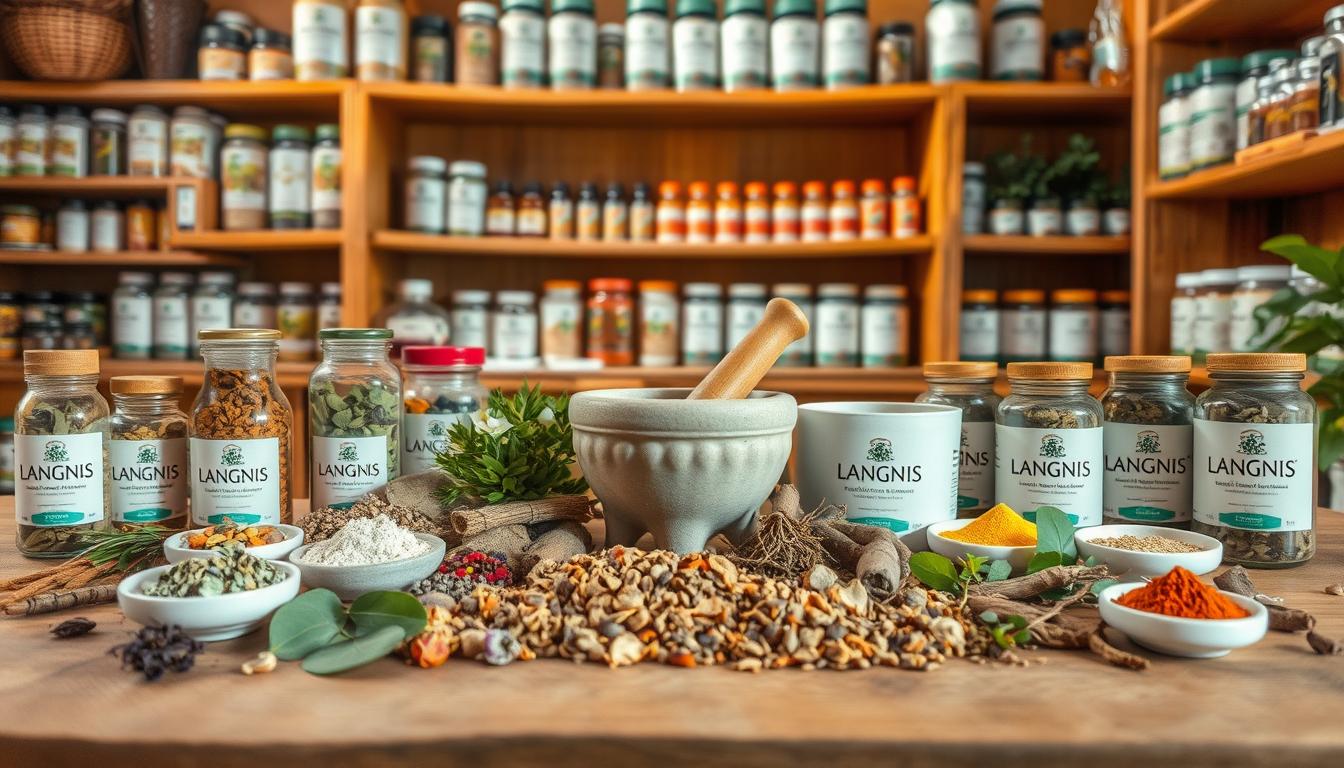
Langnis blends time-honored plant extracts with modern processing to support people managing blood sugar symptoms. It is presented as a premium, legal product made from 100% genuine herbs.

Langnis combines Pule (Pulai), Sambiloto, and Duwet extracts. Each ingredient is chosen to align with traditional medicine while meeting modern quality expectations.
Advanced absorption technology helps plant constituents enter the body faster than simple teas or basic decoctions. That can lead to quicker, more consistent effects for symptom relief.
- Quality: 100% genuine, legal extracts and clear labeling.
- Design: formulated from used treatment practices to honor heritage and improve consistency.
- Everyday fit: easy to add to daily routines, supporting adherence.
Langnis is intended to support symptom relief, not replace prescribed care. Consult a clinician before adding any herbal medicine to an existing regimen and report all medicines you use.
Next: section 10 will list exact composition and dosages for full transparency.
Inside Langnis: Composition and Plant Sources
Here we examine each plant used in Langnis and the specific part and dose that form its formula. Clear composition helps users and clinicians make informed choices.
Alyxiae Renwardtii Cortex (Pulasari) — 800 mg
Part: bark. This material is chosen for traditional support and is processed to preserve active constituents.
Alstoniae Scholatidis Cortex (Pulai) — 1200 mg
Part: bark. Sourced from verified growers, it helps balance the formula and adds consistent profile across batches.
Andrographis paniculata Herba (Sambiloto) — 800 mg
Part: herb. Harvest timing and drying process retain key compounds that influence perceived benefits.
Syzygium cumini Semen (Biji/Duwet) — 200 mg
Part: seeds. Seed constituents differ from bark and herb, giving a complementary profile that supports a balanced preparation.
- Transparency: number and dosage per serving are labeled clearly to aid clinician dialogue.
- Quality: all materials are premium, legal herbs processed under controlled process steps.
- Form: finished medicine preserves traditional knowledge with modern quality checks.
Note: Review labels and follow directions. This transparency builds trust for medicines used in diabetes care and everyday health.
Mechanisms and Effects: How Pule, Sambiloto, and Duwet Are Traditionally Used
A. Local bark, bitter herbs, and seeds have long been used to support metabolism and steady energy.
Traditional uses and expected effects
Pulai (Pule) bark is traditionally used for general balance and wellness. Practitioners often combine it to ease digestive strain and promote steady appetite.
Sambiloto (Andrographis paniculata) is prized for its bitter profile. That bitterness links to metabolic and immune support in folk methods and used treatment routines.
Duwet (Syzygium cumini) seeds are commonly used where people seek glycemic support. Communities report its role in daily management of sugar-related conditions.
How effects may help symptom relief
These plants show antioxidant and anti-inflammatory properties in traditional accounts. Together, they may aid glucose management and reduce low-grade inflammation that worsens chronic diseases.
- Combined methods: blends and varied forms aim to balance potency and taste.
- Modern form: standardization and advanced absorption seek predictable effects and faster onset than simple decoctions.
- Topical note: some cultures apply extracts for skin comfort, though this product is oral—follow label directions.
Used treatment experience across communities shows why standardizing medicines matters for safe, repeatable results.
“Dialogue between patients and clinicians improves safety and helps monitor outcomes.”
Responsible use: consult a clinician before adding any herbal medicine, especially if you take other medicines for related conditions.
Patients, Practitioners, and Health Services: Coordinating Care Paths
Clear referral routes reduce risk when people use both clinic medicines and plant-based remedies. Care coordination means that household doctors, healers, and clinics share simple steps so that treatments stay safe and effective.
Household doctors, healers, and referral flow
Household doctors in the DPR Korea model serve about 135 homes. They provide clinic visits, home checks, and referrals to county or central hospitals. Training in both systems lets these doctors talk with traditional practitioners and allopathic teams.
When patients use herbal products alongside prescriptions, clear communication avoids harmful interactions. Document every medicine and share that list with your clinician.
- Continuity: home visits support chronic condition management.
- Safety: two-way referrals improve monitoring and outcomes.
- Trust: integrating local practice into formal services strengthens community ties.
For the Philippines, barangay health teams can adapt this model. Include family supporters, ask about follow-up plans, and promote basic education so care paths respect culture while keeping clinical standards.
Safety, Education, and Regulation in Herbal Medicine Use
Clear rules for safe herbal use let communities keep cultural practices while protecting patient welfare.

Licensing, labeling, and patient guidance
Safety starts with legal, well‑labeled products. DPR Korea treats herbal goods like pharmaceuticals: licensing, inspections, and clear categories help ensure quality.
Langnis is 100% genuine, premium, and legal. It is processed with advanced absorption tech to improve consistency and predictable effects.
What patients and clinics should expect
- Transparent labels listing ingredients, dosage, and cautions so clinicians can assess medicine combinations.
- Licensed practitioners who follow set methods and a controlled process to reduce contamination or mislabeling.
- Public education that teaches how to read labels, report side effects, and discuss herbal use during visits.
Access to safe products and trained practitioners reduces dosing errors. Routine medication reconciliation at clinic visits protects people who use both clinic drugs and plant remedies.
“Plants can be powerful; using them wisely under guidance reduces risk.”
Investing in education and regulation supports innovation while keeping public health central. Talk with your clinician before adding any new medicine and report changes in symptoms promptly.
Application to the Philippines: Access, Community Practices, and Patient Education
Barangay-led programs can make it easier for people to discuss herbal medicine with clinicians. These local efforts create safe, familiar spaces where health choices match culture and safety.
Community-led health education and culturally sensitive counseling
Start local: train barangay health workers to lead short workshops on reading labels, dose timing, and when to seek services escalation.
Ask, don’t judge: add simple traditional medicine questions into routine visits so people share their routines without fear.
- Practical access: use community health teams to bridge clinics and homes for ongoing diabetes support in urban and rural areas.
- Partnerships: LGUs, DOH, and universities can co-develop guidance on plants of local interest and pilot education materials in local languages.
- Tracking: offer simple tools for people and clinicians to document medicines and monitor responses to herbal and conventional medicine.
“Health outcomes improve when people feel heard and supported in their preferences.”
Result: respectful counseling, clear education, and better access create safer care. Pilot programs that co-create materials with communities support sustainable local development and build consumer confidence in regulated products.
Case Study Synthesis: What Past Systems Teach About Diabetes Management Today
Lessons from past systems reveal how coordinated care can better meet patient needs for long-term blood sugar management.
Blended treatment approaches—combining clinic treatment and plant-based medicine—can align with patient values and boost engagement.
Start with open dialogue. Ask about any medicine use and record a complete medication list.
Practical management steps for patients and providers
- Document medicine use and set clear glucose monitoring plans.
- Agree on escalation rules and when to seek urgent clinic review.
- Enable doctors to coordinate with traditional advisers to avoid harmful interactions.
Evidence from DPR Korea and Tanzania supports system designs that link community care with formal services. Such models improve follow-up and clarify responsibilities.
“Set realistic goals: symptom relief and quality of life, not promises of cure.”
Research and community feedback should guide development of local guidance, tools, and population-specific protocols.
Practical tools include shared medication lists, decision checklists, and referral templates for barangay teams and clinics.
Research and Development Priorities for Traditional Diabetes Care
Focused research can turn centuries of plant knowledge into clear, usable guidance for blood sugar care.
Clinical validation must include randomized trials with symptom relief and safety endpoints. Trials should measure blood sugar, side effects, and quality of life across diverse population groups in the Philippines.
Post-market safety needs active monitoring. Set up adverse event reporting, batch testing, and transparent quality assurance so medicines remain safe after approval.
Process, sourcing, and system needs
- Standardize sourcing and manufacturing process controls to ensure batch-to-batch consistency for medicine products.
- Build lab capacity for plant authentication and contaminant testing at regional level.
- Create registries to track use and outcomes across clinics, barangay centers, and hospitals.
Encourage partnerships among universities, DOH, and industry to increase number of high-quality studies with open source data. Fund mechanisms that support continuous development, community engagement, and clear guidance on dosing and contraindications.
“Open data and strong safety systems speed responsible development.”
Conclusion
Safe, informed use of plant-based options can strengthen everyday care for people with chronic conditions.
Langnis stands as a premium, legal medicine made from Pulasari, Pulai, Sambiloto, and Duwet. It uses enhanced absorption to support faster blood sugar control when added responsibly to a broader care plan.
Respect local knowledge and insist on quality standards. Coordinate any use with a clinician and record all products during visits. Community programs and system-level guidance help protect people and keep culture alive.
Commit to ongoing research, monitoring, and public education. Choose legal, well-labeled products and involve barangay teams, universities, and regulators to build safe, inclusive services.
Informed choices and coordinated care lead to safer, more satisfying health journeys for everyone.
FAQ
What kinds of herbal preparations do indigenous practitioners use for blood sugar support?
Indigenous healers commonly prepare decoctions, infusions, tinctures, and powders from roots, barks, leaves, and seeds. Decoctions (boiling tougher plant parts) extract robust compounds. Infusions steep leaves like a tea. Tinctures use alcohol for concentrated extracts. Topical forms exist but are rare for metabolic care. These methods aim to enhance absorption and tailor dosing to individual needs.
Why do people in some communities prefer traditional medicine for diabetes management?
People cite affordability, cultural trust, easier access, and long-standing beliefs in local botanicals. In many areas, herbal remedies fill gaps where clinic access or medicines are limited. Community knowledge and family traditions also shape choices, alongside perceived fewer side effects and a holistic focus on diet, lifestyle, and spirit.
Are there plants with documented benefits for glycemic control?
Several plants show activity in laboratory or small clinical studies. Examples include Andrographis paniculata (sambiloto) for metabolic modulation, Syzygium cumini (duwet/black plum) seeds for insulin-like effects, and various barks used traditionally for blood sugar balance. Evidence varies by species and preparation, and rigorous human trials remain limited.
How do integrated health systems regulate and train traditional practitioners?
Countries like the Democratic People’s Republic of Korea (Koryo medicine) include formal training, licensing, and defined referral paths. Practitioners receive education on herbal pharmacology and collaborate with allopathic providers. Quality control, product registration, and facility oversight help align traditional care with national standards.
Can patients safely use herbal remedies alongside prescribed diabetes drugs?
Concurrent use occurs frequently, but risks include herb–drug interactions and additive glucose lowering that can cause hypoglycemia. Patients should inform clinicians and pharmacists. Supervised use, dose adjustments, and blood glucose monitoring reduce risks. Safety improves when products are labeled, standardized, and sourced from reputable producers.
What safety and quality measures apply to herbal diabetes products?
Effective measures include good manufacturing practice (GMP), ingredient authentication, contamination testing, and clear labeling of doses and contraindications. Regulatory frameworks vary by country; stronger oversight features routine testing, adverse event reporting, and education for patients and providers.
How has research from places like northern Tanzania informed our understanding of traditional medicine use?
Studies there report high prevalence of traditional medicine use among people with diabetes, often alongside conventional drugs. Research identifies commonly used species and documents reported benefits and side effects. These data highlight the need for clinical validation and culturally appropriate education to improve safety and outcomes.
What steps are needed to integrate herbal remedies into mainstream diabetes care safely?
Priorities include clinical trials for efficacy and safety, standardization of extracts, practitioner training, and clear communication channels between traditional healers and biomedical clinicians. Building regulatory systems for product quality and patient education campaigns supports safer integration.
How do product formulations affect herb effectiveness and absorption?
Formulation matters: extraction solvents, particle size, and delivery technology change bioavailability. Standardized extracts and advanced delivery systems can enhance absorption and consistency. Dose form—capsule, powder, or liquid—also influences onset and patient adherence.
What role do community education and culturally sensitive counseling play in herbal use?
Community-led education improves safe use, encourages disclosure to clinicians, and supports informed choices. Culturally sensitive counseling respects beliefs while conveying risks and benefits. This approach fosters trust and better coordination between household doctors, healers, and health services.
Are there commercially available herbal options developed with modern standards?
Yes. Some brands combine traditional ingredients with standardized manufacturing and regulatory compliance. These products often highlight tested compositions, legal registration, and enhanced absorption technologies. Consumers should choose products with transparent labeling and third-party testing.
How can patients evaluate the credibility of an herbal diabetes product?
Look for GMP certification, ingredient lists with botanical names and dosages, batch testing or certificates of analysis, and clear manufacturer contact information. Peer-reviewed studies or regulatory approvals add credibility. Always consult a qualified clinician before starting a new product.
What research areas remain most urgent for herbal diabetes care?
Urgent needs include randomized clinical trials, interaction studies with common diabetes drugs, standardized dosing guidelines, pharmacovigilance systems, and scalable quality-control methods. These steps will help translate traditional knowledge into safe, evidence-based options.