Could a few trusted plant extracts help people with diabetes feel better and protect their vessels?
This article walks readers in the Philippines through safe, evidence-minded options that may support circulation and metabolic care.
Many cultures used medicinal plants to ease symptoms of disease, and modern research now points to specific extracts—like cinnamon water-soluble extract, banaba, and green tea—that can boost insulin action and vessel health.
We highlight why good flow matters for every type of diabetes and how glucose balance links to nerve and vessel function.
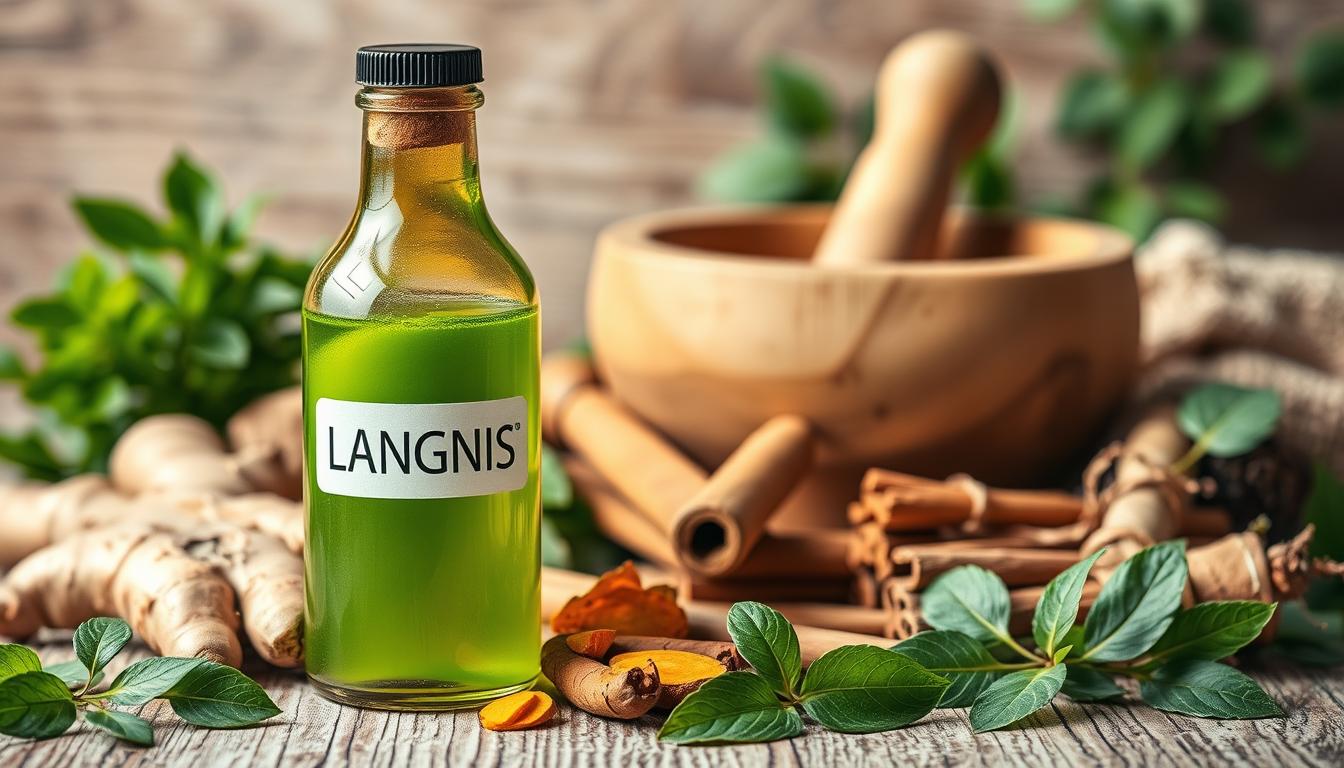
One spotlight is Langnis, a legal, premium blend made from Pule, Sambiloto and Duwet, processed for faster absorption and aimed at supporting sugar control alongside prescribed treatment.
Important: these options do not replace medical care. Talk to your provider about sources, purity, and possible interactions before adding any product.
List of contents:
- Why circulation matters for people with type 2 diabetes
- Natural Herbal Supplements for Healthy Blood Circulation in Diabetics: a curated list
- Langnis spotlight: a premium herbal blend to help control blood sugar
- Other researched herbs and nutrients for glucose and blood flow support
- Smart use in the Philippines: how to choose, stack, and stay safe
- Conclusion
- FAQ
- How does high blood glucose damage blood vessels and nerves in people with type 2 diabetes?
- Can antioxidants and improved insulin sensitivity really help blood flow?
- Which herbs and extracts have the strongest research for lowering fasting blood glucose?
- What is Langnis and what ingredients does it contain?
- Does advanced processing improve absorption and speed of action?
- How important is product sourcing and legality when buying supplements in the Philippines?
- Are cinnamon and bitter melon safe to use with diabetes medications?
- What does the evidence say about green tea, banaba, and berberine for glucose and heart health?
- Can alpha‑lipoic acid or evening primrose oil help diabetic neuropathy and circulation?
- How should people in the Philippines choose dose forms and quality markers?
- What precautions should be taken when stacking supplements with medications and diet?
- Are there risks with berberine, milk thistle, or magnesium?
- How quickly might someone see improvements in glucose or circulation after adding supplements?
- Can supplements replace prescribed diabetes medications?
- What lifestyle steps boost the effectiveness of these herbs and nutrients?
- Where can I find credible studies or reviews on these herbs?
- Related posts:
- Diabetes Complications: Early Warning Signs You Shouldn't Ignore
- Herbal Remedies for Managing Diabetes Naturally
- Manila's Top Herbal Medicine for Diabetes: Natural Solutions You Can Trust
Key Takeaways
- Plant extracts like cinnamon, banaba, and green tea show promising research effects on insulin activity.
- Supporting circulation can complement, not replace, standard diabetes treatment and care.
- Choose products with clear sourcing and quality controls to ensure consistent active levels.
- Langnis is presented as a locally relevant herbal blend processed for better absorption.
- Always consult healthcare professionals to avoid interactions and to tailor use to your type of diabetes.
Why circulation matters for people with type 2 diabetes
Sustained high glucose hurts more than numbers on a lab sheet — it affects vessels, nerves, and heart health.
How high blood glucose affects vessels, nerves, and heart health
When blood glucose stays elevated, the endothelium — the vessel lining — takes damage. This leads to stiffness, inflammation, and oxidative stress that raise cardiovascular risk.
Poor flow and microvascular injury can cause neuropathy, slow wound healing, and harm to the eyes and kidneys. These downstream complications make maintaining steady levels a priority for people with type 2 diabetes.
The role of antioxidants and insulin sensitivity in blood flow
Insulin and insulin sensitivity help regulate nitric oxide pathways that widen vessels and improve perfusion. Improved sensitivity can lower glucose spikes and reduce glycation products that hurt vessel walls.
Plant polyphenols — like tea catechins highlighted in research and some reviews — show potential to boost insulin activity and ease oxidative stress. Alpha-lipoic acid and evening primrose oil have also been studied for better nerve function and flow in diabetes models.
- Key effect: better insulin sensitivity may support tissue oxygen delivery.
- Clinical note: studies and at least one review report promising but limited evidence; supplements are adjuncts, not replacements.
- Practical tip: monitor fasting and daily levels and discuss any additions with your care team.
Natural Herbal Supplements for Healthy Blood Circulation in Diabetics: a curated list
Evidence-backed picks from research and traditional use
Below are extracts and nutrients with the strongest research or long-standing local use that may support insulin action, glucose levels, and vascular function.

- Cinnamon water-soluble extract — trials and at least one review report improved insulin sensitivity and post-meal control. Avoid high-coumarin whole cinnamon.
- Banaba (Lagerstroemia speciosa) — a Philippines-native option with corosolic acid linked to increased insulin action and cultural familiarity.
- Bitter melon (Momordica charantia) — traditional use and clinical studies show modest reductions in fasting glucose and HbA1c in some groups.
- Green tea (Camellia sinensis) — polyphenols support insulin activity and antioxidant defenses tied to endothelial health.
- Alpha‑lipoic acid & evening primrose oil — investigated for nerve function and improved microvascular flow, often used alongside glucose management.
- Milk thistle (silymarin) — some trials note reduced insulin resistance; product quality varies so choose trusted sources.
- Magnesium — an essential mineral with data suggesting possible gains in glucose handling in specific populations.
Practical note: these options are adjuncts, not replacements for prescribed medications. Discuss dosing, interactions, and product purity with your healthcare provider before adding any of them to a care plan for type 2 diabetes.
Langnis is presented as a Philippines-legal product that combines four plant extracts to support people managing diabetes alongside medical care. It is made from claimed 100% genuine herbs and highlights transparent composition and regulated sourcing.
What’s inside: Pule/Pulai, Sambiloto, and Duwet (composition and mg)
Composition: Alyxiae Renwardtii Cortex (Pulasari) 800mg; Alstoniae Scholatidis Cortex (Pulai) 1200mg; Andrographis paniculata Herba (Sambiloto) 800mg; Syzygium cumini Semen (Bij/Duwet) 200mg.
How advanced processing may improve absorption and faster action
The manufacturer states advanced processing increases bioavailability so active compounds reach the system sooner. Faster absorption can help support steadier glucose levels when paired with diet and treatment.
Why source quality and legality matter for safety and results
Source and purity affect effects and side-effect risk. Choose products that list composition and comply with local rules to reduce contamination and ensure consistent potency.
- Note: Langnis is not a replacement for prescribed medications or medical treatment.
- Tip: Discuss use with your healthcare provider to align timing with meals and insulin or other drugs.
- Safety: Verified sources and clear labels help people trust what they take and track outcomes.
Other researched herbs and nutrients for glucose and blood flow support
Several studied botanicals and micronutrients show promise at improving insulin action and modestly lowering fasting sugar in clinical work.
Cinnamon extract (water‑soluble forms like Cinnulin PF) has been linked in trials and at least one review to better insulin sensitivity and modest fasting glucose reduction. Avoid high‑dose whole cinnamon because of coumarin risk.
Bitter melon (Momordica charantia) appears in research, including a 2020 study that found lower fasting glucose after 12 weeks, though HbA1c did not change in all groups.

Green tea, banaba, and targeted antioxidants
Green tea (Camellia sinensis) supplies EGCG and related polyphenols that support insulin activity and cardiovascular markers. Banaba (Lagerstroemia speciosa) — common in the Philippines — contains lagerstroemin and may boost insulin action.
Alpha‑lipoic acid, evening primrose oil, and others
Alpha‑lipoic acid and evening primrose oil show effects on oxidative stress, neuropathy symptoms, and microcirculation in trials and models. Berberine (typical 500 mg, 2–3 times daily) has comparative data with metformin for glycemic and lipid control but needs clinician coordination.
Magnesium and milk thistle (silymarin) have emerging evidence for improved insulin markers; mild GI effects or interactions can occur. Always review doses and interactions with your healthcare provider before adding anything to treatment.
Smart use in the Philippines: how to choose, stack, and stay safe
Practical choices matter: safe pairing and clear labels make a big difference when people add plant products to diabetes care.
Pairing supplements with medications, diet, and exercise
Partner with your doctor to align any new product with your prescribed medications and meal plan. Track blood sugar and blood glucose readings daily so you can spot changes in time.
Never replace prescriptions with herbs or alternative products to treat diabetes. Discuss timing to avoid interactions and to adjust insulin or other drugs safely.
Dose forms, quality markers, and avoiding unsafe substitutions
In the Philippines, choose legal, quality-verified brands that show batch numbers, standardized extracts, and third-party testing. The FDA does not regulate these items like medications, so purity varies.
Prefer dose forms with proven bioavailability, such as water-soluble extracts, and avoid substitutions that lack evidence. When stacking, start low and add one product at a time, retesting after 2–4 weeks to lower risk of unexpected drops in sugar levels.
- Document brands, doses, and timing in a journal and share this with your clinician.
- If considering Langnis, note it claims 100% genuine herbs and advanced processing to help faster absorption and support blood sugar—use it under medical guidance.
- Watch for sensitivity, GI effects, or signs of complications and seek care promptly.
Conclusion
Careful choices and steady monitoring help people safely add plant-based options to their routine while managing diabetes.
strong, Use extracts and supplements only as adjuncts to prescribed care. Quality and legality matter; pick standardized, local brands with clear labels. Work with your clinician to check doses and possible interactions with insulin or other drugs.
The best options reviewed here may also support glucose stability and symptom relief for type diabetes. Outcomes vary by product, dose, and person. Track sugar and levels, pause any item that causes issues, and reassess every few weeks to measure any weight or symptom reduction.
Bottom line: with an evidence-aware approach and close medical oversight, these choices can play a small, useful role in comprehensive care for people managing disease.
FAQ
How does high blood glucose damage blood vessels and nerves in people with type 2 diabetes?
Chronically elevated glucose damages the inner lining of arteries and tiny capillaries, which reduces oxygen and nutrient delivery. That harm raises the risk of peripheral neuropathy, slow wound healing, and heart disease. Controlling glucose, blood pressure, and lipids reduces this damage and preserves vessel and nerve function.
Can antioxidants and improved insulin sensitivity really help blood flow?
Yes. Antioxidants limit oxidative stress that narrows vessels, while better insulin sensitivity helps glucose move into cells instead of staying in the bloodstream. Together they reduce inflammation, support endothelial function, and can improve microcirculation over time when combined with lifestyle changes.
Which herbs and extracts have the strongest research for lowering fasting blood glucose?
Several agents show consistent evidence: cinnamon extract has modest effects on fasting glucose and insulin sensitivity; bitter melon demonstrated fasting glucose reductions in some trials; berberine has comparable effects to metformin in some studies. Magnesium and milk thistle also have emerging support but vary by study quality.
What is Langnis and what ingredients does it contain?
Langnis is a branded herbal blend that lists Pule/Pulai, sambiloto, and duwet among its components. Manufacturers usually provide standardized milligram doses on labels. Always check the product facts panel for exact composition and serving size before use.
Does advanced processing improve absorption and speed of action?
It can. Techniques such as standardization to active compounds, micronization, liposomal delivery, or use of bioenhancers can increase bioavailability. Better absorption may translate to faster or more consistent effects, but clinical outcomes still depend on dose, quality, and user factors.
How important is product sourcing and legality when buying supplements in the Philippines?
Very important. Choose products from reputable firms with third‑party testing, clear ingredient lists, and local regulatory compliance. Avoid unregistered or imported items without proper labeling. Poor sourcing raises risks of contamination, incorrect dosing, or banned substances.
Are cinnamon and bitter melon safe to use with diabetes medications?
They may lower glucose and can increase hypoglycemia risk if combined with insulin or sulfonylureas. Always inform your prescribing clinician before starting these agents so doses can be adjusted and blood glucose can be monitored closely.
What does the evidence say about green tea, banaba, and berberine for glucose and heart health?
Green tea polyphenols support metabolic health and endothelial function in some studies. Banaba (Lagerstroemia speciosa) has traditional and clinical backing for lowering glucose in the Philippines and elsewhere. Berberine shows strong glucose‑lowering effects but can interact with drugs; clinical guidance is recommended.
Can alpha‑lipoic acid or evening primrose oil help diabetic neuropathy and circulation?
Alpha‑lipoic acid has good evidence for easing neuropathic symptoms and improving nerve conduction, which may indirectly support microcirculation. Evening primrose oil has mixed data; it may affect inflammation and skin health but is less proven for neuropathy than alpha‑lipoic acid.
How should people in the Philippines choose dose forms and quality markers?
Prefer standardized extracts, clear mg per serving, batch testing certificates, and reputable retailers or pharmacies. Choose capsules or tablets from GMP‑certified manufacturers and avoid bulk powders without testing data. Look for third‑party seals like USP, NSF, or local FDA registration.
What precautions should be taken when stacking supplements with medications and diet?
Coordinate with your healthcare team. Start one product at a time, monitor fasting and postprandial glucose, and watch for side effects. Keep consistent diet and exercise habits to assess real effects. Avoid unproven combinations and report any symptoms like dizziness, palpitations, or unexplained low glucose.
Are there risks with berberine, milk thistle, or magnesium?
Yes. Berberine can interact with cytochrome P450 substrates and lower blood pressure or glucose; milk thistle is generally safe but can interact with liver‑metabolized drugs; magnesium can cause diarrhea and, in excess, cardiac issues. Use recommended doses and check drug interactions with a pharmacist or doctor.
How quickly might someone see improvements in glucose or circulation after adding supplements?
It varies. Some people see modest glucose changes in weeks; neuropathy or blood‑flow improvements may take months. Effects depend on baseline control, medication use, diet, weight, and supplement quality. Regular monitoring is essential to judge benefits and safety.
Can supplements replace prescribed diabetes medications?
No. Supplements may support metabolic health but should not replace prescribed medications without medical supervision. Stopping or replacing drugs can lead to loss of glucose control and increased complication risk. Always consult your physician before making changes.
What lifestyle steps boost the effectiveness of these herbs and nutrients?
Regular aerobic and resistance exercise improves circulation and insulin sensitivity. A balanced diet low in refined carbs, weight loss when needed, smoking cessation, and blood pressure control all amplify supplement benefits and lower complication risk.
Where can I find credible studies or reviews on these herbs?
Look to PubMed, Cochrane Reviews, and journals like Diabetes Care or the Journal of Ethnopharmacology. Government health sites and university research centers also publish accessible summaries. Prefer systematic reviews and randomized controlled trials over single small studies.