List of contents:
- The Rich Heritage of Indonesian Herbal Medicine
- Key Indonesian Herbs for Diabetes Management
- How to Use Indonesian Herbs for Diabetes
- Safety Considerations and Precautions
- Scientific Evidence Supporting Indonesian Herbs for Diabetes
- An Integrative Approach to Diabetes Management
- Real Experiences: Indonesian Herbs in Diabetes Management
- How quickly do people typically see results with Indonesian herbs?
- Can Indonesian herbs completely replace diabetes medications?
- How do people incorporate these herbs into their daily routines?
- What improvements do people commonly report beyond blood sugar control?
- Experience the Benefits of Traditional Indonesian Herbs
- Conclusion: Balancing Tradition and Modern Care
- Myth vs. Reality: Can Diabetics Ever Eat Sweets Again?
- Healthy Eating Habits to Prevent Diabetes Mellitus: An ASEAN Guide
- Navigating Food Labels: A Diabetic's Guide to Smarter Grocery Shopping
The Rich Heritage of Indonesian Herbal Medicine
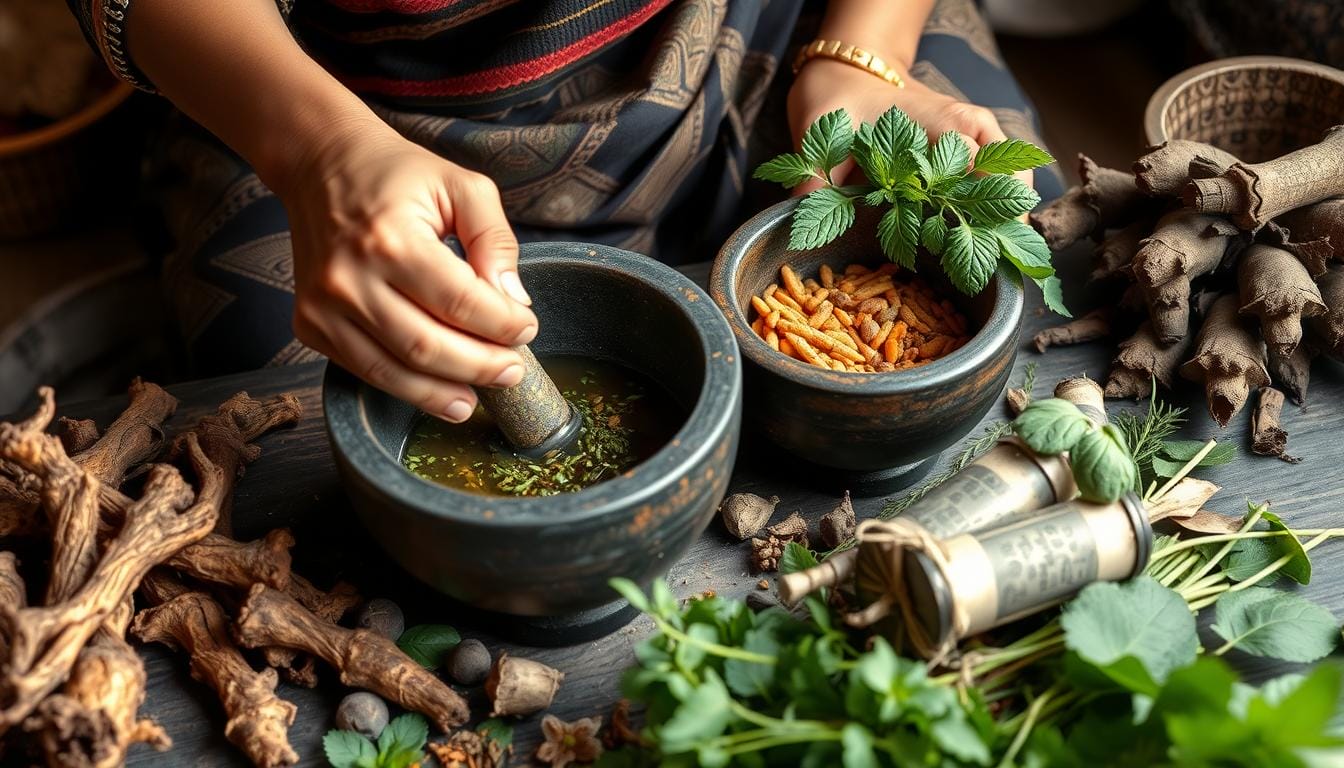
Traditional preparation of Jamu, Indonesia’s herbal medicine heritage
Indonesia’s traditional herbal medicine, known as “Jamu,” represents one of the world’s oldest and most comprehensive systems of natural healing. Dating back more than 1,300 years, Jamu combines indigenous wisdom with influences from Indian Ayurveda and Chinese traditional medicine. This practice is deeply embedded in Indonesian culture, with recipes passed down through generations.
In 2019, UNESCO recognized Indonesia’s traditional herbal practices as part of the Intangible Cultural Heritage of Humanity, acknowledging their cultural significance and medicinal value. Today, Jamu remains relevant in modern healthcare, with the Indonesian government actively promoting scientific research to validate traditional formulations.
For diabetes management, specific herbal combinations have been documented in ancient manuscripts and continue to be prescribed by traditional healers. These formulations typically feature bitter herbs that help regulate blood sugar levels and improve insulin sensitivity.
Key Indonesian Herbs for Diabetes Management
Indonesia’s biodiversity has gifted the world with powerful medicinal plants that show promising effects for managing diabetes. Research continues to validate what traditional healers have known for centuries – these herbs contain compounds that can help regulate blood sugar levels through various mechanisms.

Sambiloto (Andrographis paniculata), known as the “King of Bitters”
Sambiloto (Andrographis paniculata)
Sambiloto, often called the “King of Bitters” due to its intensely bitter taste, is perhaps the most studied Indonesian herb for diabetes management. This remarkable plant contains several bioactive compounds, with andrographolide being the most significant for blood sugar control.
- Contains andrographolide, a compound that helps improve insulin sensitivity
- Stimulates glucose uptake in muscle cells, similar to how insulin works
- Helps protect pancreatic beta cells that produce insulin
- Reduces inflammation associated with diabetes complications
- Shows potential to lower HbA1c levels in clinical studies
Research published in the Journal of Ethnopharmacology demonstrated that Sambiloto extract significantly reduced blood glucose levels in diabetic rats, with effects comparable to some conventional medications. Its mechanism involves enhancing glucose utilization in peripheral tissues and stimulating insulin secretion.

Duwet (Syzygium cumini) fruits and seeds used in diabetes management
Duwet (Syzygium cumini)
Duwet, also known as Java Plum or Jamun, has been a cornerstone of diabetes treatment in traditional Indonesian medicine. The seeds of this fruit contain jamboline, a glycoside that helps reduce the conversion of starch to sugar.
- Seeds contain alkaloids that help regulate blood glucose metabolism
- Rich in flavonoids and anthocyanins with potent antioxidant properties
- Traditionally used to reduce excessive urination, a common diabetes symptom
- Contains mycaminose, which can slow carbohydrate digestion
- Studies show it may help regenerate damaged pancreatic cells
Traditional healers have long observed that Duwet helps reduce sugar in urine, a key indicator of diabetes before modern testing methods. Modern research confirms that Duwet seed extract can significantly lower blood glucose levels and improve glucose tolerance.

Pule (Alstonia scholaris) bark contains powerful anti-inflammatory compounds
Pule (Alstonia scholaris)
Pule, known as Devil’s Tree in English, has been used in Indonesian traditional medicine for centuries. Its bark contains alkaloids and triterpenoids with significant anti-inflammatory and blood sugar-lowering properties.
- Contains echitamine and scholaricine that help reduce blood glucose levels
- Powerful anti-inflammatory properties help prevent diabetes complications
- May improve insulin secretion from pancreatic beta cells
- Traditional use focuses on reducing thirst and excessive urination
- Also helps address secondary complications like diabetic neuropathy
Recent studies have shown that Pule extract can significantly reduce fasting blood glucose levels while improving insulin sensitivity. Its anti-inflammatory properties also make it valuable for preventing long-term complications of diabetes.

Pulasari (Alyxia reinwardtii) enhances the efficacy of other herbs
Pulasari (Alyxia reinwardtii)
While less studied specifically for diabetes, Pulasari serves as an important supporting herb in traditional Indonesian formulations. It’s believed to enhance the efficacy of other herbs while providing additional benefits for overall health.
- Contains compounds that support healthy blood circulation
- Helps reduce inflammation throughout the body
- Traditional use as a “carrier” herb that enhances other medicinal plants
- May help address digestive issues common in diabetes patients
- Provides a balancing effect in herbal formulations
In traditional practice, Pulasari is rarely used alone but rather combined with primary herbs like Sambiloto and Pule to create more effective formulations for diabetes management.
How to Use Indonesian Herbs for Diabetes

Various consumption methods: herbal tea, capsules, and liquid extracts
Indonesian herbs for diabetes can be consumed in several forms, each with its own advantages. Traditional methods involve brewing fresh or dried herbs as teas or decoctions, while modern approaches include standardized extracts and capsules for convenience and precise dosing.
Traditional Preparation Methods
Herbal Teas (Jamu)
The most traditional method involves steeping dried herbs in hot water to create a therapeutic tea. Typically, 1-2 teaspoons of dried herb is steeped in boiling water for 10-15 minutes. While this preserves the full spectrum of plant compounds, the bitter taste can be challenging for many people.
Decoctions
For tougher plant parts like bark and seeds, a longer simmering process (30-45 minutes) creates a more potent preparation. This method is particularly effective for extracting active compounds from Duwet seeds and Pule bark but requires more time and preparation.
Modern Consumption Methods
Capsules and Tablets
Powdered herbs encapsulated for convenience offer precise dosing without the bitter taste. This form is ideal for those who find the traditional taste unpleasant or need consistent dosing throughout the day. The standardization also helps ensure consistent potency.
Standardized Extracts
Concentrated liquid or powdered extracts provide higher potency and faster absorption. These extracts are often standardized to contain specific amounts of active compounds like andrographolide from Sambiloto, ensuring consistent efficacy with each dose.
Langnis: Advanced Indonesian Herbal Formula for Diabetes Management
Langnis combines the power of traditional Indonesian herbs with modern extraction technology to create an effective formula for blood sugar management. Each capsule contains a precise blend of Pule, Sambiloto, Duwet, and Pulasari, carefully formulated based on centuries of traditional knowledge and supported by modern research.
| Herb | Scientific Name | Amount | Traditional Benefit |
| Pulasari | Alyxiae Renwardtii Cortex | 800mg | Enhances absorption and efficacy |
| Pule | Alstoniae Scholatidis Cortex | 1200mg | Reduces inflammation and blood glucose |
| Sambiloto | Andrographis Paniculata Herba | 800mg | Improves insulin sensitivity |
| Duwet | Syzygii Cumini Semen | 200mg | Regulates glucose metabolism |
Langnis uses advanced extraction technology to ensure maximum absorption and faster action compared to traditional preparations. The standardized formula provides consistent results while honoring Indonesia’s herbal medicine traditions.
Safety Considerations and Precautions

Always consult healthcare professionals before starting herbal treatments
While Indonesian herbs offer promising benefits for diabetes management, they should be used responsibly and with proper knowledge of potential side effects and interactions. Understanding these considerations is essential for safe and effective use.
Important Safety Considerations
Herbal remedies are powerful medicines and should be treated with the same respect as pharmaceutical drugs. Never replace prescribed medications with herbs without consulting your healthcare provider, and always inform all your healthcare providers about any herbs or supplements you’re taking.
Potential Side Effects
Generally Well-Tolerated
- Most people experience no side effects when herbs are taken as directed
- Traditional use over centuries demonstrates general safety
- Standardized extracts help ensure consistent dosing
Possible Side Effects
- Sambiloto in high doses may cause digestive discomfort or liver strain
- Pule can cause dizziness or low blood pressure in sensitive individuals
- Some herbs may lower blood sugar too much when combined with medications
Drug Interactions
Indonesian herbs can interact with conventional diabetes medications and other drugs. These interactions are particularly important to understand:
- Sambiloto may enhance the effects of insulin and oral hypoglycemic drugs, potentially causing low blood sugar
- Pule may interact with blood pressure medications
- Some herbs can affect liver enzymes that metabolize other medications
- Combining multiple blood sugar-lowering herbs may have additive effects
Special Populations
Certain groups should exercise additional caution with herbal remedies:
Pregnancy and Breastfeeding
Many herbs, including Sambiloto and Pule, are not recommended during pregnancy or while breastfeeding due to insufficient safety data. Always consult with a healthcare provider before using any herbs during these periods.
Children and Elderly
Dosages should be adjusted for children and elderly individuals, who may be more sensitive to the effects of herbs. Start with lower doses and monitor closely for any adverse reactions.
Monitoring Recommendations
If you choose to use Indonesian herbs for diabetes management, regular monitoring is essential:
- Check blood glucose levels more frequently when starting any herbal treatment
- Watch for signs of hypoglycemia (low blood sugar)
- Consider periodic liver function tests, especially with long-term use
- Keep a symptom journal to track any potential side effects
Scientific Evidence Supporting Indonesian Herbs for Diabetes

Modern research is validating traditional knowledge about Indonesian herbs
The traditional use of Indonesian herbs for diabetes is increasingly supported by scientific research. While more comprehensive clinical trials are still needed, existing studies provide promising evidence for their efficacy and mechanisms of action.
Research Highlights
Sambiloto (Andrographis paniculata)
A 2019 study published in the Journal of Ethnopharmacology found that andrographolide from Sambiloto significantly improved insulin sensitivity in diabetic rat models. The compound worked by enhancing glucose uptake in muscle cells and stimulating insulin secretion from pancreatic beta cells.
Duwet (Syzygium cumini)
Research published in Pharmacognosy Reviews demonstrated that Duwet seed extract reduced blood glucose levels by 30% in diabetic subjects. The study identified multiple mechanisms, including alpha-glucosidase inhibition and enhanced insulin secretion.
Pule (Alstonia scholaris)
A 2018 study in the International Journal of Pharmaceutical Sciences and Research found that Pule bark extract significantly lowered fasting blood glucose levels while improving insulin sensitivity. The study also noted its potential for preventing diabetic complications through its anti-inflammatory effects.
Combined Formulations
Research on traditional formulations like Jamu pahitan showed that combinations of these herbs often produce synergistic effects. A clinical study published in the Tropical Journal of Natural Product Research demonstrated significant reductions in fasting blood glucose when patients used a traditional multi-herb formula.
An Integrative Approach to Diabetes Management

Combining traditional herbs with modern lifestyle approaches offers comprehensive care
The most effective approach to diabetes management combines the wisdom of traditional herbal medicine with modern lifestyle modifications and conventional medical care when needed. This integrative strategy addresses multiple aspects of diabetes management for optimal results.
Complementary Strategies
Dietary Modifications
Traditional Indonesian diets rich in vegetables, fish, and unprocessed foods complement herbal treatments. Focus on low-glycemic foods, adequate protein, and healthy fats while limiting refined carbohydrates and sugars.
Physical Activity
Regular movement improves insulin sensitivity and enhances the effects of herbal treatments. Traditional practices like pencak silat or modern exercises like walking 30 minutes daily can significantly improve blood sugar control.
Stress Management
Chronic stress can worsen diabetes. Traditional practices like meditation and modern techniques like mindfulness can help manage stress levels and improve overall diabetes management.
Working with Healthcare Providers
For optimal results, establish a collaborative relationship with healthcare providers who respect both traditional and modern approaches:
- Share information about all herbs and supplements with your healthcare team
- Request regular monitoring of blood glucose, HbA1c, and other relevant markers
- Discuss potential interactions between herbs and medications
- Consider working with practitioners familiar with both traditional and modern medicine
“The future of diabetes care lies not in choosing between traditional wisdom and modern medicine, but in thoughtfully integrating both approaches to provide comprehensive, personalized care.”
Real Experiences: Indonesian Herbs in Diabetes Management

Community knowledge sharing plays an important role in traditional medicine
The experiences of people across ASEAN countries provide valuable insights into how Indonesian herbs are being used in real-world settings for diabetes management. While individual results vary, these stories highlight the potential benefits and practical considerations.
How quickly do people typically see results with Indonesian herbs?
Most people report noticing initial improvements in symptoms like excessive thirst and fatigue within 2-4 weeks of consistent use. However, measurable changes in blood glucose levels typically take 4-8 weeks to become significant. Long-term benefits for HbA1c levels usually require at least 3 months of regular use.
Can Indonesian herbs completely replace diabetes medications?
While some individuals with mild type 2 diabetes or prediabetes report being able to manage their condition with herbs and lifestyle changes alone, most people with established diabetes find herbs work best as a complementary approach alongside conventional treatments. Never discontinue prescribed medications without medical supervision.
How do people incorporate these herbs into their daily routines?
Many people find that taking standardized extracts or capsules in the morning and evening works best, often 15-30 minutes before meals. Those using traditional preparations like teas typically consume them 2-3 times daily. Consistency is key for optimal results, so establishing a regular routine is important.
What improvements do people commonly report beyond blood sugar control?
Beyond improved blood glucose levels, many users report better energy levels, reduced thirst and urination, improved wound healing, and fewer infections. Some also note improvements in secondary complications like neuropathy symptoms and vision issues over longer periods of use.
Experience the Benefits of Traditional Indonesian Herbs
Langnis combines centuries of traditional wisdom with modern scientific understanding to create an effective herbal formula for diabetes management. Our standardized extraction process ensures consistent potency and maximum absorption for optimal results.
Conclusion: Balancing Tradition and Modern Care

Combining traditional wisdom with modern monitoring offers the best approach
Indonesian herbs for diabetes represent a valuable resource in the growing global challenge of diabetes management. With their long history of traditional use now increasingly supported by scientific research, these natural remedies offer promising complementary approaches for people throughout ASEAN communities.
The herbs discussed – Sambiloto, Duwet, Pule, and Pulasari – each contribute unique mechanisms for supporting healthy blood glucose levels. Whether used individually or in carefully formulated combinations like Langnis, they offer natural options that align with both cultural traditions and modern understanding of diabetes physiology.
As you explore these natural solutions, remember that the most successful approach to diabetes management is typically integrative – combining the best of traditional wisdom with modern medical care and lifestyle modifications. Always consult with healthcare professionals familiar with both traditional and conventional medicine, especially when combining approaches or managing more severe forms of diabetes.
Key Takeaways
- Indonesian herbs offer natural support for blood sugar management based on centuries of traditional use
- Scientific research increasingly validates the mechanisms and efficacy of these herbs
- Standardized formulations like Langnis provide convenient access to traditional herbal wisdom
- An integrative approach combining herbs, lifestyle modifications, and medical care offers the most comprehensive management
- Always consult healthcare professionals when incorporating herbs into your diabetes management plan
Nature’s pharmacy offers remarkable resources for supporting health, but knowledge and responsible use are essential. By respecting both traditional wisdom and modern medical understanding, you can make informed choices about incorporating Indonesian herbs into your diabetes management journey.
Take the Next Step in Natural Diabetes Management
Consult with your healthcare provider about incorporating traditional Indonesian herbs into your diabetes management plan. When you’re ready to experience these benefits, Langnis offers a scientifically formulated blend of Indonesia’s most effective herbs for blood sugar support.