Surprising fact: more than 420 million people worldwide live with diabetes, and many seek simple ways to support blood sugar without replacing medical care.
This short guide offers friendly, practical recipes and clear notes on safety so patients in Thailand can explore gentle remedies alongside standard treatment. You’ll see how simple teas and sips may help steady glucose and support overall health when used with a doctor’s plan.
One product we’ll introduce is Langnis, a premium herbal medicine made from Pule (Pulai), Sambiloto, and Duwet extracts and processed for faster absorption. Each capsule lists Alyxiae Renwardtii Cortex 800 mg, Alstoniae Scholatidis Cortex 1200 mg, Andrographis paniculata 800 mg, and Syzygii cumini 200 mg — details that help you compare foods and supplements.
We also summarize current research on cinnamon, green tea, magnesium, alpha-lipoic acid, and bitter melon so you can see where evidence is stronger or still emerging. Safety matters: talk with your clinician if you take insulin or other medications, or if you have complications or shifting blood sugar levels.
List of contents:
- Smart starts: managing blood glucose levels safely with herbs and standard care
- Herbal Tonics for Diabetics
- Meet Langnis: a premium herbal medicine to help control blood sugar
- Inside Langnis: composition, traditional roots, and potential benefits
- From kitchen to clinic: what research and reviews say about herbal remedies
- Conclusion
- FAQ
- What are these recipes and how can they help manage blood glucose levels?
- Why should herbs complement, not replace, standard diabetes treatment?
- What blood glucose goals should a person with diabetes set?
- How does cinnamon water infusion affect fasting blood glucose?
- What does green tea EGCG do for insulin activity and glucose management?
- How effective is bitter melon tea for lowering blood glucose?
- Can fenugreek seed soak improve sugar and lipid profiles?
- When should American ginseng be used to moderate postprandial glucose?
- What does oregano steep do for insulin activity?
- How might rosemary tea support metabolism and cholesterol balance?
- Is sage tea similar to metformin in mechanism?
- What is the role of Jamun (Syzygium cumini) drink in glucose control?
- Can a magnesium‑rich cocoa drink improve insulin sensitivity?
- What about alpha‑lipoic acid (ALA) lemonade for neuropathy and glucose?
- How strong is the evidence for berberine tonic on blood sugar and lipids?
- What is Langnis and how does it claim to support blood sugar control?
- Are the ingredients in Langnis backed by research?
- What are typical per‑capsule compositions and why do they matter?
- What do systematic reviews say about natural compounds for diabetes management?
- What safety concerns, interactions, and side effects should patients know?
- How should someone integrate these drinks or supplements into daily care?
- Where can patients find reliable information and third‑party tested products?
- Related posts:
- Best Herbal Teas to Lower Blood Sugar Naturally
- How Traditional Asian Remedies Are Transforming Diabetes Care
- Natural Blood Sugar Control: Herbs Backed by Science
Key Takeaways
- Use simple teas and infusions to support blood sugar, not to replace treatment.
- Langnis provides labeled herb doses that may aid absorption and quicker effects.
- Research shows promise for cinnamon, green tea, magnesium, and other remedies.
- Watch interactions with insulin and medications; consult your healthcare team.
- Focus on balanced foods, activity, and safe use of supplements in daily routines.
Smart starts: managing blood glucose levels safely with herbs and standard care
Begin with a clear plan that puts medical care, diet, and activity at the center of glucose management. Good control comes from routine monitoring, a balanced plate, regular movement, and the right medications prescribed by your clinician.
Why herbs complement, not replace, diabetes treatment
Herbs can help as add-ons but should not replace a treatment plan. Some supplements interact with metformin, insulin, sulfonylureas, or meglitinides and may cause unwanted side effects.
Setting goals: fasting glucose, insulin sensitivity, and lipid control
Set clear targets with your care team: fasting glucose, day‑to‑day sugar levels, and lipid markers. Track results so you see what truly improves control and insulin sensitivity over time.
- Start with clinician guidance: diet, activity, monitoring, and prescribed medications are the foundation.
- Discuss any herb use to avoid interactions and reduce side effects risk.
- Personalize goals and revisit them as new studies and your health evolve.
Note: Langnis is made from 100% genuine, legal herbs processed with advanced technology for faster absorption and may be considered a supportive option alongside a physician‑guided diabetes plan.
Herbal Tonics for Diabetics
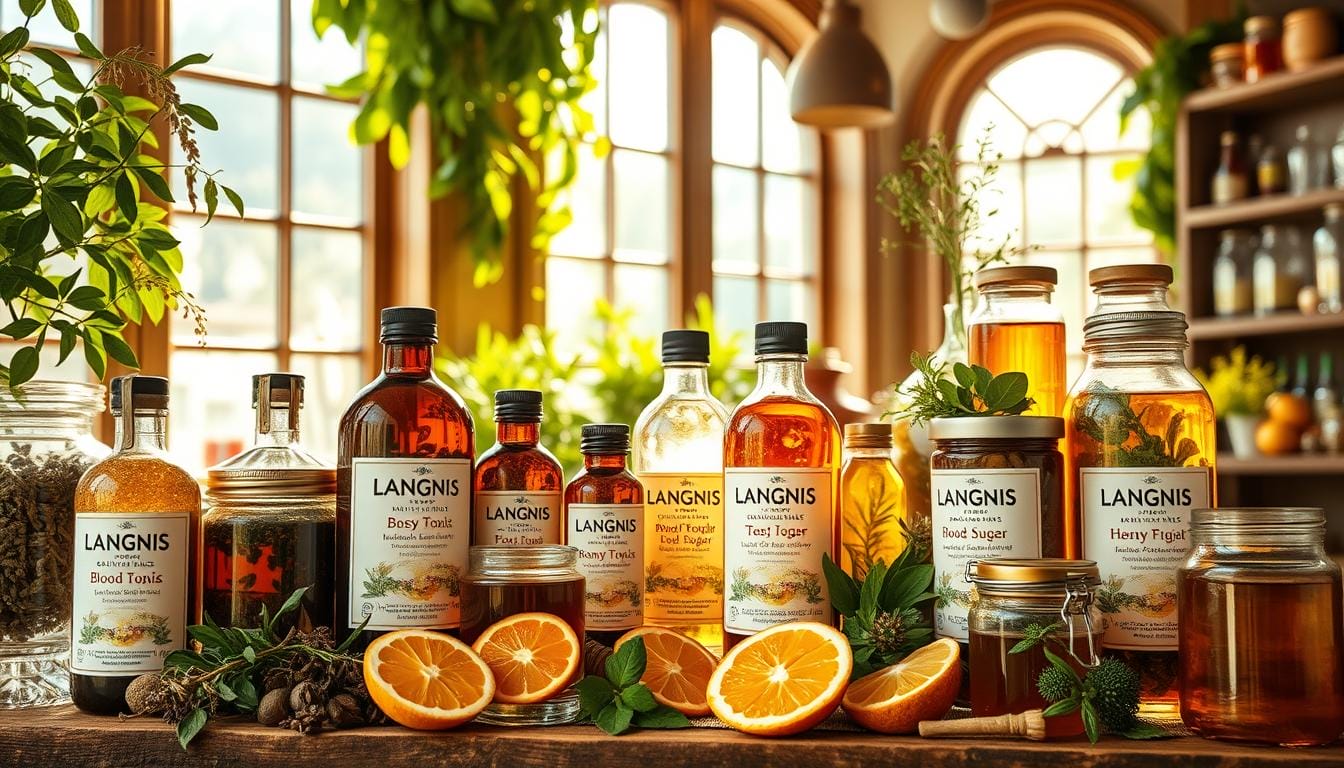
A few easy brews and soaks can fit into daily routines and may aid glucose control when used safely. Below are short recipes and quick notes on what studies suggest about their effects.
Cinnamon water infusion
Add 1/2–1 tsp Ceylon cinnamon or a water-soluble extract to 250–300 ml hot water. Steep 10 minutes and sip before breakfast to help fasting blood sugar. Watch for coumarin sensitivity and prefer low-coumarin extracts.
Green tea polyphenol brew
Steep 2–3 g high-quality green tea for 2–3 minutes. EGCG supports insulin activity and may improve glucose management. Limit sweeteners and aim for 2–3 cups a day if tolerated.
Bitter melon, fenugreek, and more
- Bitter melon tea: simmer 10–15 minutes; small trials show glucose-lowering potential.
- Fenugreek soak: 1–2 tsp seeds soaked overnight; soluble fiber can aid sugars and HDL.
- American ginseng, oregano, rosemary, sage, jamun, magnesium cocoa, ALA, and berberine: each has specific research hints and dosing notes—check timing and interactions.
Quick safety note: If you take insulin or glucose-lowering medicine, consult your clinician before adding these sips. For quicker, standardized support, some readers consider LANGNIS, a premium capsule blend of Pulai, Pulasari, Sambiloto, and Duwet processed for absorption.
Meet a targeted supplement that blends traditional extracts with modern processing to support glucose control. Langnis is formulated to assist people living with diabetes in Thailand who want a consistent, labeled option to add to daily routines.

What is Langnis? 100% genuine herbs processed with advanced technology
Langnis is a premium medicine made from Pule (Pulai), Sambiloto, and Duwet extracts. The product uses genuine, legal herbs and clear labeling so you know what you take.
How Langnis works: faster absorption to support blood sugar control
Advanced processing aims to improve bioavailability so the body can absorb active compounds more quickly. Faster absorption may help the effects on glucose and sugar levels appear sooner when paired with diet and activity.
- Supports daily treatment — designed to complement clinician‑directed diabetes care, not replace it.
- Consistent dosing — clear labels help align use with medical plans and monitoring.
- Traditional meets modern — Pulai, Pulasari, Sambiloto, and Duwet target metabolism and overall health.
Always consult your healthcare professional before use so the product fits your current treatment and any medicine adjustments can be made safely.
Inside Langnis: composition, traditional roots, and potential benefits
Inside Langnis you’ll find a precise mix of traditional cortex and seed extracts designed to complement diabetes management. The formula brings heritage botanicals into a consistent, labeled medicine that patients can discuss with their clinician.

Pulasari and Pulai cortex extracts — heritage botanicals in glucose management
Alstoniae Scholatidis Cortex (Pulai) 1200 mg and Alyxiae Renwardtii Cortex (Pulasari) 800 mg are included to reflect traditional use aimed at supporting blood and glucose balance.
Sambiloto (Andrographis paniculata) — traditional antidiabetic herb context
Andrographis paniculata 800 mg is a widely used regional herb with a long history as an antidiabetic remedy. It is added here in a standardized form to help reduce variability seen in home preparations.
Duwet/Jamun seed (Syzygium cumini) — research-backed support for glucose and lipids
Syzygium cumini seed 200 mg supplies polyphenols linked in studies to supportive effects on glucose and lipid markers in animal and early human research.
Per‑capsule composition details
- Alstoniae Scholatidis Cortex (Pulai) — 1200 mg
- Alyxiae Renwardtii Cortex (Pulasari) — 800 mg
- Andrographis paniculata Herba (Sambiloto) — 800 mg
- Syzygium cumini Semen (Duwet/Jamun) — 200 mg
The standardized form aims to support metabolism and more predictable effects on blood glucose levels and sugar control when paired with diet, activity, and prescribed treatment. Always consult your healthcare team to monitor glucose, blood, and insulin needs while trying new supplements for diabetes mellitus.
From kitchen to clinic: what research and reviews say about herbal remedies
Recent reviews and trials help bridge kitchen remedies and clinical care for people managing glucose. Systematic review summaries show limited but growing evidence for select compounds. Expectations should stay realistic and tailored to each patient.
Systematic review highlights: Meta-analyses find modest benefits for some agents. Cinnamon can lower fasting glucose in several studies. Camellia sinensis teas (green and oolong) tend to improve insulin sensitivity and activity. Berberine at 500 mg two to three times daily appears in reviews with effects similar to metformin on blood and lipid markers.
Human data snapshots
Small trials show bitter melon may reduce glucose in type 2 people. American ginseng often cuts postprandial rises when taken with meals. Fenugreek improves glucose and HDL in a number of studies.
Safety first
Watch interactions — alpha‑lipoic acid can lower glucose quickly and cause hypoglycemia when paired with insulin or some medicines. Always discuss timing, dose, and side effects with your clinician.
- Quality matters: choose tested sources with clear labels and consistent dosing.
- Monitor: track blood glucose levels and symptoms while adding any supplement.
- Complement, don’t replace: use high‑quality options like Langnis only alongside clinician‑directed care to manage diabetes and reduce complications.
Conclusion
Conclusion
A clear, cautious plan helps turn promising remedies and foods into useful tools to steady glucose.
Use simple, evidence‑informed choices—cinnamon, green tea, bitter melon, ginseng, or fenugreek—while tracking blood sugar levels over 2–4 weeks. Pair those steps with balanced meals and regular activity to protect long‑term health.
If you take insulin or other medications, work closely with your clinician to avoid lower blood episodes and adjust timing safely. Consider quality, standardized products: Langnis uses 100% genuine Pulai, Pulasari, Sambiloto, and Duwet processed for better absorption to support faster control as part of a clinician‑guided plan.
Be realistic: studies continue to evolve. Personalize management, monitor blood glucose, and prioritize safety to limit complications in type 2 and other types of diabetes mellitus.
FAQ
What are these recipes and how can they help manage blood glucose levels?
The recipes combine botanicals and food‑based agents that have shown glucose‑lowering or insulin‑sensitizing effects in clinical and preclinical studies. Used alongside prescribed diabetes care, they may support fasting and postprandial glucose control, lipid profiles, and metabolic health. They are not replacements for medications such as insulin or metformin.
Why should herbs complement, not replace, standard diabetes treatment?
Most plant remedies have modest effects and variable quality across products. Standard treatments are evidence‑based, doseable, and monitored by labs. Combining therapies without medical oversight can risk hypoglycemia, interactions, or undermined disease control. Always discuss any supplement with your clinician.
What blood glucose goals should a person with diabetes set?
Typical targets vary by age and health: fasting glucose often aims for roughly 80–130 mg/dL and postprandial levels below 180 mg/dL, though clinicians individualize goals. Lipid control, blood pressure, and insulin sensitivity measures also guide management. Ask your care team for personalized targets.
How does cinnamon water infusion affect fasting blood glucose?
Cinnamon (Cinnamomum verum or C. cassia) may modestly lower fasting glucose and improve insulin signaling in short trials. A simple infusion involves steeping a stick or powdered cinnamon in hot water for 10–15 minutes. Benefits are usually small and vary by dose and product quality.
What does green tea EGCG do for insulin activity and glucose management?
Green tea contains EGCG and other polyphenols that can enhance insulin sensitivity and reduce oxidative stress. Regular brewed green tea or standardized extracts have shown modest improvements in glycemic markers in some studies, particularly when paired with diet and exercise.
How effective is bitter melon tea for lowering blood glucose?
Bitter melon (Momordica charantia) has compounds that mimic insulin activity in lab and animal studies and some positive human data on postprandial glucose. Effects vary by preparation and dose. Use caution if you take other glucose‑lowering drugs because combined effects can increase hypoglycemia risk.
Can fenugreek seed soak improve sugar and lipid profiles?
Fenugreek seeds are rich in soluble fiber and saponins. Soaking or consuming powdered seed with meals can slow carbohydrate absorption and may modestly improve fasting glucose and cholesterol over time. Expect gradual benefits and watch for gastrointestinal side effects.
When should American ginseng be used to moderate postprandial glucose?
American ginseng (Panax quinquefolius) shows the greatest effect when taken 30–60 minutes before a meal to blunt post‑meal glucose spikes. Effects are dose‑dependent and individual. Discuss timing with a clinician if you use insulin or sulfonylureas.
What does oregano steep do for insulin activity?
Oregano contains flavonoids with anti‑inflammatory and antioxidant actions that may support glucose metabolism. A simple steep of fresh or dried leaves can be a supportive adjunct, but evidence for large glucose reductions is limited.
How might rosemary tea support metabolism and cholesterol balance?
Rosemary (Rosmarinus officinalis) has polyphenols that may improve lipid oxidation and metabolic markers in animal models; human data are limited. Drinking rosemary tisane may contribute antioxidants to a healthy diet but should not replace lipid‑lowering therapy when indicated.
Is sage tea similar to metformin in mechanism?
Some studies suggest sage (Salvia officinalis) extracts influence glucose‑related enzymes and insulin pathways, resembling elements of metformin’s metabolic effects in early research. However, human evidence is preliminary. Never substitute sage for prescribed metformin without medical approval.
What is the role of Jamun (Syzygium cumini) drink in glucose control?
Jamun seeds and fruit contain polyphenols and anthocyanins linked to reduced postprandial glucose and improved lipid parameters in small trials. A seed‑based infusion or standardized extract may offer supportive effects, particularly when integrated into broader care.
Can a magnesium‑rich cocoa drink improve insulin sensitivity?
Cocoa provides flavanols and magnesium, both associated with improved endothelial function and insulin sensitivity. A modest, low‑sugar cocoa beverage can be a food‑first strategy to support metabolic health when combined with diet and activity.
What about alpha‑lipoic acid (ALA) lemonade for neuropathy and glucose?
ALA has evidence for relieving diabetic neuropathy symptoms and may modestly improve insulin sensitivity. A drink concept can deliver ALA but dosing matters—therapeutic benefits often use standardized oral supplements. Monitor for interactions and consult a clinician for neuropathy management.
How strong is the evidence for berberine tonic on blood sugar and lipids?
Berberine has multiple randomized trials showing reductions in fasting glucose, A1c, and lipids comparable in some studies to standard agents. Quality and dose matter; berberine can interact with medications and affect liver enzymes, so medical oversight is important.
What is Langnis and how does it claim to support blood sugar control?
Langnis is presented as a branded supplement combining traditional botanical extracts designed for glucose support and faster absorption. Claims typically focus on complementary use with standard care rather than replacement of medications.
Are the ingredients in Langnis backed by research?
Components such as Pulai, Pulasari, Sambiloto (Andrographis paniculata), and Jamun (Syzygium cumini) have preclinical and some human data suggesting glucose and lipid benefits. Evidence quality varies by extract, dose, and study design; look for products with third‑party testing.
What are typical per‑capsule compositions and why do they matter?
Suggested per‑capsule formulas list milligram amounts of active extracts (for example, Pulai 1200 mg, Pulasari 800 mg, Sambiloto 800 mg, Duwet/Jamun 200 mg). Accurate dosing and standardized extracts impact efficacy and safety; verify labels and certificates of analysis.
What do systematic reviews say about natural compounds for diabetes management?
Systematic reviews highlight several compounds—cinnamon, green tea catechins, bitter melon, ginseng, fenugreek, berberine—that show modest glycemic benefits. Reviews emphasize heterogeneity, small sample sizes, and the need for high‑quality trials.
What safety concerns, interactions, and side effects should patients know?
Key risks include hypoglycemia when combined with medications, hepatic effects, gastrointestinal upset, allergic reactions, and variable product quality. Some botanicals affect cytochrome P450 enzymes and drug transporters. Always review supplements with your prescriber and report symptoms promptly.
How should someone integrate these drinks or supplements into daily care?
Use them as adjuncts alongside prescribed therapy, healthy eating, and regular activity. Start with low doses, monitor blood glucose closely, and keep a symptom log. Work with a registered dietitian or diabetes educator and your prescribing clinician for safe integration.
Where can patients find reliable information and third‑party tested products?
Trusted sources include the American Diabetes Association, National Center for Complementary and Integrative Health, PubMed for primary studies, and third‑party testers like USP, NSF, or ConsumerLab for product quality. Prefer standardized extracts and transparent labeling.