Can a few smart plants and small daily habits really change how your blood moves and how you feel with diabetes?
Circulation challenges are common for people with type 2 diabetes. Poor blood flow affects heart function, nerve health, and overall well‑being. Simple changes can help.
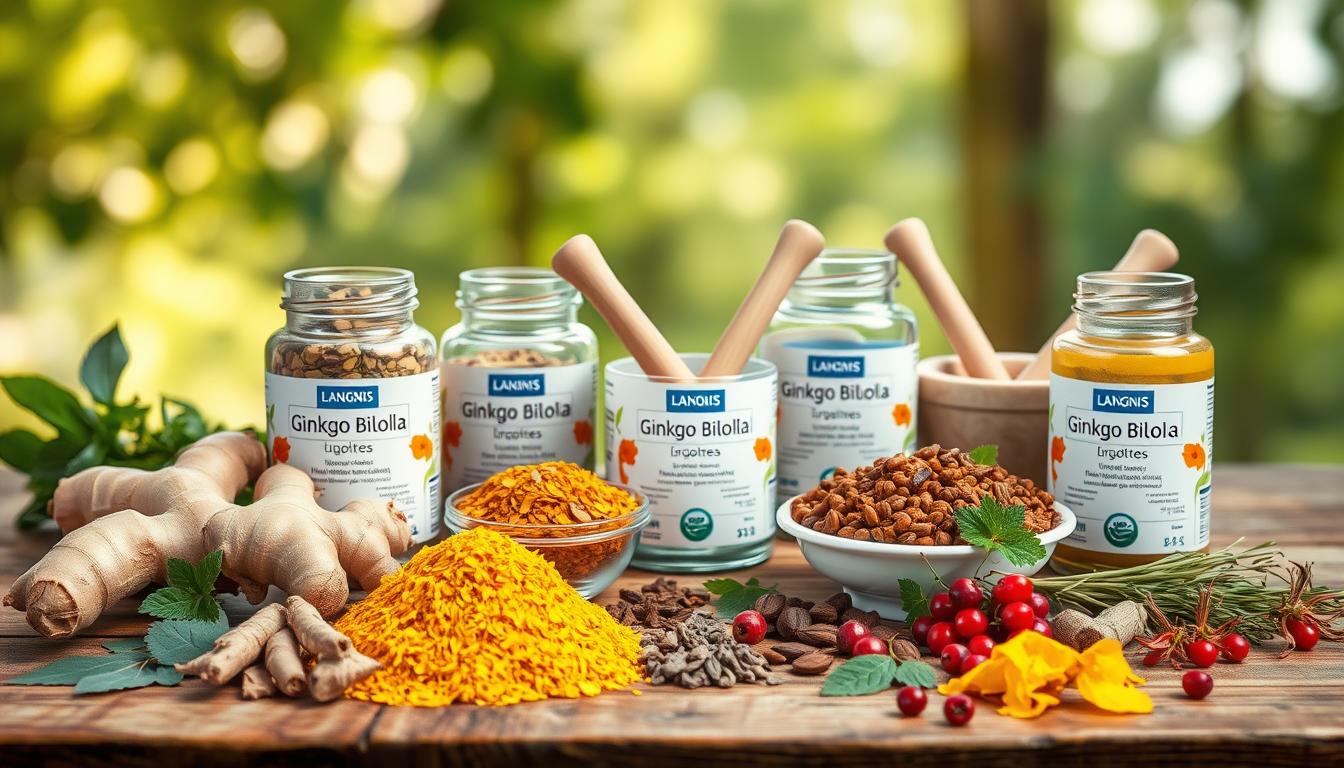
Evidence from study and research points to botanicals and foods that may also support insulin action, lipids, and vessel function. Water‑soluble cinnamon extract, ginkgo, berberine, banaba, bitter melon, ginger, and milk thistle are often discussed for metabolic and circulatory benefits.
LANGNIS is introduced here as a natural option Filipinos may also consider alongside lifestyle steps. It blends premium herbs and is processed for faster absorption to help control blood sugar and relieve symptoms. Composition per serving: Alyxiae Renwardtii Cortex 800mg; Alstoniae Scholatidis Cortex 1200mg; Andrtxraphis Paniculata Herba 800mg; Syzygii Cumini Semen 200mg.
This guide will show practical, safe ways to support healthy blood flow, glucose levels, and pressure while working with your healthcare team.
List of contents:
- Why Circulation Matters in Diabetes Today
- Herbal Remedies to Improve Circulation in Diabetics
- Spotlight on LANGNIS: A Natural Option Supporting Blood Sugar and Circulation
- Foods That Naturally Boost Blood Flow for People with Diabetes
- How to Build a Circulation-Friendly Routine
- Safety First: Interactions, Dosages, and Quality
- Keyword-Rich Mini Guide: Benefits, Effects, and Research Insights
- Conclusion
- FAQ
- What circulation problems are common for people with diabetes?
- Can cinnamon extract help with insulin sensitivity and lipid levels?
- Is there evidence that evening primrose oil improves blood flow or nerve function?
- How does Ginkgo biloba interact with diabetes medicines like metformin?
- What is banaba and how might it help blood sugar control?
- How does berberine compare to prescription medications for metabolic control?
- Can bitter melon lower fasting blood glucose?
- Does ginger help with blood sugar and blood pressure?
- What are the circulation-related benefits of milk thistle (silymarin)?
- What is LANGNIS and how does it support blood sugar and flow?
- How might better glucose control improve blood flow?
- Which foods most help vascular relaxation and nitric oxide production?
- Are omega-3s and flavonoid-rich fruits useful for circulation?
- What daily habits most improve blood circulation for people with diabetes?
- Are there safety concerns when combining supplements with diabetes drugs?
- How do I choose a high-quality supplement product?
- What does research say about cinnamon, ginger, and banaba together?
- Can supplements reduce the risk of diabetes complications?
- Related posts:
- Exploring Herbal Formulas for Long-Term Diabetes Prevention
- Herbal Medicine for Diabetes in Davao City
- Effective Home Remedy For High Sugar Control
Key Takeaways
- Better blood flow supports heart, nerves, and daily health for people with diabetes.
- Some botanicals have research-backed metabolic effects that may aid circulation.
- LANGNIS is offered as a locally relevant, fast-absorption herbal option.
- This article focuses on safe, practical steps—food, movement, and vetted supplements.
- Work with your healthcare team to tailor choices by type of diabetes and current therapies.
Why Circulation Matters in Diabetes Today
High blood sugar quietly changes how blood moves, raising risks for the heart, nerves, and overall health.
Chronic elevated glucose damages vessel linings and thickens blood. That harms endothelial function and reduces blood flow to the body’s tissues. Over time, this raises the chance of heart disease and vascular disease.
Limited circulation and shifts in pressure can worsen neuropathy. Many people with diabetes report pain, numbness, cramps, and cold feet or hands. Poor flow also slows wound healing and increases risk of long-term complications.
- High glucose injures vessel walls, making flow less efficient and raising heart risks.
- Impaired vasodilation cuts oxygen and nutrient delivery, which hampers healing.
- Diet and targeted supplements may support healthier vessel tone and blood levels.
Early attention helps. Better perfusion supports nerve health, mobility, and comfort. Natural support like LANGNIS can fit into a broader plan with diet, activity, and blood pressure and lipid control.
Herbs and supplements do not replace clinical care. Use them as part of a comprehensive approach and track glucose, pressure, and symptoms so you can see real changes and reduce risk of complications.
Herbal Remedies to Improve Circulation in Diabetics
Clinical trials and lab work highlight certain extracts that can support glucose handling and microvascular function.
Summary of key extracts and what research shows:
- Cinnamon extract: Water‑soluble cinnamon extract has shown improved insulin sensitivity and lower glucose and cholesterol in type 2 diabetes. Use extract forms to avoid coumarin exposure.
- Evening primrose oil: Gamma‑linolenic acid demonstrated improved blood flow and nerve function in diabetic models, which may ease neuropathy symptoms.
- Ginkgo biloba: When added to metformin, ginkgo extract improved outcomes in patients in a randomized trial, suggesting a useful adjuvant effect.
- Banaba: Popular in the Philippines, banaba boosts insulin action via compounds like lagerstroemin and supports endothelial responsiveness.
- Berberine, bitter melon, ginger, milk thistle: Berberine showed glucose and lipid control comparable to medication in meta‑analysis. Bitter melon lowered fasting glucose in a 12‑week study. Ginger reduced fasting sugar and helped lipids in limited trials. Milk thistle cut insulin resistance and improved liver markers.
How they fit with a product like LANGNIS: These extracts can complement a broader plan that includes LANGNIS, diet, and activity. Coordinate doses with your care team so supplements support treatment goals without interactions.
Spotlight on LANGNIS: A Natural Option Supporting Blood Sugar and Circulation
A focused supplement such as LANGNIS aims to combine traditional extracts with modern processing for faster absorption.
What is LANGNIS and how it’s processed for faster absorption
LANGNIS is a herbal medicine designed for patients managing diabetes symptoms. It uses advanced extraction and formulation steps so active compounds enter the bloodstream more quickly.
Composition and traditional roles
The blend includes Alyxiae Renwardtii Cortex (Pulasari) 800mg, Alstoniae Scholatidis Cortex (Pulai) 1200mg, Andrographis Paniculata Herba (Sambiloto) 800mg, and Syzygium cumini Semen (Duwet) 200mg.
Sambiloto and Duwet have long roles in Southeast Asian practice for glycemic support and complementary metabolic effects.
How controlling blood sugar may support better blood flow
Lowering high glucose reduces glycation of vessel walls, which helps endothelial function and eases pressure on the heart.
As blood levels stabilize, people often report steadier energy and fewer circulation-related symptoms—important benefits when a treatment plan aims to protect heart and vessel health.
- Use as an addition: Take LANGNIS per label and track your response alongside prescribed medications.
- Combine with lifestyle: Movement, balanced meals, and stress care help maximize positive effects on flow and blood flow.
- Quality matters: Premium sourcing and consistent content improve predictability when mixing supplements and prescriptions.
Foods That Naturally Boost Blood Flow for People with Diabetes
Everyday foods can quietly help widen vessels, ease pressure, and support steady blood levels.
Garlic, onions, and tomatoes offer sulfur compounds and ACE‑modulating components. These help vessels relax and may lower blood pressure while supporting heart resilience.
Beets, leafy vegetables, and pomegranate supply natural nitrates and polyphenols. That combination boosts nitric oxide, which directly aids blood flow and can help lower pressure during daily activity.

- Citrus and berries: Flavonoids keep arteries flexible and add antioxidant support for vessel health.
- Fatty fish (salmon, mackerel): Omega‑3s promote vasodilation and reduce clotting risk, helping the heart and cholesterol profile.
- Turmeric and ginger: Curcumin and ginger have shown benefits for regional blood flow and pressure control in short trials.
- Cayenne: A little capsaicin warms extremities and supports vasodilation for hands and feet.
- Fiber‑rich sides: Leafy greens, beans, and whole grains steady glucose and lipid levels, which improves long‑term flow.
- Colorful produce: Antioxidant foods reduce oxidative stress that stiffens vessels and impairs blood movement.
“Small, consistent food choices can make daily circulation feel better while you work on steadying glucose and pressure.”
Practical addition: Pair these foods with a supplement routine like LANGNIS for complementary support. Aim for twice‑weekly fatty fish, daily vegetables, and spices like turmeric or ginger in broths or stews to help maintain better flow.
How to Build a Circulation-Friendly Routine
Small, consistent habits can boost blood movement, ease pressure on the heart, and help people with diabetes feel better each day.
Exercise and movement habits that improve blood flow
Aim for regular moderate exercise. Walking, light cycling, or swimming most days helps stimulate blood flow and supports heart strength without stressing the body.
Take short movement breaks—2 to 3 minutes every 30 to 60 minutes—especially when you sit for work. These simple pauses keep flow moving through legs and feet.
Add two weekly sessions of resistance or body‑weight work to support vessel function and help manage weight that favors circulation.
Stress reduction, hydration, and weight management
Lower stress and stay hydrated. Deep breathing or brief mindfulness lowers pressure and prevents vessel tightening. Drinking regularly keeps blood volume optimal for circulation.
Build a steady sleep routine and focus on gradual weight goals; both help the heart and support better blood flow over time.
- Aim for walking or light aerobic exercise most days.
- Break long sitting periods with short activity every 30–60 minutes.
- Do resistance training twice weekly to protect vessels and weight.
- Practice breathing or mindfulness to reduce pressure spikes.
- Hydrate and prioritize sleep to help recovery and steady blood.
Pair these habits with a product like LANGNIS for people who want an herbal option with faster absorption. Track simple vitals—steps, pressure, and morning glucose—to see real changes. Work gradually; consistency, not intensity, yields the best long‑term gains.
Safety First: Interactions, Dosages, and Quality
Careful review and clear communication with your clinician make using supplements safer and more effective.
Talk with a healthcare professional before starting anything new
Discuss any new product if you take medications for diabetes, blood thinners, or pressure control. Herbs and extracts can change how a drug works, raising the risk of side effects or altered blood levels.
The ADA notes no clear evidence that herbs alone replace standard care for this disease. Ask a clinician to align dosing with your treatment plan and to monitor glucose and pressure.
Choose high-quality, tested products and avoid fillers

Pick brands with transparent testing and clear content labels. The FDA does not fully regulate supplements, so product quality and fillers vary. LANGNIS uses 100% genuine, premium herbs and complies with local law, which lowers risk and improves predictability.
- Talk about interactions with your clinician if you take medications for diabetes, blood thinners, or pressure drugs.
- Start low and go slow; monitoring helps prevent complications.
- Prefer standardized extracts (for example, water‑soluble cinnamon) that match study forms and expected effects.
- Use reviews and small studies as guidance but rely on professional advice for safe integration into treatment.
Safe use keeps the focus on health gains—watch blood markers, heart comfort, and symptoms with periodic review.
Keyword-Rich Mini Guide: Benefits, Effects, and Research Insights
Clinical research offers a clear map of what works and what needs more study for blood markers and vessel health.
Studies and reviews: what researchers found about cinnamon, ginger, and banaba
Study found that water‑soluble cinnamon extract improved insulin sensitivity and select lipid levels in type 2 patients. Other small studies reported ginger lowered fasting glucose and HbA1c.
Researchers also note banaba boosts insulin action and fits local practice in the Philippines. Review articles highlight berberine’s comparable effects to metformin and ginkgo’s adjuvant benefit with metformin.
Improving blood flow and blood pressure while helping reduce blood glucose levels
Nitrates and polyphenols from beets, pomegranate, and leafy greens raise nitric oxide. That supports improving blood flow and helps maintain healthy blood pressure.
Supplements vs. medicine: complementary treatment to lower risk of complications
- Balance matters: Medicine remains central; supplements serve as an addition when guided by a clinician.
- Start simple: Improve diet and movement first, then try one targeted supplement while monitoring levels.
- Track results: Expect benefits over weeks—steadier blood, better pressure control, and easier circulation.
Researchers continue to refine doses and extract forms, so professional guidance helps turn study results into safe, practical gains.
Conclusion
Small, consistent actions each day can change how blood moves and ease common symptoms for people with diabetes.
Key takeaway: Better blood flow starts with food rich in nitrates, polyphenols, omega‑3s, regular exercise, and targeted supplements that support heart and vessel health.
Work with your clinician so supplements fit safely with medications. A product like LANGNIS—made from 100% genuine, premium herbs and processed for faster absorption—can be added while you track glucose, pressure, and symptoms.
Studies show gradual effects: improved flow, lower cholesterol and pressure, and steadier blood levels over weeks. Individual responses vary, so record simple markers and adjust with your care team.
Start with one change this week—a nitrate-rich salad and a short daily walk. Thank you for reading; share this guide with friends or family managing type 2 diabetes and take one small step toward warmer, more comfortable circulation.
FAQ
What circulation problems are common for people with diabetes?
High blood sugar can damage small blood vessels and nerves, leading to poor blood flow in the feet and hands, slower wound healing, numbness, pain, and increased risk of heart disease. Managing glucose, blood pressure, and cholesterol helps reduce these risks.
Can cinnamon extract help with insulin sensitivity and lipid levels?
Some clinical reviews show cinnamon extract may modestly improve fasting glucose and certain lipid markers. Effects vary by dose and extract type, so it’s best used alongside proven lifestyle changes and under a clinician’s guidance.
Is there evidence that evening primrose oil improves blood flow or nerve function?
Research is limited but suggests evening primrose oil might support nerve health for some individuals. Results are mixed, and high-quality trials are scarce. Discuss use with a provider, especially if taking blood-thinning drugs.
How does Ginkgo biloba interact with diabetes medicines like metformin?
Ginkgo biloba has been studied as an adjunct to standard care and may help with peripheral circulation and cognitive symptoms. It can increase bleeding risk when combined with antiplatelet or anticoagulant drugs, so consult your prescriber before combining it with other treatments.
What is banaba and how might it help blood sugar control?
Banaba (Lagerstroemia speciosa) is a traditional plant used in the Philippines and elsewhere for glucose support. Some studies indicate it may enhance insulin action and lower fasting glucose, but results are variable and more research is needed.
How does berberine compare to prescription medications for metabolic control?
Berberine has shown effects on glucose and lipids similar to metformin in some trials, improving insulin sensitivity and lowering A1c modestly. However, dosing, purity, and long-term safety differ from prescription drugs; use only with medical oversight.
Can bitter melon lower fasting blood glucose?
Bitter melon contains compounds that may reduce fasting glucose in some people. Evidence is mixed, and benefits are usually modest. It should not replace prescribed therapy and needs monitoring to avoid hypoglycemia when used with glucose-lowering medications.
Does ginger help with blood sugar and blood pressure?
Several studies suggest ginger can lower fasting glucose and have mild blood pressure–supporting effects. It also offers anti-inflammatory and antioxidant actions that may indirectly help circulation. Monitor interactions with blood-thinning or antihypertensive drugs.
Milk thistle is an antioxidant and anti-inflammatory supplement that may protect liver function and support metabolic health. Improved liver health can contribute to better glucose regulation and indirectly benefit vascular health.
What is LANGNIS and how does it support blood sugar and flow?
LANGNIS is a marketed natural option formulated for faster absorption, combining plant extracts traditionally used for metabolic support. Claims focus on helping maintain healthy glucose levels and supporting circulation, but verify ingredients, dosing, and clinical data before use.
How might better glucose control improve blood flow?
Lowering chronic glucose reduces damage to small vessels and nerves, decreases inflammation, and improves endothelial function. Together these changes promote healthier blood flow and reduce risk of complications.
Which foods most help vascular relaxation and nitric oxide production?
Foods like garlic, onions, tomatoes, beets, leafy greens, and pomegranate supply nitrates, polyphenols, and bioactive compounds that support nitric oxide, vasodilation, and artery flexibility. Regular intake as part of a balanced diet helps circulation.
Are omega-3s and flavonoid-rich fruits useful for circulation?
Yes. Fatty fish provide omega-3s that reduce clotting and support vasodilation. Citrus fruits and berries offer flavonoids that improve endothelial function and arterial flexibility, aiding healthy blood pressure and flow.
What daily habits most improve blood circulation for people with diabetes?
Regular moderate exercise, breaking up long sitting periods, weight management, staying hydrated, stress reduction (like breathing or mindfulness), and following prescribed medications all enhance circulation and metabolic health.
Are there safety concerns when combining supplements with diabetes drugs?
Yes. Several supplements can potentiate glucose-lowering effects or interact with blood thinners and blood pressure medicines. Always tell your healthcare professional about supplements, check dosages, and monitor glucose closely when starting new products.
How do I choose a high-quality supplement product?
Look for third-party testing (USP, NSF, or ConsumerLab), clear ingredient lists, standardized extracts, transparent dosing, and avoidance of fillers or undisclosed additives. Buy from reputable brands and retailers.
What does research say about cinnamon, ginger, and banaba together?
Reviews find modest benefits for glucose and some lipid markers from these botanicals, but study quality and formulations vary. Combined use may offer additive effects, yet robust, long-term trials are limited. Use them as complementary measures, not replacements for prescribed care.
Can supplements reduce the risk of diabetes complications?
Some supplements may lower certain risk factors (fasting glucose, lipids, inflammation), which can help reduce complication risk over time. The strongest protection comes from comprehensive care: medication adherence, diet, exercise, and regular medical follow-up.