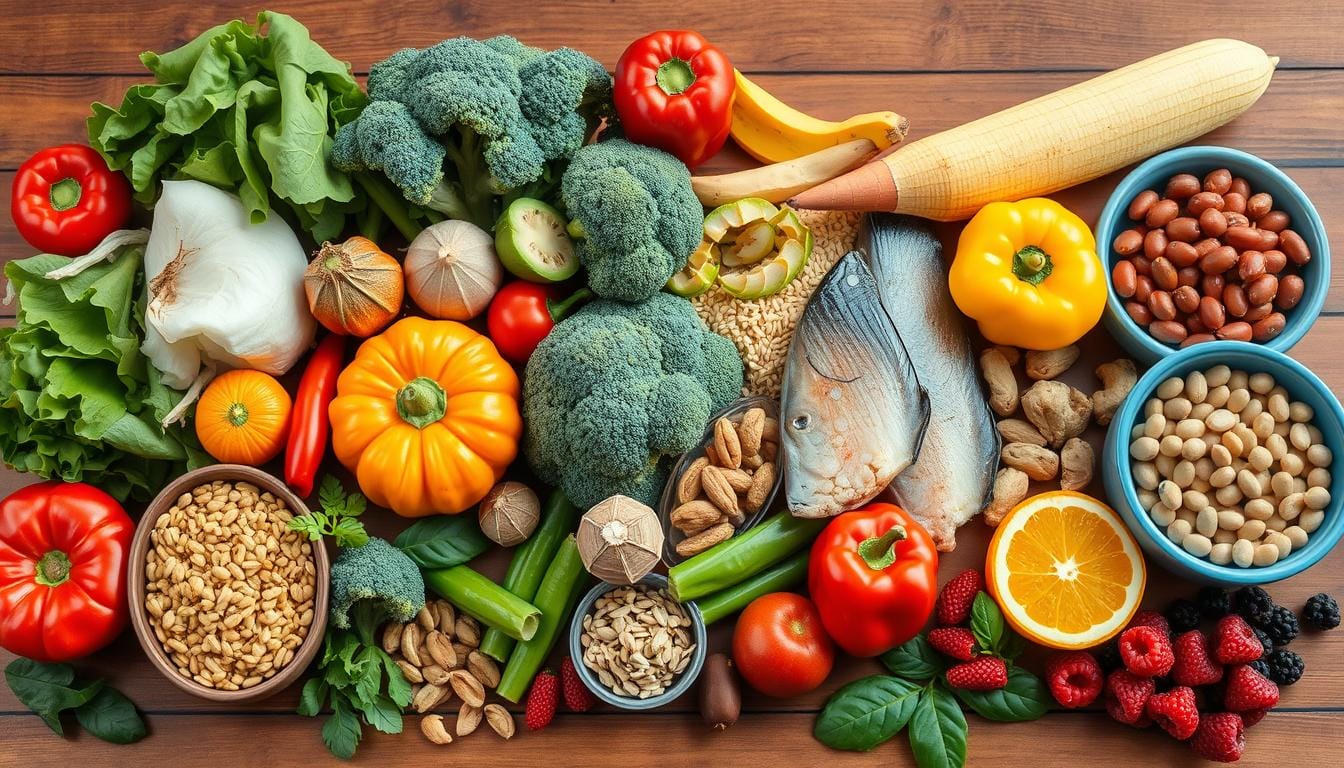
A balanced diet rich in vegetables, whole grains, and lean proteins forms the foundation of healthy eating habits to prevent diabetes mellitus
List of contents:
- Understanding Glycemic Index & Food Choices
- 7 Essential Nutrients for Blood Sugar Control
- Sample ASEAN-Friendly Weekly Meal Plan
- Traditional Herbs vs Modern Supplements
- 5 Shopping Tips for Diabetes Prevention
- 3 Cooking Methods to Preserve Nutrients
- Practical Implementation of healthy eating habits to prevent diabetes mellitus
- Natural Support for Blood Sugar Management: LANGNIS
- Conclusion: Your Journey to Healthier Blood Sugar
- Herbal Infusions to Support Healthy Insulin Sensitivity
- Combining Modern Nutrition with Herbal Diabetes Solutions
- Best Herbal Teas to Lower Blood Sugar Naturally
Understanding Glycemic Index & Food Choices
The glycemic index (GI) is a valuable tool for making food choices that help prevent diabetes mellitus. It measures how quickly foods containing carbohydrates raise blood glucose levels. Foods with a high GI value are rapidly digested and cause significant spikes in blood sugar, while low GI foods are digested more slowly, producing a gradual rise in blood glucose.
Choosing low GI foods helps maintain stable blood sugar levels
Low GI Foods to Prioritize
- Non-starchy vegetables like leafy greens, broccoli, and peppers
- Whole grains such as brown rice, quinoa, and whole grain bread
- Legumes including chickpeas, lentils, and black beans
- Most fruits, especially berries, apples, and citrus fruits
- Nuts and seeds like walnuts, chia seeds, and flaxseeds
- Dairy products such as yogurt with live cultures
High GI Foods to Limit
- White rice (a staple in many ASEAN diets that can be replaced with brown rice)
- White bread, crackers, and processed grain products
- Sugary beverages including soda and fruit juices
- Sweets, candies, and desserts with added sugars
- Processed snack foods like chips and cookies
“The key to preventing diabetes is not eliminating carbohydrates entirely, but choosing the right types and managing portion sizes.”
7 Essential Nutrients for Blood Sugar Control
Certain nutrients play crucial roles in maintaining healthy blood sugar levels and preventing diabetes mellitus. Incorporating foods rich in these nutrients into your daily diet can significantly reduce your risk of developing this condition.
1. Fiber
Dietary fiber, especially soluble fiber, slows digestion and helps prevent blood sugar spikes after meals. The Centers for Disease Control and Prevention recommends 25-30 grams of fiber daily.
Best sources: Beans, oats, barley, fruits with edible skins, and vegetables
2. Healthy Fats
Monounsaturated and polyunsaturated fats improve insulin sensitivity and reduce inflammation. They also help you feel full longer, preventing overeating.
Best sources: Avocados, olive oil, fatty fish, nuts, and seeds
3. Lean Protein
Protein helps stabilize blood sugar levels and promotes satiety without significantly impacting glucose levels.
Best sources: Fish, skinless poultry, tofu, tempeh, and legumes
4. Magnesium
This mineral plays a key role in glucose metabolism and insulin function. Magnesium deficiency has been linked to increased diabetes risk.
Best sources: Dark leafy greens, nuts, seeds, and whole grains
5. Chromium
Chromium enhances insulin’s action in the body, improving glucose tolerance and helping cells use glucose more efficiently.
Best sources: Whole grains, broccoli, green beans, and nuts
6. Antioxidants
Antioxidants combat oxidative stress, which contributes to insulin resistance and diabetes progression.
Best sources: Colorful fruits and vegetables, especially berries, citrus fruits, and dark leafy greens
7. Vitamin D
Research suggests that vitamin D plays a role in glucose metabolism and insulin sensitivity.
Best sources: Fatty fish, egg yolks, fortified foods, and moderate sun exposure
A balanced plate featuring foods rich in the 7 essential nutrients for blood sugar control
Sample ASEAN-Friendly Weekly Meal Plan
Adapting diabetes prevention strategies to local cuisines makes healthy eating more sustainable and enjoyable. This weekly meal plan incorporates traditional ASEAN ingredients while following principles that help prevent diabetes mellitus.
| Day | Breakfast | Lunch | Dinner | Snacks |
| Monday | Overnight oats with chia seeds and fresh mango | Brown rice with steamed fish and kangkong (water spinach) | Tofu and vegetable stir-fry with minimal oil | A small handful of unsalted nuts |
| Tuesday | Whole grain toast with avocado and boiled egg | Chicken soup with plenty of vegetables and brown rice noodles | Grilled fish with steamed vegetables and a small portion of brown rice | Fresh papaya slices |
| Wednesday | Unsweetened yogurt with fresh berries and a sprinkle of nuts | Bean and vegetable salad with olive oil dressing | Vegetable curry with tofu (using minimal coconut milk) | Cucumber slices with hummus |
| Thursday | Vegetable omelet with a slice of whole grain bread | Quinoa bowl with grilled chicken and mixed vegetables | Clear soup with seafood and vegetables | A small apple with a teaspoon of nut butter |
| Friday | Whole grain congee with lean protein and vegetables | Grilled chicken salad with plenty of leafy greens | Steamed fish with herbs, vegetables, and a small portion of brown rice | A small handful of edamame |
| Saturday | Smoothie with spinach, berries, and unsweetened yogurt | Vegetable soup with beans and a small whole grain roll | Grilled lean meat with stir-fried vegetables | Fresh orange slices |
| Sunday | Whole grain pancakes topped with fresh fruit (no syrup) | Baked fish with herbs and roasted vegetables | Vegetable and bean stew with a small portion of brown rice | Carrot and cucumber sticks |

ASEAN-friendly meals emphasizing vegetables, lean proteins, and controlled portions of complex carbohydrates
Meal Planning Tips: Focus on portion control, especially with carbohydrates. Use smaller plates, fill half your plate with non-starchy vegetables, one-quarter with lean protein, and one-quarter with whole grains or starchy vegetables. Drink water instead of sugary beverages with meals.
Traditional Herbs vs Modern Supplements
ASEAN countries have a rich history of using traditional herbs for managing blood sugar levels. Modern research is now validating many of these traditional practices, showing how certain herbs can help prevent diabetes mellitus when used alongside healthy eating habits.

Traditional ASEAN herbs have been used for centuries to support healthy blood sugar levels
| Herb/Supplement | Traditional Use | Modern Research Findings | How to Use |
| Bitter Melon (Momordica charantia) | Used in many ASEAN countries to lower blood sugar | Contains compounds that act similar to insulin; may help improve glucose tolerance | Can be consumed as food (in curries, stir-fries) or as tea |
| Cinnamon | Used to improve digestion and blood circulation | May improve insulin sensitivity and lower fasting blood glucose | Add to foods or beverages; available as supplements |
| Fenugreek | Used in traditional medicine for diabetes management | Seeds contain fiber that may slow carbohydrate digestion and absorption | Seeds can be soaked and consumed or added to dishes |
| Turmeric | Used for its anti-inflammatory properties | Curcumin may help improve insulin sensitivity and reduce inflammation | Add to cooking or consume as tea with black pepper to enhance absorption |
| Holy Basil (Tulsi) | Used in Ayurvedic medicine for various conditions | May help lower blood glucose and protect against complications | Can be consumed as tea or added fresh to dishes |
| Pulasari (Alyxia reinwardtii) | Used in Indonesian traditional medicine | May have blood glucose-lowering properties | Traditionally used in herbal preparations |
Important: Always consult with a healthcare professional before using herbs or supplements, especially if you are taking medications. These should complement, not replace, conventional medical care and healthy lifestyle practices.
5 Shopping Tips for Diabetes Prevention
Smart shopping is the foundation of healthy eating habits to prevent diabetes mellitus. Here are practical tips to help you make better choices at ASEAN markets and grocery stores:

Mindful shopping helps you stock your kitchen with diabetes-friendly foods
- Shop the perimeter first: Fresh produce, lean proteins, and dairy are usually located around the edges of stores. These whole foods should form the foundation of your diet.
- Read nutrition labels carefully: Look for products with lower added sugars, higher fiber content, and fewer processed ingredients. In ASEAN markets, be aware that labeling standards may vary by country.
- Choose whole foods over processed options: Whole foods generally have a lower glycemic index and provide more nutrients than their processed counterparts.
- Buy seasonal produce: Seasonal fruits and vegetables are not only more affordable but often contain more nutrients. Local ASEAN markets offer a variety of fresh, seasonal options.
- Prepare a shopping list: Plan your meals ahead and stick to your list to avoid impulse purchases of less healthy options.
How to Read Nutrition Labels in ASEAN Markets
Nutrition labeling can vary across ASEAN countries, but here are some universal tips:
- Check serving sizes: All nutritional information is based on serving size, which may differ from what you actually consume.
- Look for total carbohydrates: This includes starches, fibers, and sugars that affect blood glucose.
- Check fiber content: Higher fiber foods generally have less impact on blood sugar.
- Identify added sugars: These may be listed separately or included in total sugars. Look for terms like sucrose, glucose, fructose, corn syrup, or fruit juice concentrate in the ingredients list.
- Be aware of health claims: Terms like “diabetic-friendly” or “sugar-free” don’t necessarily mean a product is healthy or won’t affect blood sugar.

Understanding nutrition labels helps you make informed choices for diabetes prevention
3 Cooking Methods to Preserve Nutrients
How you prepare food is just as important as what you eat when it comes to preventing diabetes mellitus. Certain cooking methods help preserve nutrients and maintain the glycemic index of foods.
1. Steaming
Steaming vegetables, fish, and lean meats preserves nutrients that might be lost in boiling. It also requires no added fats, making it an excellent cooking method for diabetes prevention.
Tip: Add herbs and spices for flavor without adding sodium or calories.

2. Stir-Frying
Quick cooking over high heat with minimal oil preserves nutrients and texture. Use a small amount of healthy oils like olive or avocado oil.
Tip: Cut vegetables uniformly for even cooking and use a non-stick wok to reduce the amount of oil needed.

3. Grilling
Grilling allows fat to drip away from meat, reducing calorie content. It also adds flavor without extra sauces or oils.
Tip: Marinate meats in herbs, spices, and a small amount of acid (like lime juice) instead of sugar-based marinades.

Cooking Tip: Avoid deep-frying, which adds unnecessary calories and can create compounds that increase inflammation. Instead, try air-frying as a healthier alternative that provides a similar texture with significantly less oil.
Practical Implementation of healthy eating habits to prevent diabetes mellitus
Adopting healthy eating habits to prevent diabetes mellitus requires more than just knowledge—it needs practical implementation in daily life. Here are strategies to help you maintain these habits consistently:

Making healthy eating a family affair increases success and sustainability
Portion Control Strategies
- Use smaller plates and bowls to create the illusion of fuller portions
- Follow the plate method: fill half your plate with non-starchy vegetables, one-quarter with lean protein, and one-quarter with whole grains
- Use your hand as a measuring tool: a palm-sized portion for protein, a fist for vegetables, a cupped hand for grains
- Wait 20 minutes before taking seconds to allow your body to register fullness
- Pre-portion snacks rather than eating directly from packages
Managing Eating Out
- Review menus online before visiting restaurants to plan your choices
- Ask for sauces and dressings on the side
- Choose dishes that are steamed, grilled, or roasted instead of fried
- Request substitutions like extra vegetables instead of rice or potatoes
- Share dishes or take half your meal home for later
How quickly can dietary changes impact blood sugar levels?
Some people notice improvements in blood sugar levels within days of making dietary changes, while others may take weeks to see significant results. Consistency is key—maintaining healthy eating habits over time leads to the most substantial and sustainable benefits for diabetes prevention.
Can I still enjoy traditional ASEAN foods while preventing diabetes?
Yes! Many traditional ASEAN dishes are naturally rich in vegetables, lean proteins, and herbs that support healthy blood sugar levels. Consider making small modifications like using brown rice instead of white, reducing added sugars, controlling portion sizes of carbohydrates, and incorporating more vegetables into traditional recipes.
Is it necessary to completely eliminate sugar to prevent diabetes?
Complete elimination isn’t necessary, but moderation is important. The World Health Organization recommends limiting added sugars to less than 10% of your total daily calories, ideally less than 5%. Natural sugars found in whole fruits are generally fine when consumed as part of a balanced diet, as they come packaged with fiber and other beneficial nutrients.
Natural Support for Blood Sugar Management: LANGNIS
While healthy eating habits form the foundation of diabetes prevention, some individuals may benefit from additional support, especially those already diagnosed with diabetes mellitus. LANGNIS offers a natural, traditional approach to blood sugar management based on Indonesian herbal wisdom.

LANGNIS combines traditional Indonesian herbs with modern processing technology
LANGNIS: Traditional Wisdom, Modern Science
LANGNIS is an herbal medicine consisting of carefully selected Indonesian herbs that help relieve the symptoms of diabetes. Made from 100% genuine herbs of premium quality, LANGNIS is processed with advanced technology for enhanced bioavailability, allowing it to work more effectively in controlling blood sugar levels.
| Herbal Component | Amount | Traditional Benefits |
| Alyxiae Renwardtii Cortex (Pulasari) | 800mg | Supports healthy blood circulation and metabolism |
| Alstoniae Scholatidis Cortex (Pulai) | 1200mg | Traditionally used to help regulate blood sugar levels |
| Andrtxraphis Paniculata Herba (Sambiloto) | 800mg | Known for its bitter principles that may help manage blood glucose |
| Syzygii Cumini Semen (Biji Duwet) | 200mg | Traditionally used to support pancreatic function and insulin activity |
Important Note: LANGNIS is intended for individuals already diagnosed with diabetes mellitus. It should be used as a complementary approach alongside proper medical care, not as a replacement for prescribed medications or healthy lifestyle practices. Always consult with your healthcare provider before starting any supplement.
Conclusion: Your Journey to Healthier Blood Sugar
Preventing diabetes mellitus through healthy eating habits is a journey that combines knowledge, planning, and consistent action. By understanding the glycemic index, incorporating essential nutrients, planning ASEAN-friendly meals, and implementing practical strategies, you can significantly reduce your risk of developing this condition.
Remember that small, sustainable changes often lead to the most significant long-term benefits. Start by implementing one or two strategies from this guide, then gradually incorporate more as they become habits. Whether through dietary modifications alone or with the support of traditional herbs like those found in LANGNIS, taking proactive steps today can help ensure better health tomorrow.

Taking control of your eating habits today can lead to a healthier tomorrow
“Life doesn’t always give you the time to change the outcome. Prediabetes does.”