List of contents:
- Understanding Metabolic Syndrome and Diabetes
- The Rich Tradition of Indonesian Herbal Medicine
- Key Indonesian Herbs for Diabetes Management
- Langnis: Modern Formulation of Traditional Wisdom
- Scientific Evidence Supporting Indonesian Herbs for Diabetes
- How to Use Langnis Effectively
- Integrating Langnis with Lifestyle Modifications
- Frequently Asked Questions About Langnis
- Success Stories from Langnis Users
- Embracing Natural Solutions for Metabolic Health
- Natural Diabetes Prevention and Management: Lifestyle Tips and Herbal Solutions for ASEAN Adults
- Early Symptoms Diabetes: Recognize the Signs and Take Action Naturally
- Gestational Diabetes: What You Need to Know for a Safe Pregnancy
Understanding Metabolic Syndrome and Diabetes
Metabolic syndrome is characterized by a combination of at least three of the following conditions: central obesity, high blood pressure, elevated blood sugar, abnormal cholesterol levels, and increased triglycerides. When these conditions occur together, they dramatically increase your risk of developing type 2 diabetes mellitus, heart disease, and stroke.
The link between metabolic syndrome and diabetes is particularly strong. Insulin resistance – where cells don’t respond properly to insulin – is a key feature of both conditions. In Southeast Asia, where dietary patterns have shifted toward higher calorie intake and lifestyles have become more sedentary, metabolic syndrome has become increasingly common, creating a diabetes epidemic across the region.
The Rich Tradition of Indonesian Herbal Medicine
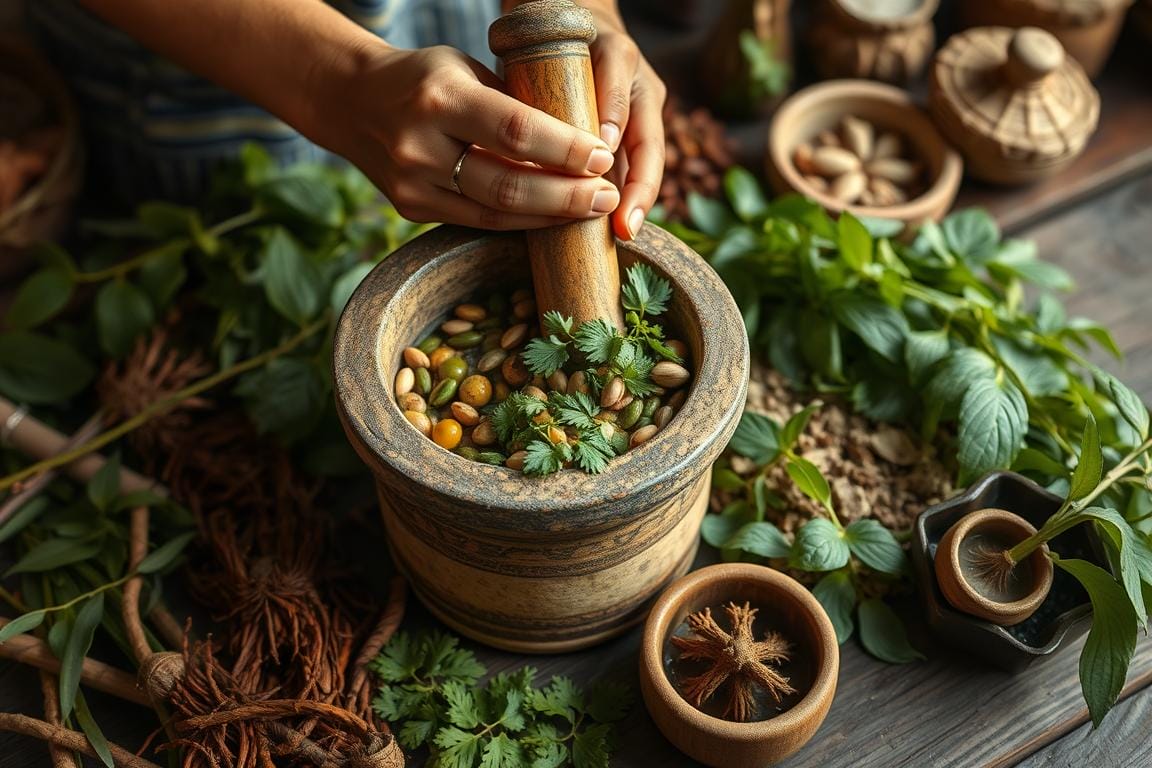
Indonesia’s traditional medicine system, known as “Jamu,” dates back centuries. This holistic approach to wellness uses the archipelago’s rich biodiversity to create natural remedies for various ailments, including blood sugar management. Jamu remains deeply integrated into Indonesian culture, with knowledge passed down through generations.
What makes Indonesian herbs for diabetes particularly valuable is their multi-target approach. Unlike many pharmaceutical drugs that focus on a single mechanism, these herbs often contain multiple bioactive compounds that work through different pathways to regulate blood glucose levels, improve insulin sensitivity, and protect pancreatic cells from damage.
Traditional Jamu preparation using medicinal plants that have been used for generations
Key Indonesian Herbs for Diabetes Management
Indonesia’s biodiversity provides a wealth of medicinal plants with proven antidiabetic properties. Modern research has validated many traditional herbs, identifying their active compounds and mechanisms of action. Here are the most significant Indonesian herbs for diabetes management:
Sambiloto (Andrographis paniculata)

Sambiloto (Andrographis paniculata) contains andrographolide, a powerful antidiabetic compound
Known as the “King of Bitters,” Sambiloto contains andrographolide, a compound with remarkable glucose-regulating properties. Research published in the Journal of Ethnopharmacology demonstrates that Sambiloto:
- Stimulates insulin secretion from pancreatic β-cells
- Enhances glucose uptake in skeletal muscle cells
- Reduces glucose absorption in the intestines
- Provides antioxidant protection against diabetes-related oxidative stress
Traditionally, Sambiloto is prepared as a bitter tea, but modern formulations include standardized extracts in capsules for more consistent dosing. The recommended amount in therapeutic formulations is typically 800-1200mg of dried herb daily.
Duwet (Syzygium cumini)

Duwet seeds contain powerful compounds that help regulate blood glucose levels
Also known as Java Plum or Jamun, Duwet’s seeds contain jamboline and mycaminose, which inhibit the conversion of starch to sugar. Clinical studies have shown that Duwet:
- Inhibits alpha-glucosidase and alpha-amylase enzymes, slowing carbohydrate digestion
- Improves insulin sensitivity in peripheral tissues
- Protects pancreatic β-cells from oxidative damage
- Reduces glycation of proteins, preventing diabetes complications
In traditional medicine, dried Duwet seeds are powdered and consumed with water. Modern preparations include standardized extracts containing 200-400mg of the active compounds. The seed powder is particularly effective when taken before meals to reduce post-prandial glucose spikes.
Pule (Alstonia scholaris)

Pule bark contains alkaloids that help regulate blood glucose metabolism
Pule bark contains alkaloids and flavonoids with significant hypoglycemic effects. Research in the Journal of Natural Products has demonstrated that Pule:
- Increases insulin production and release
- Improves glucose tolerance and utilization
- Reduces hepatic glucose production
- Provides anti-inflammatory effects that help reduce insulin resistance
Traditionally, Pule bark is boiled to make a decoction. The recommended therapeutic dose in modern formulations is typically 1000-1500mg of dried bark extract daily, divided into multiple doses for optimal effect.
Pulasari (Alyxia reinwardtii)

Pulasari bark contains compounds that help improve insulin sensitivity
Pulasari bark contains coumarins and phenolic compounds that contribute to its antidiabetic properties. Recent studies have shown that Pulasari:
- Enhances insulin receptor sensitivity
- Reduces oxidative stress in pancreatic tissue
- Helps regulate lipid metabolism, addressing a key component of metabolic syndrome
- Provides cardioprotective benefits, important for diabetic patients
In traditional Jamu, Pulasari is often combined with other herbs to enhance its effectiveness. Modern formulations typically include 600-900mg of standardized extract daily for blood sugar management.
Langnis: Modern Formulation of Traditional Wisdom

Langnis combines traditional Indonesian herbs in a standardized formula
Langnis represents the perfect marriage between ancient wisdom and modern science. This premium herbal formulation combines the four most effective Indonesian herbs for diabetes in precisely measured amounts, processed using advanced technology to enhance bioavailability and effectiveness.
| Herb | Scientific Name | Amount | Primary Action |
| Pulasari | Alyxiae Renwardtii Cortex | 800mg | Enhances insulin sensitivity |
| Pule | Alstoniae Scholatidis Cortex | 1200mg | Stimulates insulin production |
| Sambiloto | Andrographidis Paniculata Herba | 800mg | Increases glucose uptake |
| Duwet | Syzygii Cumini Semen | 200mg | Inhibits carbohydrate digestion |
What sets Langnis apart from traditional preparations is its standardized formulation. Each dose contains precisely measured amounts of active compounds, ensuring consistent results. The advanced extraction process preserves the full spectrum of beneficial compounds while removing impurities.
Unlike many herbal products, Langnis is produced under strict quality control standards, with each batch tested for potency and purity. The product is legally registered and certified, giving you confidence in its safety and efficacy.
Scientific Evidence Supporting Indonesian Herbs for Diabetes
The efficacy of Indonesian herbs for diabetes is increasingly supported by scientific research. A clinical study published in the Tropical Journal of Natural Product Research demonstrated that an Indonesian Anti-Hyperglycemic Herbal Formula significantly reduced fasting blood glucose levels in diabetic patients over a six-week period, performing comparably to metformin but with fewer side effects.
Clinical study results showing comparable efficacy between herbal formula and metformin
Another study published in Heliyon investigated the mechanisms behind these effects, finding that Jamu pahitan (a traditional Indonesian herbal formulation) stimulated glucose uptake in muscle cells and enhanced insulin secretion from pancreatic cells. The researchers identified several active compounds, including andrographolide from Sambiloto, that directly influenced these metabolic pathways.
Research from the National Center for Biotechnology Information has also highlighted the role of flavonoids found in Indonesian medicinal plants in managing diabetes. These compounds help neutralize free radicals, reduce inflammation, and improve insulin signaling pathways – addressing multiple aspects of diabetes pathophysiology simultaneously.
How to Use Langnis Effectively
Proper usage guidelines for optimal results with Langnis
Recommended Dosage
For adults with metabolic syndrome or type 2 diabetes:
- Take 1 capsule twice daily, preferably before meals
- Consume with a full glass of water
- For best results, maintain consistent daily use for at least 4-6 weeks
- Results may vary based on individual factors and severity of condition
Safety Considerations
Consult your healthcare provider before using Langnis if you:
- Are pregnant or breastfeeding
- Have liver or kidney disease
- Are taking blood-thinning medications
- Are currently using insulin or oral hypoglycemic drugs
While Langnis is generally well-tolerated, some individuals may experience mild digestive discomfort when first starting. This typically resolves within a few days as your body adjusts to the formula. Store in a cool, dry place away from direct sunlight to maintain potency.
Integrating Langnis with Lifestyle Modifications
For optimal results, Langnis should be part of a comprehensive approach to managing metabolic syndrome and preventing diabetes. Consider these complementary strategies:
Dietary Recommendations
- Reduce refined carbohydrates and added sugars
- Increase fiber intake through vegetables, fruits, and whole grains
- Choose healthy fats from sources like avocados, nuts, and olive oil
- Practice portion control to maintain healthy weight
Physical Activity
- Aim for at least 150 minutes of moderate exercise weekly
- Include both aerobic activities and strength training
- Start gradually if you’ve been inactive
- Consider traditional activities like tai chi or yoga that also reduce stress
A holistic approach combining Langnis with healthy lifestyle choices
Regular monitoring of blood glucose levels is essential to track your progress. Many users report seeing improvements within 2-3 weeks of consistent use, but individual results may vary. Keep a journal of your readings to share with your healthcare provider.
Frequently Asked Questions About Langnis
Can Langnis completely replace my diabetes medication?
Langnis is not intended to replace prescribed medications. It works best as a complementary approach to conventional treatment. Never discontinue prescribed medications without consulting your healthcare provider. Some patients may eventually reduce their medication dosage under medical supervision as their condition improves.
How long does it take to see results with Langnis?
Most users report noticeable improvements in blood glucose levels within 4-6 weeks of consistent use. However, individual results vary based on factors such as diet, exercise, severity of condition, and concurrent medications. For optimal results, use Langnis consistently as part of a comprehensive approach to metabolic health.
Are there any side effects associated with Langnis?
Langnis is generally well-tolerated. Some users may experience mild digestive discomfort when first starting, which typically resolves within a few days. The formula is designed to minimize the bitter taste associated with traditional preparations of these herbs. As with any supplement, individual sensitivities may vary.
Is Langnis suitable for prevention if I don’t have diabetes yet?
Yes, Langnis can be particularly valuable for those with metabolic syndrome or pre-diabetes. The herbs in Langnis help improve insulin sensitivity and glucose metabolism, which may help prevent progression to full diabetes. Combined with lifestyle modifications, it offers a proactive approach to metabolic health.
Success Stories from Langnis Users
“After three months of using Langnis alongside my doctor’s recommendations, my fasting blood sugar dropped from 165 to 118 mg/dL. I appreciate that it’s based on traditional herbs but formulated to modern standards.”
“I was diagnosed with metabolic syndrome last year. Since starting Langnis six months ago, my blood pressure and blood sugar have both improved significantly. I haven’t experienced any side effects unlike with some other supplements I tried.”
“As a healthcare professional, I was skeptical about herbal remedies. But the research behind these Indonesian herbs for diabetes is compelling. I’ve recommended Langnis to several patients with promising results, especially for those with early metabolic issues.”
Embracing Natural Solutions for Metabolic Health
The rising prevalence of metabolic syndrome and diabetes across ASEAN countries presents a significant health challenge. However, the rich tradition of Indonesian herbal medicine offers valuable solutions that are increasingly validated by modern science. The herbs in Langnis – Sambiloto, Duwet, Pule, and Pulasari – represent the best of this tradition, carefully selected and formulated to address multiple aspects of metabolic dysfunction.
While conventional medications remain important tools in diabetes management, traditional Indonesian herbs for diabetes provide complementary benefits with fewer side effects. By combining ancient wisdom with modern scientific understanding, Langnis offers a balanced approach to metabolic health that respects both tradition and innovation.
Bridging traditional wisdom and modern science for better metabolic health
Take Control of Your Metabolic Health Today
Discover how Langnis can help you manage your blood sugar levels naturally with the power of Indonesian herbal wisdom. Formulated with premium quality herbs and backed by scientific research.
Important: Always consult with your healthcare provider before starting any supplement, especially if you have existing health conditions or are taking medications. Langnis is designed to complement, not replace, professional medical care.