Can a blend of smart food choices and time-tested herbs change how we manage rising blood sugar?
The World Health Organization recognizes traditional and complementary medicine as a useful health resource. That matters because diabetes affected an estimated 589 million adults in 2024, and the burden is growing in the Philippines and worldwide.
This short review offers a friendly, evidence-grounded tour of nutrition plus herbal medicine as part of diabetes management. We’ll explain how smart food choices and select botanicals can complement standard medicine — not replace it — and why that matters for patients and health systems facing rising costs.
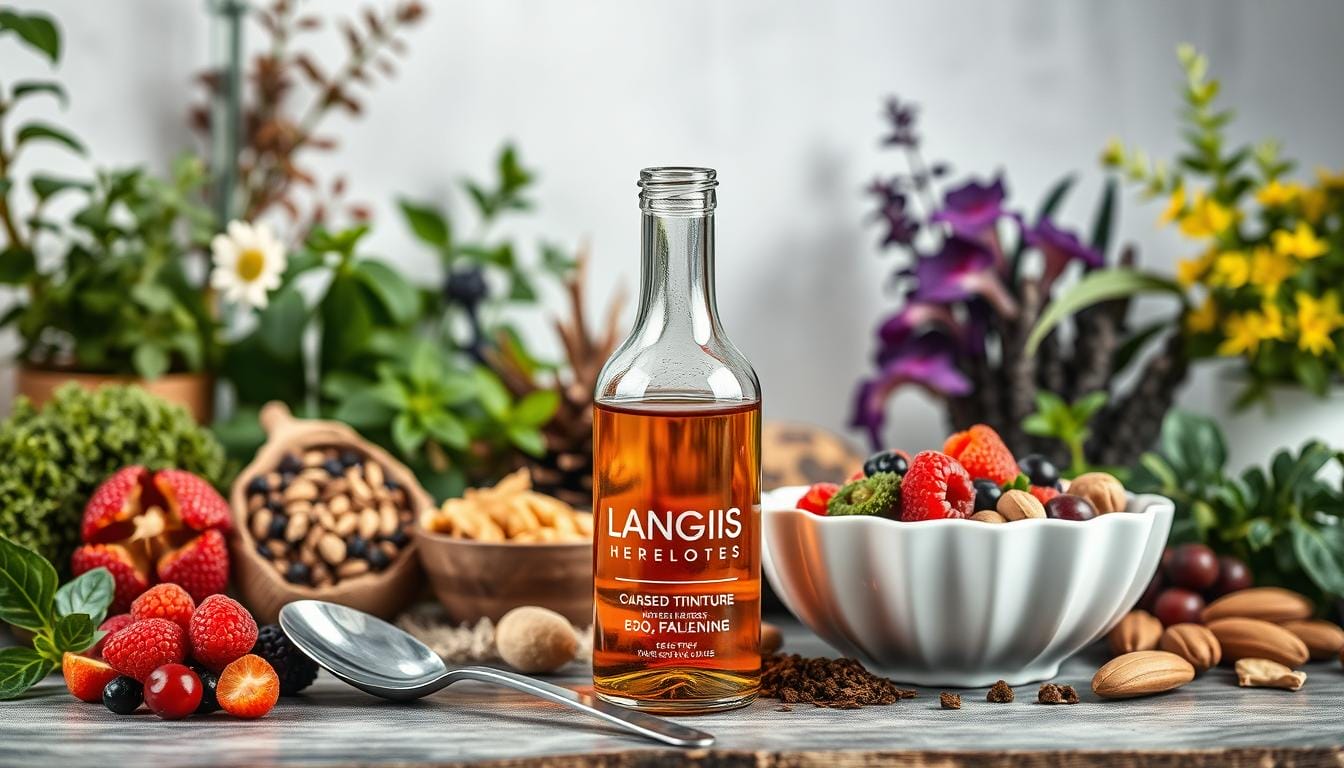
We highlight translational science, clinical evidence from google scholar, and market trends. You’ll also see an example product, Langnis, made from Pule, Sambiloto, and Duwet extracts, processed for better absorption. The goal is a clear, patient-centered approach you can discuss with your healthcare team and apply responsibly.
List of contents:
- Why Integrative Nutrition-Herbal Strategies Are Rising for Diabetes Management
- Trend Analysis: The Shift From Single-Target Drugs to Multi-Target Herbal-Nutrition Approaches
- Mechanisms That Matter: How Plant and Mushroom Bioactives Influence Glucose Metabolism
- Combining Modern Nutrition with Herbal Diabetes Solutions
- Evidence Landscape: What Clinical Trials and In Vivo Studies Indicate
- Natural Compound Highlights in Diabetes Mellitus Care
- Nutritional Foundations: Diet Patterns That Complement Herbal Therapy
- Philippines Context: Burden, Access, and Culturally Aligned Interventions
- Product Spotlight: Langnis—A Premium Herbal Option Processed with Advanced Technology
- Inside Langnis: Composition and Functional Roles
- From Lab to Lifestyle: Practical Integration with Medical Nutrition Therapy
- Safety, Quality, and Regulation: What Patients and Providers Should Know
- Technology and Extraction: How Modern Methods Elevate Traditional Medicine
- Market Watch: Prevalence Trends, Consumer Interest, and Research Momentum
- What’s Next: Personalized Nutrition, Biomarkers, and Combined Therapies
- Conclusion
- FAQ
- What is the rationale behind pairing targeted dietary strategies with herbal compounds for managing type 2 diabetes?
- Which herbal compounds have the strongest clinical signal for lowering blood glucose?
- How do plant bioactives improve insulin sensitivity and secretion?
- Are there safety concerns when adding herbal supplements to existing diabetes medications?
- How important is standardization and extraction method for herbal products?
- What are common evidence gaps in herbal-nutrition integrative approaches?
- Can certain foods or nutrients enhance the absorption and activity of herbal bioactives?
- What biomarkers should clinicians track when patients use combined diet and herbal interventions?
- How do mushroom-derived polysaccharides fit into glycemic management?
- What role does cultural context play in implementing integrative strategies in the Philippines?
- How should a patient begin integrating a product like Langnis into their care plan?
- Are there population groups who should avoid herbal glycemic supplements?
- What practical dietary patterns best complement herbal interventions for glycemic control?
- How soon can someone expect measurable changes in blood glucose after adding herbal and nutrition strategies?
- Related posts:
- Introducing Langnis: Herbal Innovation Meets Tradition
- Traditional Indonesian Herbs for Diabetes Management: Natural Solutions for ASEAN Communities
- Comprehending Insulin Resistance and Prediabetes: Triggers, Warning Signs, and Remedies
Key Takeaways
- This review explains why an integrative approach matters now as prevalence and costs rise.
- Nutrition, food choices, and botanicals can complement conventional medicine when used safely.
- Clinical evidence and google scholar references help bridge traditional wisdom and science.
- Langnis is an example of legal, premium herbal processing aimed at better absorption.
- Readers will find practical, patient-focused tips for safer management and discussion with clinicians.
Why Integrative Nutrition-Herbal Strategies Are Rising for Diabetes Management
As diabetes rates climb, practical, multi-pronged care approaches are gaining traction in clinical and community settings.
The global burden is steep: among adults 20–79, cases rose from 151 million in 2000 to 589 million in 2024. Today, diabetes accounts for roughly 9.3% of deaths and 12% of health spending worldwide. This pressure forces health systems and families to seek safer ways to lower blood glucose levels and prevent complications.
Why the blended approach matters now
- Population need: rising prevalence pushes interest in scalable, low-cost care options.
- Food and nutrition: dietary patterns can reduce peaks in blood glucose and improve daily control.
- Herbal value: evidence-informed botanicals are seen as complementary to standard medicine when quality is assured.
Validation is moving forward. Translational studies, pilot trials, and review articles indexed in google scholar help clinicians spot promising signals. Yet early trials need follow-up with larger, well-designed trials before firm conclusions.
Quality matters. Green extraction and strict controls raise purity, safety, and consistency for herbal options. Products like Langnis show how traditional ingredients can be processed for improved absorption, offering legal, premium choices that fit patient preferences.
Trend Analysis: The Shift From Single-Target Drugs to Multi-Target Herbal-Nutrition Approaches
Recent trends show a move away from one-molecule drugs toward approaches that engage several biological pathways at once.
Single-target drugs like modern SGLT2 inhibitors owe some lineage to plants: phlorizin inspired dapagliflozin, and metformin traces back to Galega officinalis. These histories show how traditional compounds can seed breakthroughs in medicine and guide new therapy approaches.
Multi-target strategies blend foods and plant-derived compounds that act on glucose transport, carbohydrate enzymes, and insulin dynamics. That diversity can lower peaks in blood sugar and support longer-term control.
Standardization and green extraction are rising priorities. Consistent composition, quality authentication, and GMP align herbal options with clinical expectations and legal frameworks. Green extraction boosts yield and purity while cutting harmful residues, increasing value for patients and providers.
- Evidence signals: recent review and google scholar searches show growing clinician interest and small-scale studies.
- Quality-first: products like Langnis emphasize premium sourcing, legal status, and absorption-focused processing to support multi-target effects.
Mechanisms That Matter: How Plant and Mushroom Bioactives Influence Glucose Metabolism
Plant and fungal bioactives act across several targets to shape how the body handles glucose.
Carbohydrate enzyme inhibition and glucose absorption modulation
Many compounds inhibit enzymes like α-glucosidase and α-amylase to slow carbohydrate breakdown. This reduces rapid glucose spikes after meals and lowers post-meal blood glucose.
Insulin secretion, insulin sensitivity, and β‑cell support
Certain components improve insulin secretion and enhance insulin action at muscle and liver. Sambiloto, for example, shows signals for better insulin sensitivity that may help stabilize blood glucose levels.
Antioxidant, anti-inflammatory, and cardiometabolic effects
Mushroom polysaccharides, glycoproteins, and small peptide complexes offer hypoglycemic activity and protect vascular health. Antioxidant effects reduce inflammation that can harm β‑cell function and metabolism.
- Hepatic links: some compounds modulate liver enzymes and glucose output, altering overall metabolism.
- Digestive kinetics: components may boost incretin pathways and slow absorption.
- Evidence: emerging google scholar studies examine multi-target mechanisms and clinical translation.
Note: mechanistic promise does not replace clinical monitoring. Coordinate any product use, including Langnis ingredients like Sambiloto and Duwet, with your clinician to avoid interactions or hypoglycemia.
Combining Modern Nutrition with Herbal Diabetes Solutions
What you eat daily influences whether botanical extracts reach their full potential.
Synergy between dietary patterns and phytochemicals
Dietary patterns that emphasize fiber, lean protein, and healthy fats can potentiate plant compounds. Fiber slows absorption and steadies post-meal glucose peaks. Lean proteins support satiety and steady energy between meals.
Healthy fats help lipophilic components cross membranes and reach circulation. That can increase the measurable effects of certain botanicals on metabolism and insulin sensitivity.
Nutrient co-factors that enhance bioactive uptake and effect
- Pair fiber and botanicals: whole grains and legumes support steady glucose and may improve retention of active components.
- Include healthy fats: avocado, nuts, or small amounts of oil aid absorption of fat-soluble compounds.
- Balance protein and timing: consistent meal timing and mixed macronutrients reduce variability and boost compound impact.
Review articles in google scholar note that diet quality shapes bioavailability and real-world potential. LANGNIS’s absorption-focused processing aligns well with smart meal composition.
Practical tip: try a fiber-rich breakfast with a source of healthy fat when taking an herbal product. Track glucose response and discuss changes with your clinician to respect individual sensitivity and prescribed care.
Evidence Landscape: What Clinical Trials and In Vivo Studies Indicate
Clinical evidence is growing, but it remains mixed in quality and size.
Human trials and animal studies report encouraging signals for cinnamon, berberine, and prebiotic fibers. For example, cinnamon at about 3 g/day for 90 days showed reductions in glycemic markers and lipids in several small trials. Berberine trials report lowered blood glucose and insulin outcomes comparable in some measures to metformin.
Prebiotic fibers like FOS improved antioxidant enzymes in dose-dependent in vivo models. These lab results suggest plausible mechanisms, but translation to patient care needs larger human studies and careful design.
Caveats: heterogeneity, dosing, and safety
Study heterogeneity—different doses, extracts, and durations—makes comparison hard. Standardized extracts are essential to produce repeatable effects.
Reduction blood glucose outcomes look promising but must be paired with safety checks. Drug-herb interactions can change responses. Track fasting and postprandial blood glucose levels and HbA1c under clinician guidance.
- Role of trials: well-designed clinical trials and reviews on google scholar remain key to inform medicine and management choices.
- Translational gap: in vivo work helps explain effects but requires larger human trials to confirm benefits in diabetes mellitus care.
- Standardization: consistent dosing and quality reduce variability across studies.
Google scholar hosts an expanding set of reviews that help clinicians appraise evidence. Langnis fits this landscape as a premium option processed for absorption, yet structured monitoring and clinician collaboration are essential. Future trials should report standardized dosing, safety endpoints, and clinically meaningful outcomes to guide real-world use.
Natural Compound Highlights in Diabetes Mellitus Care
Plant and fungal chemicals offer a toolkit of actions that can help steady blood sugar and support insulin signaling.
Flavonoids, phenolics, terpenoids, and alkaloids are common compound classes that show measurable effects on glucose handling and insulin pathways. Flavonoids (catechins, anthocyanins) and phenolic acids may improve insulin signaling and reduce oxidative stress.
Terpenoids and alkaloids, such as berberine and ginsenosides, act on enzyme inhibition and cellular metabolism to lower post-meal glucose peaks. These components align with ingredients in Langnis that aim for broad-spectrum impact.
Mushroom-derived polysaccharides and glycoproteins
Fungal polysaccharides, glycoproteins, and small peptide complexes can modulate immune response and support glycemic control. They may slow glucose absorption and improve insulin action at target tissues.
“Diversity in compound classes lets multiple pathways be targeted at once, a practical asset in multifactorial care.”
- Mechanisms: enzyme inhibition (α‑glucosidase), enhanced insulin sensitivity, and altered hepatic metabolism.
- Evidence: review articles on google scholar report promising signals but note heterogeneity and small study sizes.
- Quality: extraction method, dose, and bioavailability change real-world effects—standardized products suit medicine best.
Practical note: compound diversity can complement diet and activity. Prioritize labeled, tested products and coordinate use with your clinician to monitor blood glucose levels and avoid interactions.
Nutritional Foundations: Diet Patterns That Complement Herbal Therapy
A steady eating plan helps botanicals perform better and keeps blood sugar more predictable.
Diet patterns that pair well with herbal options include Mediterranean-style plates, plant-forward Filipino meals, and high-fiber approaches. These patterns focus on whole food, legumes, vegetables, and modest portions of rice or root crops.
Dietary interventions improve insulin sensitivity and reduce glucose excursions. A fiber-forward plate slows absorption and can help bioactive retention and metabolic effects.
- Meal building: pair 1 portion rice or root + a palm-sized protein (fish, munggo, chicken) + vegetables + a small serving of healthy fat (nuts, avocado).
- Timing and portions: consistent meal timing and modest portions lower hypoglycemia risk and steady daily glucose for better management.
- Daily habits: hydration, sleep, and short walks amplify dietary effects and support metabolism and sensitivity.
Review summaries on google scholar note that diet quality shapes both glucose responses and the measurable effects of botanicals. Track fasting and post-meal readings to tailor plans.
Note: individual responses vary. Discuss any dietary changes with your healthcare team, especially if you take insulin or sulfonylureas. Herbal products should add to a solid dietary foundation, not replace medical care.
Philippines Context: Burden, Access, and Culturally Aligned Interventions
The Philippines faces a growing diabetes challenge that calls for practical, culturally tuned care.

Diabetes and diabetes mellitus rates are rising locally, straining access to medicine and care. Practical interventions must fit daily life and familiar food patterns.
Local dietary habits and opportunities for improvement
White rice remains central to many meals. Small shifts — portion control, adding fiber-rich sides, and steady protein — help steady blood glucose levels.
Simple actions:
- Swap half the rice portion for vegetables or beans.
- Choose grilled fish or munggo for lean protein and satiety.
- Add a small serving of healthy fat (nuts or avocado) to aid nutrient uptake.
Bridging traditional practices with evidence-based care
Respecting tradition matters. Use standardized, legal herbal products under clinician supervision to reduce risk and boost consistency.
“Shared decision-making that uses local studies and global review findings strengthens safe adoption.”
Pharmacists and nutritionists can guide label literacy, meal planning, and glucose monitoring. Local studies and google scholar reviews support combining culturally acceptable practices with modern oversight.
Positioning Langnis: Langnis is a culturally familiar option when chosen for quality and used alongside clinician-monitored management. Regular follow-ups and lab checks tailor interventions over time.
Product Spotlight: Langnis—A Premium Herbal Option Processed with Advanced Technology
Langnis is positioned as a legal, quality-first product that targets blood sugar support using absorption-focused methods.
What makes Langnis different: Langnis is made from 100% genuine herbs and premium sourcing. Its processing emphasizes absorption through green extraction and standardization. That focus helps preserve active compounds while reducing residues.
Absorption, quality, and predictable effects
Advanced processing aims to improve yield and purity. Better bioavailability can lead to more predictable effects on glucose and overall metabolism.
Legal status and authenticity signals
Clear labeling, legal compliance, and documented sourcing are core value markers. These signals help clinicians and patients trust the product’s identity and quality.
- Langnis uses select compounds and components intended to work alongside medicine and diet.
- An absorption-forward design may translate to faster perceived support for blood sugar levels; lab tracking is recommended.
- Review-level quality principles and google scholar summaries back the move toward standardization and green extraction.
“Premium sourcing and standardized processing help herbal options reach clinical-grade consistency.”
Langnis is framed as complementary care, not a stand-alone cure. Discuss use with your clinician, especially if you take glucose-lowering drugs. Regular monitoring of blood glucose and lab follow-up will help measure effects and safety.
Inside Langnis: Composition and Functional Roles
Langnis blends select Philippine botanicals into a clear formula designed to work across multiple metabolic pathways.
Composition and serving rationale: Each capsule uses 100% genuine herbs and premium sourcing. The ingredients form a complex chemical composition that targets glucose handling and insulin dynamics through multiple compounds. Standardized, absorption-focused processing helps improve consistency of effects.
Pulai (Alstoniae Scholatidis Cortex) — 1200 mg
Pulai is included for potential metabolic support and for its traditional role in multi-herb blends. Its diverse secondary metabolites may act across liver and digestive pathways to assist glucose balance.
Pulasari (Alyxiae Renwardtii Cortex) — 800 mg
Pulasari adds traditional synergy. As a supporting component, it helps modulate compound interactions and may enhance the overall profile of effects when combined with other components.
Sambiloto (Andrographis paniculata) — 800 mg
Sambiloto is featured for signals in translational literature about improved insulin sensitivity and direct glucose effects. That evidence is part of why it serves as a principal active component in the formula.
Duwet/Bij (Syzygium cumini) — 200 mg
Duwet has a long history for blood glucose levels support. In Langnis, it complements other compounds to widen the spectrum of action on post-meal and fasting glucose.
“Multi-component formulas can harness diverse compounds to target several glucose-related pathways at once.”
- Standardization and green-style extraction aim to deliver predictable compound profiles.
- View each ingredient as part of a system for sensitivity, glucose balance, and insulin dynamics.
- Consult review articles on google scholar for deeper study; track blood glucose and related labs with your clinician to personalize use.
From Lab to Lifestyle: Practical Integration with Medical Nutrition Therapy
Practical steps can bridge lab findings and daily care for people managing blood sugar.
Coordinate care. Work with your physician, dietitian, and pharmacist before starting any supplement like Langnis. Agree on goals for fasting and postprandial blood glucose levels and schedule HbA1c checks.
Coordinating with clinicians to monitor blood glucose and HbA1c
Set baseline labs and repeat HbA1c every 3 months when changing therapy. Share glucose logs so clinicians can spot trends and prevent low glucose events.
Titration, timing with meals, and tracking outcomes
Start low and go slow. Time doses near a fiber-rich meal and include healthy fats to aid absorption. Track fasting and post-meal readings, energy, digestion, and any symptoms.
- Baseline labs and review of medications.
- Begin a low dose; note time relative to meals.
- Record fasting and 2-hour postprandial readings daily for 2–4 weeks.
- Meet the care team to adjust dose or timing based on results.
Practical note: use review summaries and implementation studies on google scholar to inform local interventions. Log data and share it—regular reassessment ensures safe, effective management of diabetes mellitus.
Safety, Quality, and Regulation: What Patients and Providers Should Know
Patients and providers need clear signals about quality before adding any plant-based product to a care plan.
Langnis is legal and made from 100% genuine herbs, using advanced, absorption-focused processing. This raises the baseline value for safety and predictability in medicine choices.

Key safety checks matter: authenticated sourcing, contamination testing, and a certificate of analysis are essential for medicine-quality products.
Standardized components improve predictability of effects. That helps clinicians interpret trials and clinical trials and supports evidence-informed therapy.
- Use reviews and google scholar searches to appraise product claims and published studies.
- Practice pharmacovigilance: log adverse events, drug interactions, and lab changes.
- Start low and go slow when adding botanicals to existing regimens to reduce risk.
Regulatory markers—clear labeling, legal compliance, and testing—protect consumers and guide management decisions.
“Transparent sourcing, validated extraction, and open reporting make it easier to move traditional components into safer, clinically useful care.”
Special caution is needed in pregnancy, lactation, liver or kidney disease, and when many drugs are used. Talk openly with your clinician to align monitoring and goals.
Technology and Extraction: How Modern Methods Elevate Traditional Medicine
Advances in extraction technology help turn traditional herbs into consistent, testable products for clinical use.
Green extraction preserves active molecules and raises yield and purity. It protects a plant’s complex chemical composition so key compounds are kept intact.
That matters because consistent compounds produce more predictable effects. Better purity reduces impurities that can cause side effects or block intended mechanisms in the body.
- Cleaner extracts: solvent innovations and temperature control protect sensitive phytochemicals and improve batch-to-batch consistency.
- Clinical value: standardized profiles help researchers and clinicians compare outcomes and trust results tied to glucose endpoints.
- Real-world benefits: fewer impurities, steadier response, and often better tolerability for patients.
Recent review articles and studies on google scholar increasingly analyze how extraction changes measurable effects. Consumers should favor brands that publish testing and use validated processes.
“Validated extraction and quality control turn traditional remedies into options that align with modern medicine.”
Langnis’s absorption-focused processing follows these standards to deliver consistent compounds and support observable effects in care.
Market Watch: Prevalence Trends, Consumer Interest, and Research Momentum
Investor and clinician attention is increasing as prevalence climbs and evidence grows.
The numbers are clear: diabetes reached 589 million adults in 2024 and projections point to 643 million by 2030 and 783 million by 2045. Spending topped USD 1.015 trillion, which fuels demand for scalable care and new value propositions.
Market drivers include rising diabetes mellitus rates, stronger consumer preference for natural options, and interest in integrative management that fits daily life and budgets. Clinicians and investors now look for products backed by trials and rigorous quality data.
Research momentum is strong. Thousands of publications and review articles appear in google scholar, and more clinical trials are being registered. These studies and real-world reports help shape expectations about measurable effects and safety.
- Trust markers: legal status, premium sourcing, and clear labels matter most.
- Industry focus: standardized extracts that show consistent effects attract investment and clinician interest.
- Patient demand: options that integrate into routines while offering demonstrable value are rising.
Langnis exemplifies this trend as an absorption-focused, legally positioned product designed to meet quality expectations. Stakeholders should align innovation, education, and access to maximize public health impact. Expect continued growth in funding, trials, and google scholar reviews that translate lab findings into usable care tools.
“Real-world evidence will increasingly complement controlled research to guide adoption and policy.”
What’s Next: Personalized Nutrition, Biomarkers, and Combined Therapies
Tailoring diet and botanical dosing to an individual’s physiology could sharpen outcomes in glucose control.
Research now points toward personalization based on insulin sensitivity phenotyping. That lets clinicians match meal timing, dose, and product components to each person’s biology.
Insulin sensitivity phenotyping and response prediction
Simple tests, CGM patterns, and post-meal checks can classify a patient’s sensitivity and guide a practical approach. Use biomarkers beyond HbA1c—lipids, inflammation, and CGM variability—to tune timing and absorption.
Practical note: Langnis may fit into these plans if dosing and meal composition are adjusted to a person’s sensitivity profile.
Future clinical trials and real‑world evidence
Designs should stratify participants by sensitivity so responders are seen clearly. Preclinical work—type diabetic rats and glucose uptake muscle assays—helps set biological plausibility before larger human clinical trials.
- Compare nutrition-only, product-only, and combined approaches to quantify added value.
- Prioritize pragmatic studies, registry data, and literature syntheses indexed on google scholar to speed learning.
- Include metabolism-focused endpoints and patient-reported outcomes for a fuller picture.
“Personalized, biomarker-driven research will turn potential into practical care.”
Conclusion
In this final note, we stress practical steps that link food patterns and quality herbal products to better glucose control.
This review highlights an integrative approach that weaves nutrition, sensible food choices, and vetted plant extracts into diabetes care. Use mechanisms-based botanicals alongside diet and activity to target multiple effects on blood glucose levels.
, Langnis is a legal, premium option made from 100% genuine herbs with absorption-focused processing. It may offer added potential when used as a complementary tool under clinician guidance.
Evidence has limits, yet review literature and google scholar resources show meaningful signs of improvement for many people. Partner with your care team, track blood glucose, and favor standardized, quality-assured products.
We advocate continued trials and pragmatic research. Start with foundation nutrition, add vetted botanicals carefully, monitor progress, and thank you for joining a patient-centered path in diabetes management.
FAQ
What is the rationale behind pairing targeted dietary strategies with herbal compounds for managing type 2 diabetes?
Combining specific dietary patterns—like higher fiber, low glycemic load meals, and balanced macronutrients—with herbal bioactives aims to address multiple metabolic pathways at once: slowing carbohydrate absorption, improving insulin sensitivity, supporting beta-cell function, and reducing oxidative stress. This multi-target approach can complement standard care and lifestyle changes to improve blood glucose control and cardiometabolic markers.
Which herbal compounds have the strongest clinical signal for lowering blood glucose?
Meta-analyses and randomized trials highlight cinnamon, berberine, and certain viscous fibers as showing consistent modest reductions in fasting glucose and HbA1c. Other candidates—like berberine-containing extracts, Syzygium cumini (jambul), and Andrographis paniculata—have promising in vivo and small clinical studies but require larger, standardized trials for definitive efficacy and dosing guidance.
How do plant bioactives improve insulin sensitivity and secretion?
Bioactives work via several mechanisms: enhancing glucose uptake in muscle through AMPK activation, modulating SGLT and GLUT transporters, promoting insulin signaling, protecting β‑cells from oxidative damage, and influencing incretin responses. These pathways can increase peripheral glucose disposal and support endogenous insulin secretion when combined with appropriate nutrition.
Are there safety concerns when adding herbal supplements to existing diabetes medications?
Yes. Herb–drug interactions can alter blood glucose or drug metabolism (for example, potentiating sulfonylureas or interacting with metformin pharmacokinetics). Patients should consult clinicians, monitor glucose closely, and consider phased introduction with dose adjustments. Safety monitoring includes blood glucose, HbA1c, renal and liver function tests as clinically indicated.
How important is standardization and extraction method for herbal products?
Very important. Standardized extracts and green extraction methods improve consistency, active compound yield, and reduce contaminants. Reliable labeling, third‑party testing, and good manufacturing practices are key to ensuring reproducible clinical effects and minimizing safety risks.
What are common evidence gaps in herbal-nutrition integrative approaches?
Major gaps include heterogeneous dosing, variable extract composition, small trial sizes, short durations, and inconsistent endpoints. There’s also limited safety data on long-term use and few head‑to‑head comparisons with standard therapies. Standardized trials and real‑world evidence are needed to fill these gaps.
Can certain foods or nutrients enhance the absorption and activity of herbal bioactives?
Yes. Nutrient co‑factors—like specific fats for lipophilic compounds, and dietary fibers that alter gut transit—can influence bioavailability. Co‑administration with meals, pH considerations, and formulation (e.g., emulsions, nanoencapsulation) also change uptake. Clinician guidance helps optimize timing and composition.
What biomarkers should clinicians track when patients use combined diet and herbal interventions?
Track fasting and postprandial blood glucose, HbA1c, weight, blood pressure, lipid profile, and relevant liver and renal panels. For personalized response, clinicians may consider insulin sensitivity indices or continuous glucose monitoring to capture patterns and inform titration.
How do mushroom-derived polysaccharides fit into glycemic management?
Mushroom polysaccharides and glycoproteins can modulate immune and metabolic pathways, reduce postprandial glucose excursions via viscosity effects, and exert antioxidant and anti‑inflammatory actions that support metabolic health. Evidence is growing from animal and early clinical studies but needs standardized human trials.
What role does cultural context play in implementing integrative strategies in the Philippines?
Local dietary habits, traditional medicine acceptance, and access to quality herbs influence adoption. Culturally aligned interventions that integrate familiar foods, community education, and evidence-based herbal options can improve adherence while respecting local practices.
How should a patient begin integrating a product like Langnis into their care plan?
Patients should discuss Langnis or any supplement with their healthcare provider, review quality and ingredient transparency, and start under clinical supervision. Begin with recommended dosing, monitor blood glucose closely, and adjust concurrent diabetes medications as needed to avoid hypoglycemia.
Are there population groups who should avoid herbal glycemic supplements?
Pregnant or breastfeeding individuals, children, people with severe hepatic or renal impairment, and those on multiple glucose‑lowering drugs should avoid or use caution. Always seek clinician guidance and review potential interactions before starting supplements.
What practical dietary patterns best complement herbal interventions for glycemic control?
Emphasize whole grains, legumes, vegetables, low‑glycemic fruits, lean protein, healthy fats, and viscous fibers. Time meals to match medication and supplement timing, maintain consistent carbohydrate distribution, and prioritize portion control to enhance herbal benefits.
How soon can someone expect measurable changes in blood glucose after adding herbal and nutrition strategies?
Some individuals may see changes in fasting or postprandial glucose within weeks, while HbA1c improvements typically require 8–12 weeks. Response varies by baseline control, adherence, product quality, and concurrent therapies, so regular monitoring is essential.