Can a well-made herbal formula really help people with diabetes feel better and manage post-meal spikes? This question matters for many in the Philippines who want safe, effective ways to support daily health.
Modern research highlights several botanicals that may improve insulin sensitivity and lower postprandial glucose. Examples include cinnamon extracts, bitter melon, fenugreek, silymarin from milk thistle, American ginseng, and banaba, which is especially familiar in local communities.
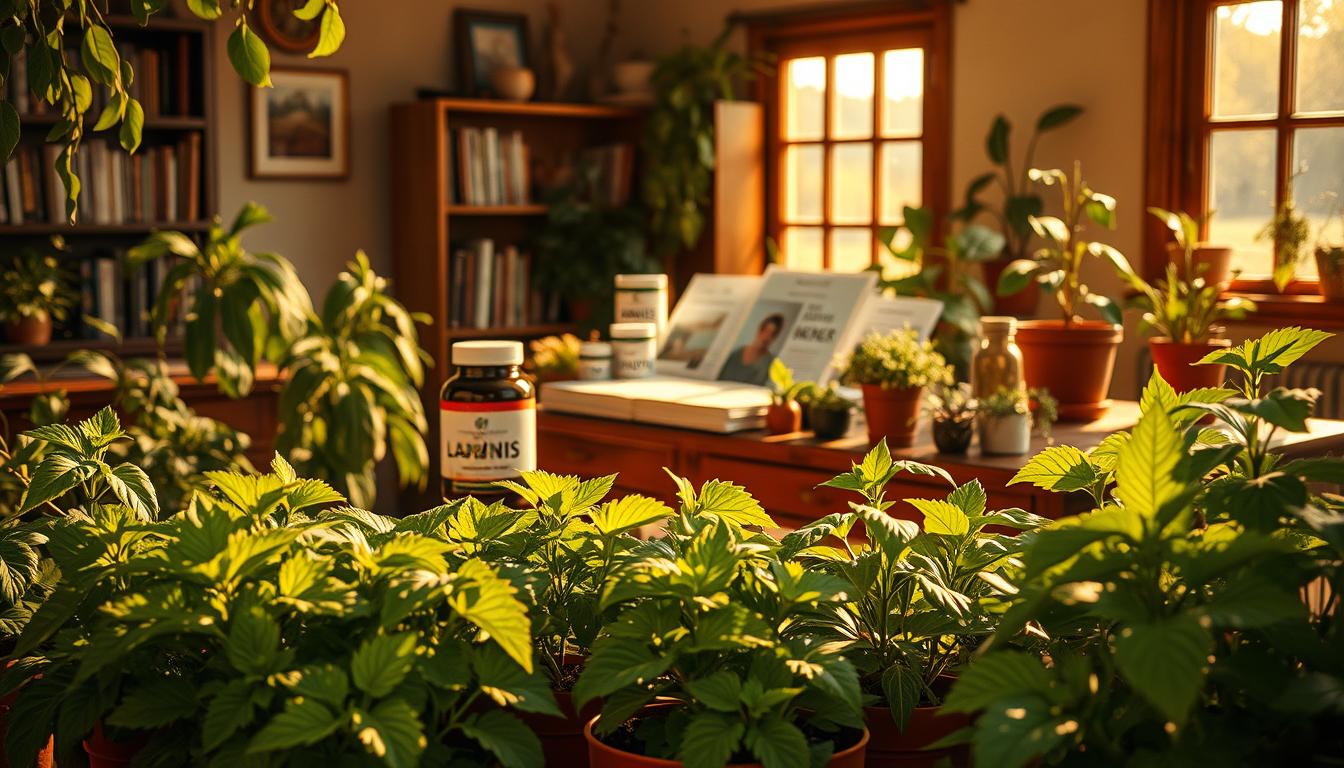
Meet Langnis, a premium, legal herbal medicine made from 100% genuine plants. Its Pule (Pulai), Sambiloto, and Duwet extracts use advanced processing to boost absorption. Such processing can help these extracts act faster to support symptom relief and more steady sugar levels, when used alongside lifestyle steps and medical advice.
List of contents:
- Why Natural Options Matter Right Now: What Present Research Says
- Science-Backed Herbs That May Help Lower Blood Glucose
- Everyday Lifestyle Strategies That Support Blood Sugar Control
- Natural Blood Sugar Control: Herbs Backed by Science
- Meet Langnis: A Premium, Legal Herbal Option Made for Faster Absorption
- Inside Langnis: Traditional Plants, Modern Standards
- Quality, Safety, and Interactions: What Patients with Diabetes Should Know
- How Herbs Fit with Standard Care: From ADA Guidance to Study Comparisons
- Your Practical Day Plan in the Philippines
- Conclusion
- FAQ
- Which herbs have the strongest evidence for lowering blood glucose?
- Can these herbs replace diabetes medications?
- Are there safety concerns or interactions I should know about?
- How much benefit can I realistically expect from herbal supplements?
- Which forms work best: whole herb, extract, tea, or seed powder?
- How quickly do effects appear?
- Are there herbal options that also help cholesterol or weight?
- What lifestyle steps should I combine with herbal support?
- Is there evidence specific to the Philippines or Southeast Asia?
- What should patients with type 1 diabetes know about herbal use?
- How do I choose a reputable herbal product?
- Can herbs improve insulin sensitivity?
- Are there recommended monitoring steps after starting an herb?
- What about combined herbal formulations like Langnis?
- Related posts:
- What Is Type 2 Diabetes? Understanding, Managing, and Treating Naturally
- A Comprehensive Overview of Diabetes: Types, Risks, and Management Strategies
- Herbal Tonics for Diabetics: Recipes and Benefits
Key Takeaways
- High-quality formulations can complement diabetes care but are not cures.
- Research points to cinnamon, bitter melon, fenugreek, milk thistle, ginseng, and banaba for glucose support.
- Product quality, processing, and legal status affect absorption and outcomes.
- In the Philippines, banaba is a locally relevant option and easier to source.
- Always combine supplements with movement, balanced meals, sleep, and hydration.
- See a professional to avoid drug interactions and set realistic goals.
Why Natural Options Matter Right Now: What Present Research Says
Recent studies and systematic reviews are probing how certain botanicals may help people manage diabetes when used carefully. Reviews show promise for several extracts, but results differ by dose, extract type, and study quality.
The American Diabetes Association (ADA) 2022 standards note that there is no clear proof that supplements replace standard treatment. Medical News Today also warns that while items like cinnamon, bitter melon, silymarin, and fenugreek show potential, more human research is needed.
What to keep in mind:
- Systematic review and review articles suggest benefit for some botanicals, yet effects vary and expectations should stay realistic.
- Herbal products should complement—not replace—medications or clinical treatment to lower the risk of complications.
- Because supplements lack drug-level regulation, choose legal, high-quality sources and formulas with proven purity and processing for better absorption.
- Talk to a healthcare provider before adding any product, especially if you take glucose-lowering medications, to avoid additive effects.
Short-term trials show mixed but promising findings: cinnamon has reduced fasting measures in some trials, bitter melon helped in a 12-week study, and fenugreek and silymarin have shown modest benefits. Overall, combining lifestyle steps with trusted, well-processed supplements can help support steadier levels while standard care remains primary.
Science-Backed Herbs That May Help Lower Blood Glucose
Evidence points to a handful of plant extracts that can complement daily care by supporting insulin action and glucose levels.
Cinnamon: Use water-soluble cinnamon extracts (e.g., Cinnulin PF) to support insulin sensitivity. Trials report improved fasting blood glucose and some lipid benefits. Avoid whole cinnamon for long-term use because of coumarin.
Bitter melon: Traditional use is common in the Philippines. A 12-week randomized study showed lower fasting blood sugar, and it may help blunt post-meal glucose effects when taken around meals.
Fenugreek seeds: Fenugreek provides soluble fiber that slows carbohydrate absorption and may stimulate insulin signaling. It can reduce blood sugar and support healthier cholesterol in some trials.
Milk thistle (silymarin): Silymarin shows antioxidant benefits and modest reductions in fasting insulin and glucose. Some patients report mild GI effects, so start with low doses.
American ginseng: Taken before meals, American ginseng lowered postprandial glucose in several studies, which may help people with type 2 diabetes manage mealtime spikes.
Banaba (Lagerstroemia speciosa): Banaba contains actives that increase insulin action. It is locally accessible in the Philippines as tea or supplement and fits well into a regional toolkit.
- Practical tips: Start one plant at a time, track readings two hours after meals, and discuss changes with your clinician.
- Quality matters: Choose legal, processed extracts—like formulas designed for absorption—to maximize effects and lower interaction risk.
Everyday Lifestyle Strategies That Support Blood Sugar Control
Combining movement, food choices, and sleep creates a stable foundation for healthier glucose levels.
Move more
Aim for 150 minutes of brisk walking each week or three 10-minute sessions daily. Short resistance “exercise snacks” every 30 minutes break sitting time and help muscles use insulin better.
Smart carbs and portions
Pick low GI staples like oats, beans, lentils, and non-starchy vegetables. Pair carbs with protein and healthy fats to blunt spikes in blood sugar levels.
Hydration, sleep, and stress
Drink water first to help your body flush excess glucose. Protect 7–8 hours of sleep and use brief mindfulness or deep breathing to lower cortisol and steady sugar levels.
Probiotics and key minerals
Rotate yogurt with live cultures, kefir, or kimchi to support fasting glucose and HbA1c. Add magnesium- and chromium-rich foods—dark leafy greens, pumpkin seeds, barley—to support insulin action.
“Small, consistent habits often reduce daily spikes and help reduce blood complications over time.”
- Weekly rhythm: Mix brisk walks with short resistance sessions to improve sensitivity.
- Portion tools: Use smaller plates and slow eating to keep levels steady.
- Hydrate and rest: Water first and regular sleep support overall health in diabetes care.
Tip: Well-absorbed herbal options may act faster when paired with these steps. Always check with a clinician before combining supplements with medication.
Natural Blood Sugar Control: Herbs Backed by Science
Choosing standardized extracts matters if you want clearer, measurable benefits alongside usual care.

Clinical research highlights several plant extracts that play a measurable role in supporting insulin action and glucose metrics.
Water-soluble cinnamon extracts, bitter melon, fenugreek fiber, silymarin, American ginseng, and banaba each show distinct effects in human and mechanistic studies. Trials report improvements in fasting values and smaller post-meal spikes in select groups.
Results vary with extract standardization, dose, and consistent use. Quality, legal status, and purity affect how fast a product works and how closely outcomes match published review articles.
- Multiple roles: different plants target fasting or postprandial readings and insulin pathways.
- Dependence on quality: standardized extracts and processing boost predictability.
- Set goals: pick products aimed at smoother post-meal numbers or better fasting values.
“Stack small wins—movement, low-GI meals, hydration—with well-made extracts for more predictable results.”
Talk with a clinician about sources and interactions before adding any formula to your daily routine.
Meet Langnis: A Premium, Legal Herbal Option Made for Faster Absorption
Designed for faster absorption, Langnis brings three time-honored extracts into a single, legally produced product for daily use.
What sets Langnis apart is its use of 100% genuine Pule (Pulai), Sambiloto, and Duwet extracts and advanced processing that improves bioavailability. This helps the active properties reach the body more efficiently and may also translate into quicker perceived support for blood sugar and post-meal spikes.
How it works: synergy for faster support
The three extracts target overlapping pathways relevant to insulin and glucose handling. Together they aim to reduce excursions and support more consistent day-to-day blood readings.
- Designed as a complementary treatment for patients with diabetes mellitus symptoms.
- Premium, legal sourcing to reassure families and clinicians.
- Improved absorption so actives may act faster to reduce blood sugar.
“Discuss Langnis with your healthcare provider and track levels before and after meals to see how you respond.”
Inside Langnis: Traditional Plants, Modern Standards
Careful selection and dosing of each plant in Langnis target practical goals for patients with diabetes.

Pulasari (Alyxiae renwardtii cortex) — 800 mg
Pulasari has a long history in local wellness practice. Standardizing this extract helps turn heritage use into consistent effects.
Pulai (Alstoniae scholatidis cortex) — 1200 mg
Pulai acts as a complementary backbone in the formula. Its inclusion supports day-to-day approaches that aim for steadier blood sugar levels.
Sambiloto (Andrographis paniculata herba) — 800 mg
Sambiloto is valued for metabolic and immune properties. In the Langnis mix it contributes to pathways tied to insulin and glucose handling.
Duwet / Bij (Syzygium cumini semen) — 200 mg
The Duwet seeds link traditional use to modern formulation. Seeds provide a classic component aimed at supporting fasting and post-meal blood readings.
“Review labels for exact milligrams and discuss each component with your healthcare professional.”
- Composition shown aligns heritage with standardized processing.
- Targets steadier fasting and post-meal glucose for patients type diabetes.
- Use alongside diet and activity, under clinical guidance.
Quality, Safety, and Interactions: What Patients with Diabetes Should Know
Quality matters: choose products that match what clinical studies actually test. Patients should favor legal, high-quality sources and standardized extracts to reduce variability and contamination.
The ADA and other reviews note that supplements should not replace prescribed medications. Discuss any new product with your clinician, especially if you take glucose-lowering drugs.
Langnis is a legal product made from 100% genuine plants and processed for better absorption. This processing can make effects appear faster, so monitor readings closely.
- Prioritize verified sources: standardized extracts align your results with what studies report and lower contamination risk.
- Tell your clinician: herbs can potentiate medications and may require dose changes to avoid lows or other complications.
- Start low, go slow: log fasting and post-meal levels; rapid shifts in blood and sugar readings mean your treatment plan might need adjustment.
- Watch for side effects: mild GI upset can happen; stop use and seek advice if symptoms persist.
“Build a safety-first routine: monitor levels, stay hydrated, and keep clinicians informed.”
How Herbs Fit with Standard Care: From ADA Guidance to Study Comparisons
Integrating standardized plant extracts into a care plan requires clear goals and careful monitoring. The ADA and one major review stress that supplements can complement standard treatment, not replace prescribed care.
Systematic evidence—including a systematic review and a systematic review meta-analysis—shows mixed but encouraging results. Some studies report lower fasting numbers, while others reduce post-meal glucose spikes or help lipid and cholesterol profiles.
Practical steps: keep your medications steady at first, add one extract at a time, and use paired checks—fasting and two-hour post-meal—to judge effect and sensitivity changes.
- Choose standardized products to match what research tests.
- Pick extracts by goal: fasting vs post-meal vs cholesterol.
- Share fasting and post-meal logs with your clinician to safely tailor therapy for people type diabetes and patients type diabetes.
“Treat adjuncts as tools that help improve day-to-day readings while keeping core medications and lifestyle steps in place.”
Langnis is positioned as an adjunct with advanced processing to aid faster absorption. Discuss it with your care team before use, watch for GI timing notes (for example, pre-meal dosing for some extracts), and track readings to see real-world changes in blood glucose and overall levels.
Your Practical Day Plan in the Philippines
Plan a simple, Filipino-friendly day that helps steady readings and fits local meals and rhythms. This routine pairs short movement bursts, low-GI meals, and probiotic snacks to support lower blood sugar and steadier sugar levels.
Sample day: Movement, meals, and mindful snacking
Morning: Start with a 10-minute brisk walk and a glass of water. Breakfast: rolled oats with yogurt containing live cultures and sliced green apple to support blood sugar levels.
Mid-morning: Do a quick exercise snack—squats or leg raises—then eat a small handful of pumpkin seeds for magnesium to help the body’s glucose handling.
Lunch: Modest brown rice, grilled bangus, and plenty of non-starchy veggies like ampalaya or pechay to smooth sugar levels and support insulin balance.
Afternoon: Break up sitting every 30 minutes, hydrate, and enjoy plain yogurt or kefir to reinforce microbiome benefits for lower sugar levels.
Dinner: Munggo soup with malunggay, sautéed kangkong, and a small serving of whole wheat pasta or barley to keep levels steady.
Evening: A 10-minute walk, brief mindfulness or deep breathing to reduce stress hormones that raise sugar, and aim for 7–8 hours of sleep.
Local-friendly shopping list
- Banaba tea
- Ampalaya, malunggay, kangkong
- Oats, mung beans, brown rice, barley
- Yogurt with live cultures, kefir
- Pumpkin seeds and citrus for hydration
“If using a well-absorbed herbal adjunct like Langnis, take it as directed and log pre-meal and 2-hour post-meal readings to see how your day plan influences readings across meals.”
Practical tip: Combine this routine with clinical advice. Tracking fasting and post-meal glucose helps you and your clinician decide if steps are working to reduce blood excursions and improve overall health.
Conclusion
A practical wrap-up shows how quality extracts can fit into a Philippines-friendly routine for people with diabetes.
Evidence and local practice suggest specific plants such as cinnamon, bitter melon, fenugreek, milk thistle, American ginseng, and banaba may help lower risks and reduce spikes when paired with movement, smart carbs, sleep, and stress care.
Choose legal, quality-verified products like Langnis — a premium formula made from 100% genuine herbs and processed for faster absorption — and work with your clinician to set safe dosing and timing.
Track fasting and two-hour post-meal readings and adjust plans with professional guidance to keep levels steady. With research-informed choices, local foods like banaba and ampalaya, and standard treatment at the core, patients with type diabetes mellitus can aim for steadier glucose and better daily well-being.
FAQ
Which herbs have the strongest evidence for lowering blood glucose?
Several botanicals show consistent support in clinical studies. Cinnamon, fenugreek seeds, bitter melon, milk thistle (silymarin), American ginseng, and banaba have research indicating benefits for fasting or post-meal glucose and insulin sensitivity. Effects vary by dose, formulation, and patient group, so talk with your clinician before starting any supplement.
Can these herbs replace diabetes medications?
No. Herbs may help reduce glucose levels modestly, but they are not substitutes for prescribed therapies. People on insulin or secretagogues risk low glucose if they add supplements that increase insulin action. Always coordinate changes with your diabetes care team.
Are there safety concerns or interactions I should know about?
Yes. Herbs can interact with drugs (for example, enhancing the effect of insulin or sulfonylureas) and affect liver enzymes or clotting. Milk thistle is generally well tolerated but can alter medication metabolism. Fenugreek may cause gastrointestinal upset and allergic reactions. Consult your provider and pharmacist before use.
How much benefit can I realistically expect from herbal supplements?
Clinical trials and meta-analyses report modest average reductions in fasting glucose and HbA1c for some herbs—often comparable to lifestyle tweaks but smaller than prescription meds. Results depend on baseline control, preparation, and adherence. Use them as part of a broader plan, not a lone solution.
Which forms work best: whole herb, extract, tea, or seed powder?
Standardized extracts often provide more consistent doses and study-like effects. Seeds (like fenugreek) and teas (banaba, bitter melon) can help but vary in potency. Look for products with third-party testing and clear dosing instructions.
How quickly do effects appear?
Some benefits, such as improved postprandial glucose with American ginseng or bitter melon, may appear within hours to days of use. Changes in fasting glucose and HbA1c typically take several weeks to months. Monitor numbers regularly when you start a new product.
Are there herbal options that also help cholesterol or weight?
Yes. Fenugreek and silymarin have shown favorable effects on lipid profiles in some trials. Cinnamon may aid weight management modestly when paired with diet and exercise. These effects complement glucose support but are not guaranteed for everyone.
What lifestyle steps should I combine with herbal support?
Prioritize regular physical activity (brisk walking, resistance “exercise snacks”), low-glycemic carbohydrate choices, fiber-rich meals, hydration, 7–8 hours of quality sleep, stress reduction (mindfulness, deep breathing), and probiotic-rich foods. These strategies amplify any benefit from botanicals.
Is there evidence specific to the Philippines or Southeast Asia?
Yes. Banaba (Lagerstroemia speciosa) has traditional use and local studies supporting glucose benefits in the Philippines. Local diets, available plants, and cultural practices can influence which options are most practical and effective.
What should patients with type 1 diabetes know about herbal use?
People with type 1 diabetes should be especially cautious. Herbs that increase insulin action can cause hypoglycemia if insulin dosing isn’t adjusted. Never change insulin regimens without close medical supervision and frequent glucose monitoring.
How do I choose a reputable herbal product?
Look for brands with third-party certification (USP, NSF, or equivalent), clear ingredient lists and dosages, Good Manufacturing Practice (GMP) compliance, and positive transparency about sourcing. Avoid products with unrealistic claims or proprietary blends that hide doses.
Can herbs improve insulin sensitivity?
Some do. Cinnamon and fenugreek have mechanisms that may enhance insulin signaling and glucose uptake. Exercise, weight loss, and improved sleep remain the most powerful ways to boost sensitivity alongside safe herbal use.
Are there recommended monitoring steps after starting an herb?
Yes. Check fasting glucose and, when appropriate, postprandial readings more frequently in the first few weeks. If you’re on glucose-lowering drugs, monitor closely for hypoglycemia and report any concerning changes to your clinician. HbA1c can be reassessed after 8–12 weeks for longer-term effects.
What about combined herbal formulations like Langnis?
Multiherb products aim for synergistic effects and faster absorption, but evidence depends on the product’s quality and clinical data. If considering a specific formula, review published studies, ingredient doses, and safety data, and discuss with your healthcare provider before starting.