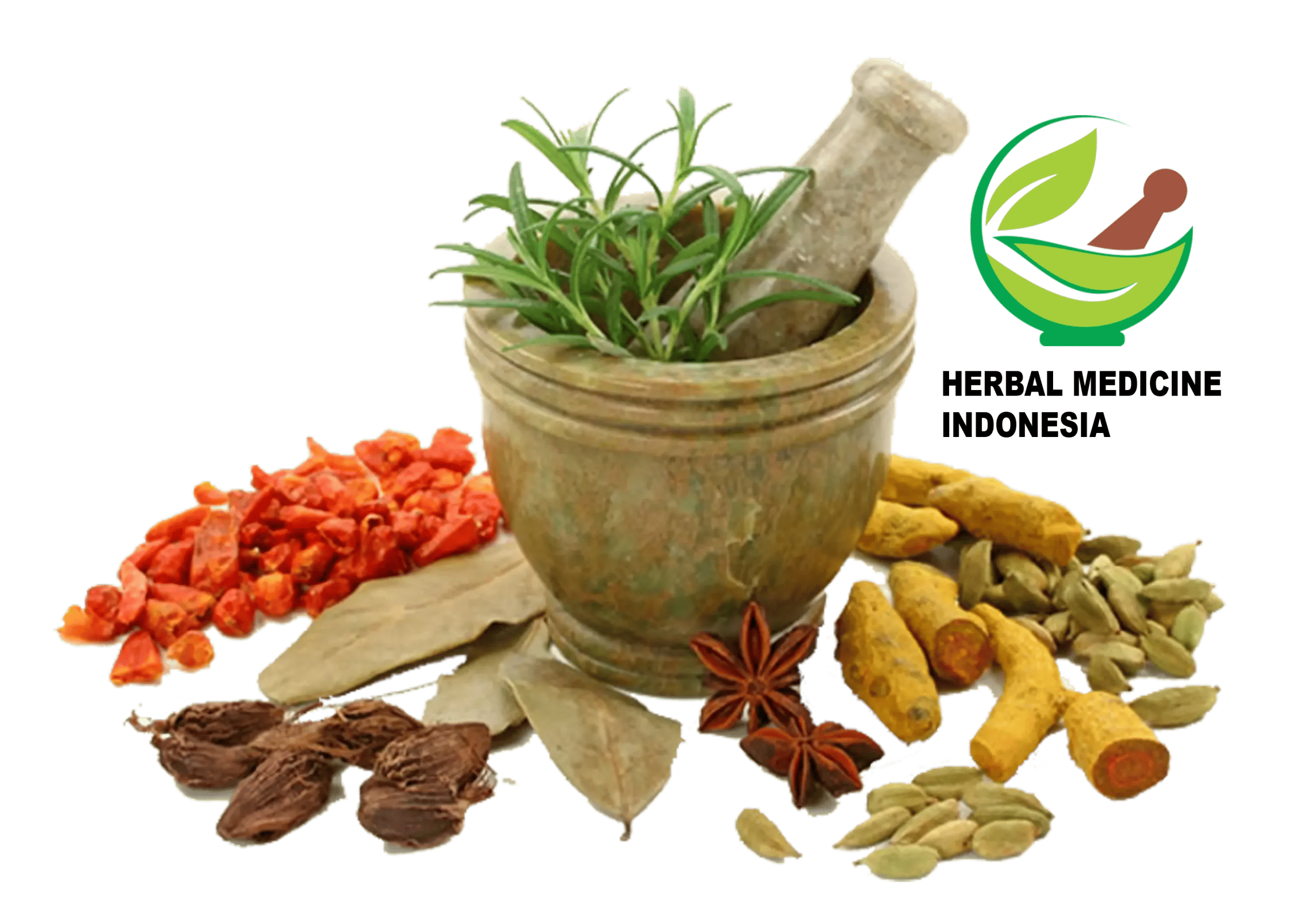

One in five adults in China now lives with diabetes, a scale that has pushed health systems to seek safe, accessible options beyond standard drugs.
Across the past years, clinicians have moved many traditional approaches from the margins into routine adjuvant use. National policy in 2022 set higher evidence bars with a GRADE-based primary care guideline, and cities now pilot co‑management models that pair modern medicine with herbal and nonpharmacological support.
Clinical reports suggest added benefits for glucose control, weight, and symptom relief when these options complement prescribed treatment. Research points to multi-target botanical effects, neuroendocrine signaling, and gut microbiota shifts as possible mechanisms.
For readers in Thailand, the article will later introduce Langnis — a Thai-market herbal option made from premium, legal herbs and processed to enhance absorption — and explain safety, regulation, and practical use alongside standard care.
Friendly promise: this piece gives research-aware, practical insights you can discuss with your health team.
List of contents:
- Why Diabetes Care Is Ripe for Transformation Today
- Integrating Traditional Chinese Medicine with Modern Endocrinology
- Clinical Evidence at a Glance: From Symptoms to Outcomes
- Mechanistic Insights: How Chinese Herbal Medicine May Influence Glucose Metabolism
- Gut Microbiota and TCM: An Emerging Axis in Type 2 Diabetes
- From Prediabetes to Prevention: Adjuvant TCM Strategies
- Symptom‑Centered Care: Easing the Daily Burden for Patients
- Managing Complications: Retinopathy, Nephropathy, and Neuropathy
- Nonpharmacological TCM Therapies Gaining Traction
- How Traditional Asian Remedies Are Transforming Diabetes Care
- Spotlight on Langnis: A Thai‑Market-Ready Herbal Option for Blood Sugar Support
- Elderly Diabetes Needs: Safety, Tolerability, and Multi‑Target Care
- Regulation, Quality, and Safety Signals in Herbal Medicine
- Thailand and Southeast Asia: Local Relevance and Patient Expectations
- Research Frontiers: Active Ingredients, Standardization, and Clinical Research
- Conclusion
- FAQ
- What evidence supports using traditional Chinese medicine for type 2 diabetes?
- Can herbal therapies reduce risk of diabetic kidney disease (diabetic nephropathy)?
- How do herbal medicines influence glucose metabolism and insulin resistance?
- Is there a role for TCM in prediabetes and prevention?
- How does gut microbiota feature in TCM approaches to metabolic disease?
- Are nonpharmacological TCM therapies effective for diabetes symptoms?
- What safety concerns should patients consider with Chinese patent medicines?
- How do clinicians integrate TCM with modern endocrinology in practice?
- What is the evidence behind Langnis and similar herbal options marketed for blood sugar support?
- How should treatment differ for elderly patients with diabetes using herbal therapies?
- What research is most needed to strengthen recommendations for herbal use in diabetes?
- How do regulations and quality standards affect patient safety in Southeast Asia?
- Can TCM help with diabetic retinopathy and peripheral neuropathy?
- Related posts:
- Meditation and Mindfulness for Diabetes Stress Management
- Balancing Hormones and Blood Sugar with Herbal Support
- Lifestyle Modifications to Prevent Type 2 Diabetes
Key Takeaways
- Diabetes prevalence is driving renewed interest in accessible adjuvant options.
- China’s 2022 guideline raised evidence standards for traditional practices.
- Some studies show benefits for glucose, weight, and patient symptoms.
- Mechanisms may include microbiota and multi-target botanical effects.
- Safety, product quality, and co‑management with clinicians matter most.
Why Diabetes Care Is Ripe for Transformation Today
Large-scale trends and shifting demographics make change urgent.
IDF estimates show China has roughly 140.9 million adults with diabetes, and the global burden rose to 537 million adults in 2021. Projections point to about 783 million by 2045. Older adults (≥65) form a fast-growing segment — from 122.8 million now to an expected 253.4 million in a few years.
These numbers matter for Thailand and neighboring countries. Urbanization, diet shifts, lower activity, and rising obesity combine to raise risk across the region.
Health systems face more complex patients with multiple conditions and polypharmacy. Rising costs and strained services push policymakers to test complementary strategies that show measurable effect and acceptable safety.
Multidisciplinary risk assessment programs in several regions reduced complications and healthcare use over years. Primary care–friendly guidance for adjuvant therapies can widen access and boost patient engagement.
- Scale: IDF-aligned estimates highlight urgency.
- Older adults: rising prevalence increases complexity.
- Systems: cost and capacity drive innovation in treatment.
Integrating Traditional Chinese Medicine with Modern Endocrinology
In December 2022, China’s national guideline introduced a GRADE‑based framework that defines when chinese medicine can be offered as an adjuvant in primary care.
The guideline is a policy milestone. It sets evidence thresholds, groups recommended nondrug and external options, and gives practical pathways clinicians can follow. GRADE strengthens clinician confidence by rating certainty and highlighting gaps for future studies.
Co‑management of three disciplines in practice
The co‑management model pairs endocrinologists, TCM practitioners, and health managers to build shared care plans. Endocrinologists manage pharmacologic targets; chinese medicine practitioners tailor syndrome‑based adjuvant measures; managers track outcomes and education.
- Implemented in Xiamen, Shenzhen, Beijing, Shanghai and several provinces with positive patient acceptance.
- Integrated plans combine drugs, lifestyle, and selected tcm treatment to seek additive glycemic and symptom benefits.
- Early experience shows feasibility, better adherence, and practical lessons for workflow and training.
For Thai clinics piloting this approach, start small: symptom‑centered adjuncts, structured exercise, measurable outcomes, and iterative scaling.
Clinical Evidence at a Glance: From Symptoms to Outcomes
Multiple controlled studies show that adding targeted herbal formulas or exercises can shift clinical measures and patient symptoms in meaningful ways.
Consistent signals from meta-analyses and randomized trials point to improvements in nerve conduction, gastrointestinal symptoms, sleep, and quality of life when certain adjuvant approaches are paired with standard treatment.
Reported benefits: glucose metabolism, weight, and QoL
Some RCTs report better fasting blood glucose, 2‑hour glucose, and HbA1c in prediabetes after structured exercises like Tai Chi and Baduanjin. Trials combining herbal formulas with Western medicine showed gains in nerve conduction velocity for diabetic peripheral neuropathy.
Other studies found Shenling Baizhu Powder plus pirenzepine reduced recurrence of diabetic diarrhea versus pirenzepine alone. External paste therapy at Shenque eased chronic constipation. Auricular acupressure helped insomnia in older patients with diabetes.
Where evidence is strong vs. where we need better trials
Evidence is relatively robust for specific symptom domains (neuropathy, some GI issues, sleep) and selected patent medicines for eye and kidney markers. However, sample sizes, variable formulations, and short follow‑up limit certainty about long‑term therapeutic effects.
- Strong: symptom relief (neuropathy, GI, sleep) and exercise effects on glucose metabolism.
- Promising: add‑on patent medicines for retinopathy and nephropathy markers.
- Gaps: standardized dosing, safety profiles, and scalable protocols for primary care.
Practical note: clinicians in Thailand can discuss low‑risk external therapies and exercise options with patients, set measurable targets for blood glucose, and agree on monitoring to evaluate real‑world effect over months and years.
Mechanistic Insights: How Chinese Herbal Medicine May Influence Glucose Metabolism
Researchers increasingly link certain herbal compounds to improved cellular glucose uptake and protection of insulin‑producing cells.
Insulin resistance, β‑cell function, and glucose homeostasis
Select botanicals and formulas appear to reduce insulin resistance by improving signaling in liver, muscle, and adipose tissue.
Some ingredients show protective effects on β‑cell survival and may help stabilize fasting and postprandial glucose through multi‑omics pathways.
Inflammation, neuroendocrine signaling, and metabolic pathways
Anti‑inflammatory and antioxidant actions can lower metabolic stress in pancreatic islets and peripheral tissues.
Neuroimmune and neuroendocrine modulation — including appetite and satiety signals — may change peripheral glucose handling and modest weight.
- Translational effect: improved fasting/postprandial blood glucose and symptom relief in some studies.
- Preparation matters: decoctions, extracts, and patent medicines differ in bioactive profiles and bioavailability.
- Clinical fit: consider phenotype (IR‑dominant vs. β‑cell fragility) when choosing adjuvant options.
Next step: biomarker‑rich trials that link mechanistic endpoints to clinical outcomes will clarify which herbal strategies give meaningful, reproducible benefit.
Gut Microbiota and TCM: An Emerging Axis in Type 2 Diabetes
Emerging research links shifts in gut microbes to measurable changes in blood glucose and inflammation in people with type 2 diabetes.
Microbiota composition and metabolites such as short‑chain fatty acids (SCFAs) and bile acids influence insulin sensitivity and systemic inflammation. These molecules modulate signaling that affects fasting and post‑meal glucose and gut barrier health.
Several recent studies suggest certain medicine formulas and low‑impact exercises can shift microbial communities and strengthen barrier function. That shift may reduce insulin resistance and improve GI comfort for some patients.
Practical steps include boosting dietary fiber, adding fermented foods, and teaching stress‑reducing routines alongside clinician‑guided adjuvant treatment. These steps support a resilient microbiome and help stabilize blood markers.
To confirm causality, trials need standardized microbiome endpoints and dose‑response data. For Thai patients, simple changes—diverse plant foods, regular gentle movement, and sleep hygiene—are accessible ways to pair lifestyle with evidence‑aware adjuvant medicine.
From Prediabetes to Prevention: Adjuvant TCM Strategies
Intervening during impaired glucose tolerance can lower conversion rates and improve insulin response.
What is prediabetes (IGT)? Prediabetes means fasting glucose or 2‑hour glucose is higher than normal but below the threshold for type diabetes mellitus. Early action reduces the chance of developing full‑blown disease.
Evidence and lifestyle integration
A multicenter RCT found that adding selected TCM measures to standard treatment cut IGT conversion and improved insulin resistance in high‑risk groups. Systematic reviews report that traditional Chinese exercises lower fasting glucose, 2‑hour glucose, and HbA1c in prediabetes.
Practical exercise options
- Tai Chi, 24‑Style: start 10–20 minutes daily for balance and gentle aerobic effect.
- Baduanjin: simple movements for older patients; aim for 20–30 minutes most days.
- Other choices: Wuqinxi and Yijinjing for strength, flexibility, and stress reduction.
Integration and safety: Combine weight, blood pressure, and lipid control with selective acupuncture, auricular therapy, or prescribed formulas under clinician guidance. Monitor blood glucose when starting new routines and tailor to frailty or comorbidity.
Track simple metrics: step count, waist circumference, fasting glucose, and sleep quality to gauge effect and keep patients engaged.
Symptom‑Centered Care: Easing the Daily Burden for Patients
Many patients face daily symptoms—fatigue, poor sleep, and gut troubles—that erode quality of life and adherence to treatment.
Practical, symptom‑focused plans can reduce suffering and help patients stick with prescribed medicine. Evidence shows targeted formulas improved nerve conduction and overall efficacy for neuropathic discomfort in several studies.
Managing fatigue, insomnia, GI issues, and neuropathic discomfort
Common burdens: fatigue, insomnia, constipation or diarrhea, and numbness or burning in feet. These issues often lower activity and worsen blood control.
Options with supportive data include Shenling Baizhu Powder for diabetic diarrhea and external pastes for constipation. Rhubarb tannins and emodin plausibly stimulate intestinal wall activity, offering a measurable effect on bowel frequency.
Auricular acupressure showed benefit for insomnia in older patients in randomized work. Neuropathy‑focused formulas improved nerve signals and reported symptoms in several clinical groups.
- Combine standard medication with safe adjuncts to improve comfort and adherence.
- Keep a simple symptom diary: sleep hours, stool frequency, pain scores, and mood.
- Use foot care: regular inspection, gentle acupoint massage, and warm foot baths for peripheral symptoms under guidance.
“Symptom relief often leads to better glycemic stability and quality of life,”
Practical notes: encourage hydration and steady blood targets; track effects for weeks to months. Any herb‑drug concerns should prompt clinician‑guided tapering or adjustment.
Managing Complications: Retinopathy, Nephropathy, and Neuropathy
Managing long-term complications demands both precise monitoring and practical adjuvant options that support vision and kidney function. Add‑on treatments may help structural markers while patients continue standard referral and testing.

Chinese patent medicines alongside conventional therapy
Studies show certain chinese patent formulas—Compound Danshen Dripping Pills, Compound Xueshuantong Capsule, and Qiming granule—used with conventional treatment improved retinal microaneurysms, hemorrhage, macular thickness, and visual acuity versus calcium dobesilate alone.
Network and meta‑analysis signals for kidney outcomes
A network meta‑analysis of 41 RCTs reported that Dihuang pill prescriptions plus standard therapy reduced serum creatinine, 24‑hour urinary protein, and fasting blood glucose, improving total clinical effective rate for diabetic nephropathy and diabetic kidney disease.
Peripheral symptom support: foot baths and acupoint massage
Foot baths and acupoint massage may boost microcirculation and ease cold numb pain. Combined with routine foot care, these methods can increase comfort and adherence for patients with neuropathy.
- Remember: these are adjuncts, not replacements for ophthalmology or nephrology follow‑up.
- Monitor blood pressure, electrolytes, and glucose when adding new medicine or therapies.
- Schedule adjuncts twice weekly to start, then adjust to monthly goals for vision comfort, foot sensation, and kidney protection markers.
“Adjunct therapies can complement monitoring and preserve function when used under guided follow‑up.”
Nonpharmacological TCM Therapies Gaining Traction
Nonpharmacological approaches are gaining fast uptake in clinics as teams seek adjuncts that ease symptoms without adding more pills.
Needle and ear therapies
Acupuncture is included in the guideline for its anti‑inflammatory and neuroendocrine effects. Trials and mechanistic studies link needling to pain relief, autonomic balance, and modest metabolic shifts that may influence blood glucose.
Long‑acting point stimulation
Acupoint catgut embedding delivers longer stimulation at key points. Clinics use it when repeated sessions are impractical or when sustained appetite or pain control is desired.
External and ocular methods
Acupoint sticking offers an external option for patients with GI sensitivity or heavy polypharmacy. It avoids oral exposure and suits primary care settings.
Nebulization/fumigation aimed at ocular health has shown improved visual potential and acuity in some small studies. Protocols usually run several sessions weekly with objective vision measures recorded.
- Select licensed practitioners with formal training in chinese medicine and medical integration.
- Start with 1–2 weekly sessions for needles or auricular work; adjust to every 2–4 weeks for embedding.
- Document symptoms, appetite, sleep, and fasting blood to track personal benefit.
“These non‑drug options can support symptom relief and engagement when used under clinician guidance.”
How Traditional Asian Remedies Are Transforming Diabetes Care
Policy plus practice now gives primary care teams a clear path to offer selected herbal and nonpharmacologic options as adjuncts to standard endocrine treatment.
China’s 2022 guideline and city co‑management pilots built a scalable framework that links endocrinologists, herbal clinicians, and primary teams. This model focuses on safety, measurable targets, and patient preference.
Clinical evidence and real‑world programs report adjunct benefits for neuropathy, GI symptoms, sleep, and some metabolic markers. Gentle exercise—Baduanjin and Tai Chi—adds measurable gains in fasting and postprandial glucose and quality of life.
- Patient‑centered, safety‑first: combine adjuvant medicine with monitoring and drug‑interaction checks.
- Multi‑target action: botanicals, lifestyle, and exercise act on inflammation, microbiota, and metabolism.
- Local adaptation: Thai clinics can pilot co‑management using trained staff and legal, quality‑sourced products.
“Track simple outcomes—fasting glucose, symptom scores, and function—then adjust plans iteratively.”
Next: a concrete, Thailand‑ready example—Langnis—as an adjuvant option to discuss with patients and teams.
Spotlight on Langnis: A Thai‑Market-Ready Herbal Option for Blood Sugar Support
Langnis presents a Thailand‑ready formula that combines regional botanicals and modern processing to support metabolic goals. It is positioned as an add‑on to diet, exercise, and prescribed therapy rather than a standalone treatment.
What’s inside: Pulasari, Pulai, Sambiloto, and Duwet
Composition per serving: Alyxiae Renwardtii Cortex (Pulasari) 800 mg; Alstoniae Scholatidis Cortex (Pulai) 1200 mg; Andrographis paniculata Herba (Sambiloto) 800 mg; Syzygium cumini Semen (Duwet) 200 mg.
These ingredients reflect regional use and were chosen for complementary actions on appetite, GI comfort, and glucose handling.
Langnis uses advanced extraction and micro‑formulation to improve consistency and absorption of active ingredients. The product is marketed as 100% genuine, premium, and legally sourced to meet Thai quality expectations.
Positioning Langnis as an adjuvant within comprehensive care
Recommend Langnis as an adjunct to prescribed medicine and lifestyle upgrades for patients seeking symptom relief or gradual blood glucose support.
- Best for patients focused on lifestyle change and tolerability.
- Use under clinician guidance; monitor fasting and post‑meal readings.
- Track energy, GI comfort, and glycemic trends for 4–12 weeks to assess effect.
“Premium sourcing and consistent processing matter most when patients add herbal medicine to a treatment plan.”
Elderly Diabetes Needs: Safety, Tolerability, and Multi‑Target Care
For seniors, the balance between avoiding low blood sugar and preserving independence becomes the main clinical aim. Aging changes β‑cell resilience, insulin sensitivity, and vascular integrity, creating complex needs for patients with type diabetes mellitus.

Vascular aging, cognitive decline, sarcopenia, and hypoglycemia risk
Vascular aging raises stroke and cardiac risk while cognitive decline and sarcopenia reduce mobility and self‑care. Hypoglycemia is particularly dangerous; minimizing episodes must guide any treatment choice for older patients.
Why individualized approaches may fit frail patients
Multi‑target, personalized medicine can address sleep, appetite, pain, and mobility with fewer drugs and better tolerability. Care plans should simplify dosing, engage caregivers, and set goals tied to function and quality of life.
- Favor gentle exercises for balance and strength (short walks, chair-based routines).
- Foot care: daily inspection, safe nail care, and warm foot baths to reduce ulcer risk.
- Start low with any herbal or adjunct medicine, monitor renal and hepatic labs, and reconcile all prescriptions to avoid interactions.
“Prioritize independence and safety—start low, monitor closely, and document meaningful goals.”
Regulation, Quality, and Safety Signals in Herbal Medicine
When sourcing, labeling, and batch testing align, patients get consistent medicine with predictable effects.
The 2022 guideline used GRADE to compile evidence and highlighted that chinese patent and traditional chinese patent products showed additive benefits in some trials with generally acceptable safety. Clinicians note strong demand for standardized nonpharmacological measures and clear quality control.
Premium sourcing, legal compliance, and good manufacturing practice matter for safety and consistency. Labels should list standardized extracts, batch testing results, and clear dosing guidance so clinicians and patients can compare products.
- Choose products with transparent composition and traceable supply chains to reduce contamination risk.
- Run safety checkpoints: baseline liver and kidney tests, allergy screening, and a drug‑herb interaction review before adding any treatment.
- Prefer licensed practitioners for acupuncture and external therapies to ensure correct technique and monitoring.
Final note: more GRADE‑aligned RCTs and better‑reported clinical research are needed to confirm which medicines and protocols give reliable, long‑term effect and to guide safe use for patients in Thailand.
“Quality control and practitioner training are the foundation of safe adjunct treatment.”
Thailand and Southeast Asia: Local Relevance and Patient Expectations
Patient preference shapes what clinics offer. Many Thai patients seek culturally familiar options alongside standard treatment. Clinics can use that trust to promote safe, monitored pathways.
Bridging traditional practices with evidence‑informed guidance
Start with respectful dialogue. Ask about past use of herbs, movement routines, or external therapies. Record goals: blood sugar trends, sleep, and daily energy.
- Offer short counseling workflows: review meds, note herbs, set monitoring plan, and schedule follow‑up.
- Run weekly group classes (Tai Chi, Baduanjin) through community partners to boost adherence and social support.
- Provide bilingual leaflets and visuals that demystify acupressure and acupoint sticking for patients and caregivers.
Highlight safety and local trust. Point patients to legally compliant products and licensed practitioners. Monitor labs and symptoms for early signs of interaction or effect.
“Outcome‑focused communication — showing clearer blood sugar trends and better sleep — keeps patients engaged.”
Research Frontiers: Active Ingredients, Standardization, and Clinical Research
Recent work is shifting focus from mixed decoctions to well‑characterized extracts and fixed patent formulations to enable reproducible trials.
From classical formulas to extracts and chinese patent medicines
Years of practice produced diverse house formulas with variable chemistry. Now, research groups favor defined extracts and chinese patent products that list consistent active ingredients and dosing.
Standardized products improve batch consistency, bioavailability, and safety reporting. That makes it easier for clinicians to compare effect across studies and in clinic.
Designing rigorous, GRADE‑aligned trials in primary care
Pragmatic trials should test add‑on treatment in real settings with clear inclusion criteria (for example, elderly definitions) and robust safety endpoints.
- Use real‑world endpoints: HbA1c, symptom scores, adherence, and adverse events.
- Stratify groups: subgroup analyses by phenotype using syndrome differentiation to personalize treatment.
- Link mechanism to outcome: include microbiome and inflammatory biomarkers in studies to explain clinical signals.
Call to action: multicenter collaborations across Southeast Asia can build regionally relevant evidence and speed adoption of safe, scalable medicine in primary care.
“Well‑standardized products and GRADE‑aligned clinical research will turn promising signals into practice‑ready options.”
Conclusion
In short, integrated models and the 2022 guideline offer a clearer route for safe, evidence‑aware adjuvant use that supports symptom relief and glycemic goals.,
Langnis—made from 100% genuine, premium, legal herbs (Pulasari, Pulai, Sambiloto, Duwet) and processed for enhanced absorption—can be considered as an add‑on within comprehensive treatment. Use it only with clinician guidance and regular lab and symptom monitoring.
Nonpharmacological options and exercise remain practical complements in primary care. Early studies and city pilots show benefit for symptoms and some complication markers, yet more rigorous trials and standardization will refine protocols for different patient groups.
Ask your care team about Langnis, set personalized goals, and track blood and symptom trends over months to judge real effect and safety.
FAQ
What evidence supports using traditional Chinese medicine for type 2 diabetes?
Randomized trials, systematic reviews, and network meta-analyses report that some Chinese herbal formulas and patent medicines can improve fasting glucose, HbA1c, insulin resistance, and patient-reported quality of life. Evidence is strongest for short-term metabolic benefits and symptom relief; larger, longer trials with standardized extracts and clear syndrome differentiation are still needed to confirm long-term outcomes and effects on complications such as nephropathy and retinopathy.
Can herbal therapies reduce risk of diabetic kidney disease (diabetic nephropathy)?
Several clinical studies and meta-analyses suggest certain Chinese herbal medicines may slow decline in renal function, reduce proteinuria, and lower inflammation markers when added to standard care. Results vary by formulation and study quality. Patients with kidney disease should only use herbs under supervision because dosing, interactions, and product quality affect safety.
How do herbal medicines influence glucose metabolism and insulin resistance?
Active plant compounds can act on multiple pathways: improving insulin signaling, protecting β‑cell function, modulating inflammation and oxidative stress, and altering gut microbiota. Mechanistic studies show effects on AMPK, PI3K‑AKT, and inflammatory cytokines, which helps explain observed improvements in glucose homeostasis in some trials.
Is there a role for TCM in prediabetes and prevention?
Yes. Trials combining lifestyle change with herbal formulas, acupuncture, or mind‑body exercises report better conversion rates to normoglycemia and improved markers of glucose tolerance. Practices like Tai Chi and Baduanjin also support weight control, insulin sensitivity, and adherence to healthy habits as part of a prevention strategy.
How does gut microbiota feature in TCM approaches to metabolic disease?
Growing research links herb-induced shifts in gut microbiota with improved metabolic profiles. Some formulas foster beneficial bacteria that produce short-chain fatty acids, modulate bile acids, and reduce endotoxemia—mechanisms that can improve insulin sensitivity and systemic inflammation.
Are nonpharmacological TCM therapies effective for diabetes symptoms?
Acupuncture, auricular therapy, acupoint catgut embedding, and external therapies (massage, fumigation, topical sticking) have shown benefits for neuropathic pain, sleep, fatigue, and some gastrointestinal complaints. Evidence quality varies; these therapies are often used as adjuncts to conventional care for symptom-centered management.
What safety concerns should patients consider with Chinese patent medicines?
Safety issues include herb–drug interactions (especially with insulin, sulfonylureas, and anticoagulants), contaminated or adulterated products, and variable dosing. Choose products with good manufacturing practices, verified sourcing, and transparent labeling. Discuss all supplements with your endocrinologist or nephrologist before use.
How do clinicians integrate TCM with modern endocrinology in practice?
Integrative models emphasize co‑management: shared decision-making, syndrome differentiation by trained practitioners, standardized monitoring of glucose and renal markers, and adjustments of conventional medications to avoid hypoglycemia. China’s 2022 primary care guideline promotes such collaboration in primary care settings.
What is the evidence behind Langnis and similar herbal options marketed for blood sugar support?
Market-ready products like Langnis typically combine bitter herbs such as sambiloto and duwet with standardized processing to improve absorption. Clinical claims vary; look for peer‑reviewed trial data, standardized extract certificates, and regulatory approvals. Consider them as adjuncts alongside diet, exercise, and prescribed medications, not replacements.
How should treatment differ for elderly patients with diabetes using herbal therapies?
Older adults face vascular aging, cognitive decline, sarcopenia, and higher hypoglycemia risk. Practitioners should individualize herb selection and dosing, prioritize safety and tolerability, monitor renal and hepatic function, and coordinate closely with primary care to avoid adverse interactions and polypharmacy.
What research is most needed to strengthen recommendations for herbal use in diabetes?
High-quality, multicenter randomized controlled trials with adequate sample sizes, standardized interventions (well-characterized extracts or patent formulas), syndrome stratification, and GRADE-aligned endpoints are needed. Studies should include hard outcomes—cardiovascular events, renal progression, vision loss—and longer follow-up.
How do regulations and quality standards affect patient safety in Southeast Asia?
Regulatory frameworks vary across ASEAN countries. Good manufacturing practice (GMP) certification, product registration, and pharmacovigilance improve safety. Thailand and neighboring countries increasingly align traditional practice with evidence-informed guidance to meet patient expectations while raising quality control.
Can TCM help with diabetic retinopathy and peripheral neuropathy?
Network meta-analyses and clinical reports indicate some Chinese patent medicines and formulas may support vision outcomes and reduce neuropathic symptoms when used with standard ophthalmic or neurologic care. Interventions such as foot baths and acupoint massage can relieve peripheral discomfort but should complement, not replace, established therapies.