Surprising fact: nearly one in three adults will develop type 2 diabetes or prediabetes in their lifetime, and small daily habits can change that path.
Many lifestyle factors — poor sleep, stress, extra weight, and high-added sugar diets — blunt insulin action and raise blood sugar levels. Short bursts of exercise and simple meals can improve reaction within hours.
This guide shows evidence-based teas, spices, and botanicals that may help improve sensitivity while keeping life practical for busy people in Thailand. We’ll highlight green tea, apple cider vinegar, cinnamon, fenugreek, turmeric, ginger, and common research-backed supplements like berberine and chromium.
Langnis is a premium blend made from Pule, Sambiloto, and Duwet extracts. It uses advanced processing for faster absorption and aims to help control blood sugar more quickly. Remember: these approaches pair with movement, sleep, and proper medical care, not replace it.
List of contents:
- Understanding insulin sensitivity and why it matters for blood sugar levels
- Herbal Infusions to Support Healthy Insulin Sensitivity
- Spotlight on Langnis: a premium herbal blend designed to help relieve diabetes symptoms
- Evidence-backed herbs and spices for insulin sensitivity: what studies suggest
- Teas and vinegars that may reduce blood sugar and improve insulin response
- Lifestyle boosters that amplify the effects of herbal infusions
- Safety, interactions, and smart use with medications
- Choosing quality herbal products in the present market
- Sample listicle plan: simple ways to add herbs and teas to your daily routine
- Conclusion
- FAQ
- What is insulin sensitivity and why does it matter for blood sugar?
- Can plants and spices really affect glucose and insulin levels?
- How does green tea influence insulin action?
- Is apple cider vinegar effective for post-meal blood sugar?
- What are berberine and chromium, and how do they help?
- What makes Langnis different from other supplements?
- Can Langnis replace prescribed diabetes medications?
- Are there safety concerns or interactions with these herbs and supplements?
- What lifestyle changes best amplify the effects of these plant-based supports?
- How should I choose quality botanical products on the market?
- Can I use cinnamon or fenugreek daily, and at what amounts?
- Do magnesium and resveratrol help with insulin sensitivity?
- Are teas and vinegars safe with diabetes medications?
- How quickly might someone notice benefits from adding these plants and teas?
- Related posts:
- Effective Diabetes Reversal Strategies
- Myth vs. Reality: Can Diabetics Ever Eat Sweets Again?
- Capsule, Tea, or Extract? Best Form for Diabetic Herbs
Key Takeaways
- Small changes—spices, a morning tea, and vinegar dressings—can smooth post-meal glucose.
- Exercise improves insulin action immediately and for up to 48 hours.
- Cinnamon, fenugreek, turmeric, and ginger show promising effects in human research.
- Langnis offers a legal, natural blend aimed at faster absorption for quicker blood sugar control.
- Always check interactions if you have diabetes or take glucose-lowering drugs; consult a clinician.
Understanding insulin sensitivity and why it matters for blood sugar levels
Think of insulin as a messenger that tells your body’s cells to pull sugar from the blood. When those cells respond well, glucose moves into muscle and liver stores and blood levels stay steady.
Low insulin sensitivity — sometimes called insulin resistance — forces the pancreas to make more insulin. Over time, extra demand can strain insulin-producing cells and raise the risk of type 2 diabetes.
Everyday signs include energy dips after meals and strong cravings. These come from fast swings in glucose when sensitivity drops.
There are quick wins. A single workout can improve sensitivity within hours, and regular sessions build longer gains in weeks, according to studies. Sleep loss and chronic stress blunt this effect, while frequent high-sugar meals make it worse.
- Why it matters: steady blood levels protect nerves and organs over years.
- What helps: exercise, better sleep, lower added sugars, and more fiber-based carbs.
- People differ: genes, body weight, and daily habits change how fast improvement appears.
Understanding this foundation helps you pick simple habits and gentle plant teas that may match your routine. Small, consistent changes often beat dramatic fixes.
Herbal Infusions to Support Healthy Insulin Sensitivity
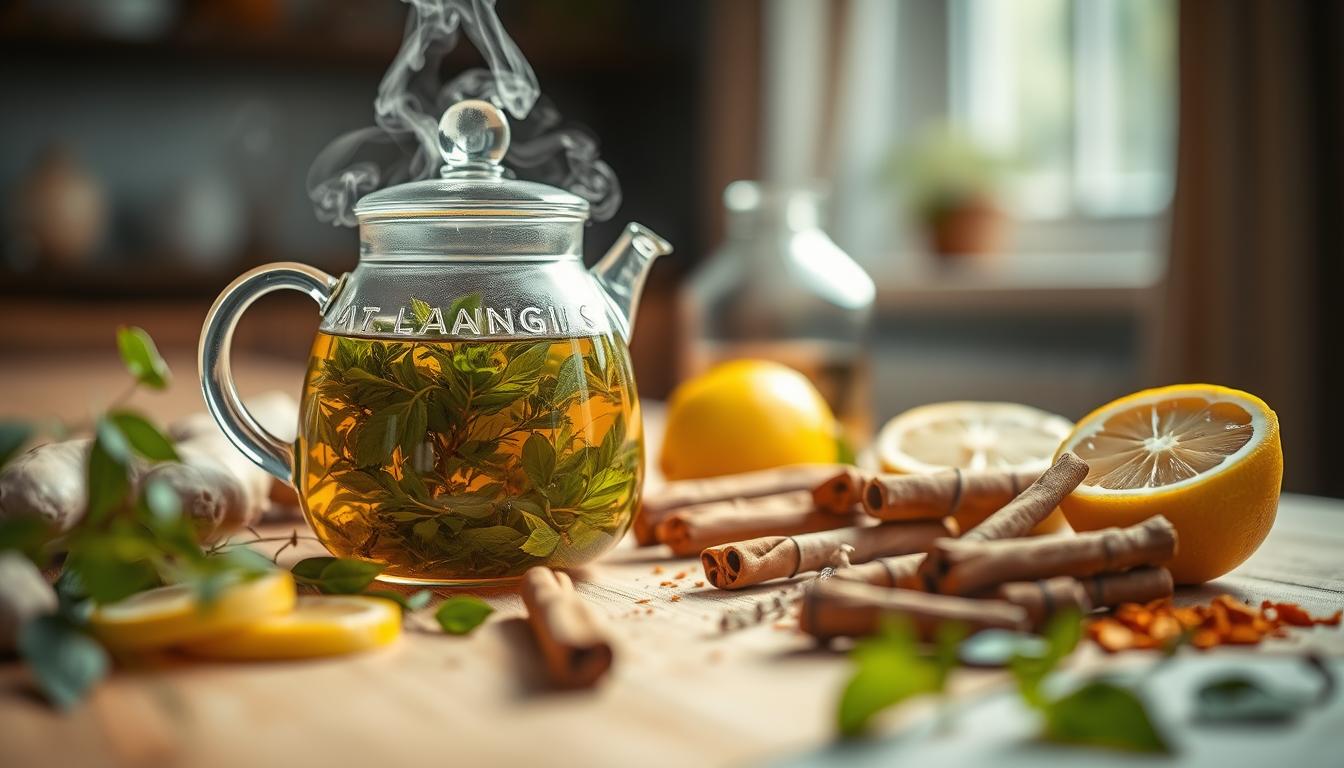
A quick pantry guide: cinnamon and fenugreek for kitchen-friendly infusions, turmeric and ginger for warming blends, and green tea for a daily antioxidant lift.
Classic kitchen herbs and warming blends
Cinnamon may increase insulin signaling and help shuttle glucose into cells, so add a stick to porridge or tea. Fenugreek seeds bring soluble fiber that slows digestion and evens post-meal levels.
Turmeric, ginger, and green tea
Turmeric’s curcumin offers anti-inflammatory and antioxidant actions that can aid insulin pathways. Pair turmeric with black pepper and ginger for better absorption and flavor.
Ginger contains gingerol, which may increase muscle sugar uptake. Green tea supplies EGCG, an antioxidant linked in some studies found to increase insulin action—enjoy plain or with lemon.
Vinegar, berberine and chromium
Apple cider vinegar before a meal may slow gastric emptying and blunt post-meal glucose rises. For targeted support, berberine and chromium show promising effects on blood sugar, but consult a clinician before use.
- Practical tip: try cinnamon + ginger or turmeric + black pepper blends.
- Consistency wins: small doses at lunch and dinner beat rare large servings.
Langnis combines classic Southeast Asian plant extracts with modern processing aimed at quicker absorption. This formula is presented as a complementary option for managing daily blood sugar swings alongside diet and movement.
What makes it different
Quality first: Langnis uses 100% genuine, legal herbs processed with advanced technology to enhance bioavailability. The goal is a faster onset of action for active plant compounds.
How it may help
Traditional uses and lab data suggest components may influence glucose pathways and help increase insulin activity in muscle and liver. Results and effects vary by person, so track fasting and post-meal readings.
Exact composition per serving
- Alyxiae Renwardtii Cortex (Pulasari) — 800 mg
- Alstoniae Scholatidis Cortex (Pulai) — 1200 mg
- Andrographis paniculata Herba (Sambiloto) — 800 mg
- Syzygium cumini seed (Duwet) — 200 mg
This product is aimed at people diabetes seeking botanical adjuncts within a supervised plan. Consistent daily use may also help steadier levels when paired with fiber-rich meals, sleep, and exercise.
Safety note: if you take glucose-lowering drugs, discuss timing and dose with your clinician to avoid unexpected reduce blood fluctuations. Monitor your readings and adjust with medical guidance.
Evidence-backed herbs and spices for insulin sensitivity: what studies suggest
Clinical trials and lab research have examined common spices and supplements for measurable changes in insulin action and glucose control. Below are concise findings from human studies and reviews that may help people in everyday routines.
Cinnamon: enhancing insulin signaling
Cinnamon extracts have shown increased insulin sensitivity and better fasting and post-meal glucose in several studies. Use water-soluble, standardized extracts (for example, Cinnulin PF) to avoid coumarin exposure.
Fenugreek: soluble fiber and improved efficiency
Trials with fenugreek seeds report improved post-meal control. The soluble fiber slows digestion and may boost insulin signaling when added to foods or tea.
Turmeric/curcumin: anti-inflammatory action
Research shows curcumin activates AMPK and has antioxidant effects that support metabolic pathways. Pair with black pepper for better absorption.
Ginger and garlic: early data on glucose and secretion
Preclinical and small human trials suggest ginger improves glucose and lipids. Garlic may help insulin secretion. Use them in broths and stir-fries for regular intake.
Berberine, magnesium, and resveratrol: supplemental support
- Berberine: meta-analyses show dose-dependent drops in fasting and post-meal readings at ~500 mg two to three times daily.
- Magnesium & resveratrol: supportive roles in signaling and inflammation; follow label guidance and clinician advice.
- Tea polyphenols: black, green, and oolong teas have shown modest increases in insulin activity in some studies.
Practical note: start with culinary doses and track fasting and 2-hour post-meal readings. Study designs vary, so standardized extracts and medical oversight help replicate positive results.
Teas and vinegars that may reduce blood sugar and improve insulin response
A few daily cups and a small splash of vinegar may steady post-meal glucose. This section looks at simple, practical drinks you can add to meals in Thailand. Use them alongside fiber-rich dishes for better, steadier results.
Green tea (EGCG): antioxidant effects and better response
Green tea supplies EGCG and other polyphenols that research links with improved insulin sensitivity and modest drops in glucose. Regular, consistent cups often show the best effects in human trials.
For best flavor and retention of catechins, brew at 70–80°C for 2–3 minutes. Aim for 2–3 cups daily and add lemon to boost polyphenol stability and taste.
Black and oolong tea also carry beneficial compounds, so rotate blends to keep the habit enjoyable. If caffeine affects sleep, choose earlier cups or decaffeinated green tea.
Apple cider vinegar: timing and gentle use
Small amounts of vinegar before meals can slow gastric emptying and help reduce post-meal spikes. Try 1–2 teaspoons diluted in water or use as a vinaigrette on salads.
Start gently to protect enamel and stomach—use a straw and rinse your mouth afterward. Pairing vinegar with high-fiber meals further smooths post-meal levels.
- What studies found: consistent daily intake supports modest improvements in insulin sensitivity and postprandial control.
- Safety note: consult your clinician if you have reflux, kidney issues, or take meds affected by acidity or caffeine.
Lifestyle boosters that amplify the effects of herbal infusions
Daily habits make a big difference in how your body handles sugar. Aim for consistent sleep, short bouts of movement, and a fiber-forward plate to pair with any botanical drinks or seasonings you enjoy. Small steps often add up faster than dramatic changes.

Sleep and stress management
Sleep goal: aim for 7–9 hours. Short sleep reduces insulin sensitivity, and a recovery night can reverse some effects.
Stress reset: brief breathwork, a short walk, or five minutes of mindfulness lowers cortisol and steadies post-meal readings.
Exercise that moves glucose into muscle
Combine aerobic and resistance work 2–3 times weekly. Studies show improved insulin action for 2–48 hours after exercise. A 10–15 minute walk after meals also blunts sugar levels.
Diet strategies that matter
- Fiber-forward plates: beans, oats, flax, and leafy greens feed gut bacteria and slow carbohydrate absorption.
- Smarter carbs: choose low-GI staples like brown rice and sweet potatoes and limit added sugar.
- Avoid trans fats and ultra-processed fried snacks that raise metabolic risk.
Track what works: combine these boosters with your favorite blends and note changes in weight and daily readings. Small, consistent gains protect long-term health.
Safety, interactions, and smart use with medications
Before adding any new tea, spice, or supplement, check how it might change your current medication plan. Small botanical or dietary changes can alter drug effects and blood readings. Talk with a clinician and bring a clear list of products you use.
When to consult your healthcare professional
Consult a clinician if you have a diagnosis of type diabetes, take glucose-lowering medications, or notice frequent low readings. A short medication review helps spot interactions early.
Considerations for people with type 2 diabetes and those on glucose-lowering drugs
Supplements such as berberine, chromium, magnesium, and resveratrol may amplify drug effects. Vinegar and certain teas can blunt post-meal spikes and might require dose adjustments.
- Collaborate: if you take prescription medications, discuss any new regimen with your clinician.
- Watch for additive effects: cinnamon, berberine, vinegar, and green tea can lower blood after meals and alter insulin requirements.
- Start low: introduce one product at a time for one to two weeks and track changes.
- Special situations: pregnancy, kidney or liver disease, and GI disorders raise extra risk—seek medical advice first.
- Quality control: choose standardized extracts with third-party testing for predictable effects.
- Timing: separate supplements and pills if advised to avoid absorption issues or stomach upset.
- When to stop: dizziness, unusual fatigue, or persistent low readings mean stop and review with your clinician.
- Document: bring home glucose logs and exact product labels to appointments for precise guidance.
“Small changes can matter—clear communication with your healthcare team keeps benefits and risks in balance.”
Choosing quality herbal products in the present market
Start with simple checks. Look beyond ads and focus on lab results, clear labels, and sourcing. These steps help you pick products that match personal goals and reduce risk.

Purity, legal status, and standardized extracts—how Langnis aligns
Prioritize purity. Choose items with third-party testing (ISO or GMP) that confirm identity, strength, and absence of heavy metals or adulterants.
Legal compliance matters. Local approvals and transparent labels improve traceability and consumer protection. Langnis lists exact per-serving amounts for Pulasari, Pulai, Sambiloto, and Duwet, which builds trust.
Standardization helps replicate study outcomes. Water-soluble cinnamon extracts and measured tea polyphenols vary across brands. Products that match studied dosages offer stronger evidence for effect on insulin activity and blood levels.
- Sourcing & processing: advanced methods can improve bioavailability of plant actives.
- Batch consistency: check lot numbers and expiration dates for steady results.
- Align to goals: pick a tea, extract, or capsule that fits your routine for better adherence.
“Keep receipts, note doses, and share labels with your clinician for safe integration, especially if you have diabetes.”
Sample listicle plan: simple ways to add herbs and teas to your daily routine
Start your day with small rituals that make it easier to manage sugar swings during busy Thai mornings.
Morning choices
Brew green tea for 2–3 minutes for an EGCG-rich start that can help increase insulin action and focus.
Or simmer a cinnamon stick with crushed fenugreek seeds, strain, and sip for a spice-forward boost that may ease post-meal spikes.
Meals and flavor hacks
Drizzle apple cider vinegar with olive oil over salads or grains to help reduce blood sugar rises after lunch.
Season dinner stir-fries with turmeric and ginger; add black pepper for better curcumin absorption and richer flavor.
Daily support and routine
Take Langnis as directed as a complementary daily supplement. Its advanced processing and genuine herbs aim for faster absorption and steadier blood sugar control.
- Pair teas and spices with fiber and protein to keep levels steadier.
- Batch-brew tea, pre-mix dressings, and keep spice blends handy for consistent intake.
- Check fasting and 2-hour readings weekly and adjust habits when needed.
Conclusion
Small daily habits—like a steady cup of tea and a short walk after meals—add up into meaningful changes in how your body handles sugar.
Evidence from studies and clinical work shows green tea, vinegar, cinnamon, fenugreek, turmeric, and ginger can help steady post-meal blood levels. Exercise, sleep, stress care, and fiber-rich meals multiply those gains for people at risk of type diabetes.
Thoughtful supplements such as berberine or chromium may help, but always coordinate with a clinician. Choose transparent, standardized products; Langnis highlights genuine, legal, premium herbs processed for faster absorption and clear composition to build trust.
Next step: pick one morning tea and one mealtime habit, track fasting and post-meal readings, and adjust with professional guidance.
FAQ
What is insulin sensitivity and why does it matter for blood sugar?
Insulin sensitivity describes how well your cells respond to insulin. Higher sensitivity means cells absorb glucose more effectively, which helps keep blood sugar stable and lowers the risk of type 2 diabetes and related complications.
Can plants and spices really affect glucose and insulin levels?
Yes. Several plants and spices—like cinnamon, fenugreek, turmeric, and ginger—have compounds that research shows may improve glucose transport, reduce inflammation, or slow carbohydrate absorption, which can help with blood sugar control when used alongside lifestyle measures.
How does green tea influence insulin action?
Green tea contains EGCG and other polyphenols with antioxidant activity. Studies suggest these compounds can enhance insulin signaling and glucose uptake in tissues, especially when combined with regular exercise and a balanced diet.
Is apple cider vinegar effective for post-meal blood sugar?
Apple cider vinegar can slow gastric emptying and reduce the rise in postprandial glucose for some people. Typical use is a small amount diluted in water before a carbohydrate-rich meal, but it should be used cautiously if you have reflux or take medications that affect potassium or blood sugar.
What are berberine and chromium, and how do they help?
Berberine is a plant alkaloid with evidence showing it can lower fasting glucose and improve insulin function. Chromium is a mineral involved in carbohydrate metabolism and may modestly improve insulin sensitivity in those with low chromium status. Both can be useful under medical guidance.
What makes Langnis different from other supplements?
Langnis promotes a blend of traditional extracts—Pulasari, Pulai, Sambiloto, and Duwet—processed for faster absorption. The product emphasizes genuine, legally sourced botanicals and standardized extraction to deliver consistent active compounds per serving.
Can Langnis replace prescribed diabetes medications?
No. Supplements like Langnis are complementary and should not replace prescribed glucose-lowering medications. Always consult your healthcare provider before adding any supplement, especially if you take insulin or other diabetes drugs.
Are there safety concerns or interactions with these herbs and supplements?
Yes. Some herbs and supplements can interact with medications (for example, increasing the risk of hypoglycemia when combined with diabetes drugs). People with liver or kidney conditions, pregnant or breastfeeding individuals, and those on multiple medications should consult a clinician before use.
What lifestyle changes best amplify the effects of these plant-based supports?
Regular aerobic and resistance exercise, a diet high in fiber and low in added sugars and trans fats, sufficient sleep, and stress management all enhance insulin sensitivity and boost the benefits of botanical aids.
How should I choose quality botanical products on the market?
Look for third-party testing, standardized extracts, clear ingredient lists, and transparent sourcing. Products that state batch testing for purity and are sold by reputable brands reduce the risk of contamination and inconsistent potency.
Can I use cinnamon or fenugreek daily, and at what amounts?
Many studies use moderate culinary amounts or standardized extracts. For whole spice use, typical daily amounts are modest (for example, 1–2 grams of cinnamon). High doses or long-term use should be discussed with a healthcare professional, as interactions and side effects can occur.
Do magnesium and resveratrol help with insulin sensitivity?
Magnesium supports glucose metabolism and may improve insulin action in those who are deficient. Resveratrol has shown promising effects in some studies by activating cellular pathways linked to insulin sensitivity, but evidence is still emerging and results vary.
Are teas and vinegars safe with diabetes medications?
They can be, but they may also potentiate glucose-lowering effects of medications. Monitor blood sugar more closely when introducing green tea, apple cider vinegar, or concentrated extracts, and notify your healthcare provider to adjust medication if needed.
How quickly might someone notice benefits from adding these plants and teas?
Some acute effects—like smaller post-meal glucose spikes with vinegar—can appear within days. Improvements in fasting glucose or insulin sensitivity from herbs, supplements, or lifestyle changes often take weeks to months and depend on dose, consistency, and individual factors.