
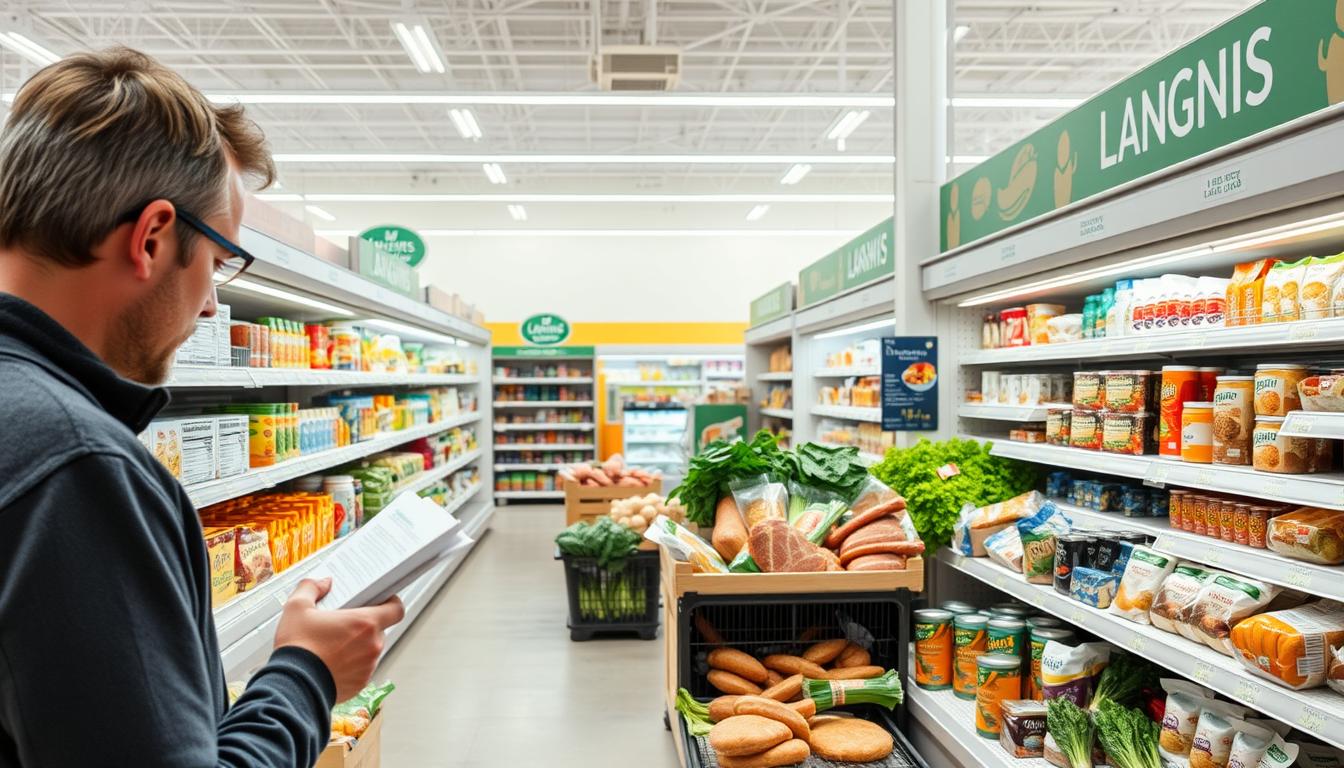
Did you know that 1 in 10 American adults now lives with diabetes? With over 38 million people affected, grocery shopping becomes a daily challenge where every label tells a story. For those managing blood sugar levels, the right food choices can feel like solving a puzzle with high stakes.
This guide isn’t about strict rules or bland meals. It’s about unlocking practical strategies to enjoy flavorful, varied foods while keeping health goals on track. Imagine walking through store aisles with confidence, knowing exactly how to spot hidden sugars or balance carbs without sacrificing taste.
We’ll explore how combining modern nutrition science with natural solutions like Langnis herbal supplements can simplify diabetes care. You’ll learn budget-friendly ways to decode confusing labels, prioritize whole foods, and build meals that work with your body—not against it.
List of contents:
- Understanding Diabetes and Natural Remedies
- Diabetic’s Guide to Smarter Grocery Shopping
- Choosing Diabetes-Friendly Foods at the Grocery Store
- Meal Planning Strategies for Effective Diabetes Management
- Incorporating Langnis: A Natural Herbal Approach
- Tips for Reading and Understanding Food Labels
- Budget-Friendly Strategies for Diabetes-Friendly Shopping
- FAQ
- How can I spot hidden sugars on food labels?
- What’s the difference between starchy and non-starchy vegetables?
- Are store-brand products a good choice for diabetes-friendly shopping?
- How do whole grains help manage blood sugar levels?
- Can apps really simplify diabetes meal planning?
- What lean proteins are best for balancing meals?
- Why is sodium content important for diabetics?
- How can I make fresh produce last longer on a budget?
- Related posts:
- Introducing Langnis: Herbal Innovation Meets Tradition
- Effective Diabetic Natural Treatment
- A Comprehensive Overview of Diabetes: Types, Risks, and Management Strategies
Key Takeaways
- Over 38 million Americans have diabetes, making informed food choices critical for health
- Learn to identify hidden sugars and carbs without compromising on flavor
- Combine dietary strategies with natural supplements for holistic care
- Discover how to shop efficiently while staying within budget
- Gain confidence in reading labels and planning balanced meals
Understanding Diabetes and Natural Remedies
Your body’s relationship with food changes when managing diabetes. Glucose from meals stays in the bloodstream instead of fueling cells, which can damage organs over time. “Food becomes medicine—or a challenge—depending on what you choose,” explains nutritionist Dr. Ananya Chaiyasut. This delicate balance makes understanding both nutrition science and traditional healing methods essential.
The Role of Diet in Blood Sugar Control
Not all carbs act the same. Whole grains release energy slowly, while sugary snacks spike blood sugar rapidly. Pairing proteins with fiber-rich vegetables creates steady energy—like adding peanut butter to apple slices. For example:
- Brown rice stabilizes levels better than white rice
- Roasted chickpeas satisfy cravings without crashing energy
Learning these patterns helps prevent sudden sugar surges that strain your system.
How Natural Ingredients Support Health
Herbs like Pule (anti-inflammatory) and Sambiloto (blood sugar regulator) have been used in Southeast Asia for generations. Langnis combines these with Duwet extract, known for supporting insulin sensitivity. Modern extraction methods break down plant compounds into smaller particles, allowing faster absorption—think of it as “unlocking” the herbs’ full potential.
Always verify supplements meet legal standards. Quality matters when choosing natural partners for your health journey.
Diabetic’s Guide to Smarter Grocery Shopping
Transforming your pantry begins with understanding labels and ingredients. Choosing whole, minimally processed items helps stabilize blood sugar while allowing flavorful meals. It’s not about restriction—it’s about making informed selections that align with your health goals.
Spotting Real Food in Aisles
Whole foods have simple ingredient lists. Think fresh vegetables, nuts, or plain oats. A good rule: if it grows in nature or could be made in your kitchen, it’s likely unprocessed. Watch for sneaky additives like maltodextrin or artificial sweeteners masquerading as “natural flavors.”
Cracking the Code on Packages
Nutrition labels tell hidden stories. Focus on three areas: total carbohydrates (fiber subtracts from this), added sugars, and serving size. “Compare similar products—sometimes ‘low-fat’ versions pack extra sugar,” advises Bangkok dietitian Lina Voravan. Prioritize items with less than 5g of added sugar per serving.
Stick to store perimeter areas for fresh produce and proteins. Center aisles often house highly processed snacks. With practice, you’ll breeze through shopping trips while keeping meals exciting and blood sugar steady.
Choosing Diabetes-Friendly Foods at the Grocery Store
Navigating produce sections becomes simpler when you understand how different vegetables affect blood sugar. Smart selections here lay the foundation for balanced meals that keep energy steady throughout the day.

Non-Starchy vs. Starchy Vegetables
Non-starchy vegetables like broccoli and zucchini contain 5-10g of carbs per cup. They’re hydration heroes too—spinach and celery are 90% water. Build meals around these low-carb champions:
- Crunchy picks: Bell peppers, snap peas
- Leafy greens: Kale, romaine lettuce
- Versatile stars: Mushrooms, green beans
Starchy vegetables like sweet potatoes still have a place. Pair half-cup portions with protein: try roasted carrots alongside grilled chicken. This balance prevents sugar spikes while adding variety.
Lean Proteins and Dairy Options
Prioritize fish rich in omega-3s—canned sardines offer budget-friendly nutrition. For meat, choose skinless poultry or 90% lean ground beef. When selecting dairy, plain Greek yogurt beats flavored versions with 40% less sugar.
Remember: frozen vegetables retain nutrients and cost less. Stock up during sales for quick stir-fries that make healthy eating effortless.
Meal Planning Strategies for Effective Diabetes Management
What if one kitchen session could simplify your entire week? Strategic meal planning transforms food prep from daily chore to powerful health tool. This approach helps maintain stable blood sugar while freeing mental energy for life’s surprises.

Benefits of Advanced Meal Planning
Consistency becomes effortless when meals align with your nutrition goals. Dedicate 90 minutes weekly to map breakfasts, lunches, and dinners. Batch-cook staples like grilled chicken or roasted veggies for mix-and-match flexibility.
Studies show planned eaters make better portion choices. “Pre-portioned servings prevent mindless snacking,” notes Chiang Mai dietitian Siriporn Wattana. This structure reduces impulse buys and food waste—your wallet and glucose levels both benefit.
Using Apps and Grocery Lists
Digital tools turn planning into play. Apps like Plan to Eat organize recipes and auto-generate shopping lists. Scan supermarket aisles knowing exactly what supports your meal plan.
Try these stress-reducing tactics:
- Color-code lists by food category (produce, proteins, pantry)
- Save favorite diabetes-friendly recipes in app folders
- Prep freezer meals for hectic days
Adapt plans for special occasions without guilt. Swap ingredients while keeping carb counts steady. With practice, you’ll craft varied meals that nourish both body and taste buds.
Incorporating Langnis: A Natural Herbal Approach
Modern science meets ancient wisdom in Langnis’ herbal formula. This supplement combines four traditional Southeast Asian plants with advanced extraction methods. Each ingredient works synergistically to support blood sugar balance while honoring centuries-old healing practices.
Herbal Composition and Key Benefits
Pulasari bark (800mg) has been used for generations to ease diabetes symptoms. Alstoniae Scholatidis (1200mg) takes center stage as the formula’s heavyweight blood sugar regulator. The bitter Sambiloto herb (800mg) helps maintain healthy glucose metabolism, while Duwet seeds (200mg) provide natural compounds for lasting balance.
Enhanced Absorption Through Modern Processing
Traditional herbal preparations often lose potency during brewing. Langnis uses cold-water extraction to preserve delicate nutrients. This method breaks plant cells into micro-particles, allowing 3x faster absorption compared to standard teas.
“The technology acts like a master key,” explains herbal researcher Dr. Pimchanok Vejchapipat. “It unlocks cell structures that normally resist digestion.” This innovation delivers herbs’ full benefits without compromising their natural integrity – crucial for consistent blood sugar support.
Tips for Reading and Understanding Food Labels
Food labels are treasure maps for health-conscious shoppers. The secret lies in knowing which clues matter most. Let’s break down how to navigate these nutritional roadmaps efficiently.
Decoding Ingredients and Nutrient Content
Ingredients appear in descending order by weight. If sugar tops the list in your cereal, that’s the main component. Compare similar products side-by-side – one yogurt might list strawberries first, another uses artificial flavoring. For savory items, prioritize low saturated fat and high fiber. A good Thai curry paste should show herbs before salt or preservatives.
Spotting Hidden Sugars and Fats
Sugar wears disguises like “rice syrup” or “fruit concentrate”. Watch for multiple sweeteners grouped in the middle of ingredient lists. With fats, focus on limiting saturated varieties found in coconut milk or fried snacks. Healthier unsaturated fats appear in nuts and avocado oil.
Here’s a helpful trick: Check sodium levels against your daily limit (under 2,300mg). Canned soups and sauces often pack surprising amounts. For quick decisions, scan labels for:
- Added sugars below 5g per serving
- Fiber content above 3g
- Saturated fat under 1.5g
Try this quick scan method: Look at calories first, then check sugar and fat percentages. “Nutrition labels should confirm what the ingredients list suggests,” advises Bangkok nutrition coach Nattakarn Srisawat. With practice, you’ll spot better choices in seconds – like choosing tomato sauce with 2g sugar over brands with 10g.
Budget-Friendly Strategies for Diabetes-Friendly Shopping
Eating well doesn’t require breaking the bank. Smart shopping strategies help you save money while keeping meals nutritious and blood sugar-friendly. Start by exploring your local store’s seasonal offerings – nature’s discounts waiting to be claimed.
Seasonal Savings and Smart Swaps
Check weekly sales flyers for fresh fruits and vegetables priced at their peak. In-season produce like mangoes or leafy greens costs less and packs more nutrients. Build meals around these affordable stars – try stir-fried morning glory with garlic or papaya salad.
Store brand products often match name-brand quality for 20% less. Compare unit prices on canned beans or frozen berries. Stock up when prices drop, then freeze extras for later use.
Keep your grocery budget steady with these simple tricks:
- Use frozen spinach when fresh isn’t available
- Buy family-size meat packs and portion freeze
- Swap pricier snacks for roasted pumpkin seeds
With some planning, you’ll enjoy varied meals without overspending. Your wallet and health goals can thrive together.
FAQ
Check the ingredients list for terms like sucrose, fructose, corn syrup, or words ending in “-ose.” Even “healthy” products like yogurt or granola bars often contain added sugars. Look for “no added sugars” labels and compare total carbohydrate content per serving.
What’s the difference between starchy and non-starchy vegetables?
Non-starchy veggies like spinach, broccoli, and peppers have fewer carbs and calories, making them ideal for stabilizing blood sugar. Starchy options like potatoes or corn raise glucose faster, so portion control is key. Aim to fill half your plate with non-starchy varieties.
Are store-brand products a good choice for diabetes-friendly shopping?
Yes! Store brands like Great Value (Walmart) or Good & Gather (Target) often offer budget-friendly alternatives with similar nutrition to name brands. Compare sodium, fiber, and sugar content to ensure they fit your meal plan.
How do whole grains help manage blood sugar levels?
Whole grains like quinoa, brown rice, and oats digest slower than refined grains, preventing spikes. Look for “100% whole grain” on packaging and at least 3g of fiber per serving. Brands like Bob’s Red Mill offer diabetes-friendly options.
Can apps really simplify diabetes meal planning?
Absolutely. Apps like MyFitnessPal or Carb Manager let you track carbs, create shopping lists, and discover low-glycemic recipes. Sync them with store apps (e.g., Kroger, Instacart) to quickly find approved items in your local grocery aisle.
What lean proteins are best for balancing meals?
Opt for skinless poultry, fatty fish like salmon, tofu, or legumes. Canned tuna in water (StarKist) or frozen shrimp are convenient, low-saturated-fat choices. Pair with non-starchy veggies for a balanced plate that supports steady energy.
Why is sodium content important for diabetics?
High sodium increases heart disease risk, which is already elevated in those with diabetes. Choose low-sodium canned goods, rinse beans before use, and season meals with herbs instead of salt. Aim for under 2,300mg daily.
How can I make fresh produce last longer on a budget?
Buy in-season fruits and veggies (berries in summer, squash in fall) for peak freshness and affordability. Freeze extras like spinach or bell peppers for smoothies or stir-fries. Store herbs in damp paper towels to extend shelf life.