Did you know 1 in 5 international travelers with chronic health conditions face preventable complications? For those managing blood sugar levels, exploring destinations like Thailand’s tropical islands or bustling cities requires more than just packing a suitcase. Proper preparation transforms potential risks into unforgettable adventures.
Planning ahead ensures smooth journeys, whether you’re snorkeling in Phuket or touring Bangkok’s temples. Medical consultations before departure help identify vaccines that align with your health needs. Some immunizations may temporarily influence glucose levels, making timing and monitoring critical.
Packing smartly matters just as much. Store insulin in insulated cases to combat Thailand’s heat, and carry extra supplies for unexpected delays. Time zone changes? Adjust medication schedules gradually to maintain stability while savoring pad Thai or mango sticky rice.
Modern solutions like herbal supplements can support traditional management plans abroad—though always consult your doctor first. With the right strategies, you’ll focus less on numbers and more on golden sunsets over Chiang Mai’s mountains.
List of contents:
- Pre-Trip Health and Vaccination Planning
- Packing Essentials for Diabetic Travelers
- Navigating Airport Security with Diabetes
- Adjusting Insulin and Blood Sugar Management While Traveling
- Integrating Herbal Remedies into Diabetes Management
- FAQ
- How do I keep insulin safe during long flights?
- Can airport scanners damage my insulin pump or CGM?
- What snacks help stabilize blood sugar during delays?
- How do time zones affect insulin schedules?
- Should I carry extra supplies for emergencies?
- Can herbal supplements like langnis interact with insulin?
- How do I store insulin in hot climates?
- Related posts:
- Herbal Diet Plan to Help Manage Diabetes
- How Herbal Remedies Can Help Reduce Diabetes Medication Side Effects
- Discover Healing Herbs for Diabetic Feet Care
Key Takeaways
- Pre-trip medical checks ensure vaccines won’t disrupt blood sugar control
- Insulin storage solutions protect medications in tropical climates
- Time zone adjustments require gradual insulin routine changes
- Herbal supplements may complement diabetes care when approved by a physician
- Extra medical supplies prevent emergencies during transportation delays
- Cultural experiences remain accessible with tailored health strategies
Pre-Trip Health and Vaccination Planning
Timing your medical preparations makes all the difference when managing blood sugar abroad. Start by booking appointments 4-6 weeks before departure – this window lets you address vaccine side effects and refine your care plan.
Scheduling Diabetes and General Health Examinations
Your healthcare team becomes your travel ally during these visits. A diabetes educator can map out how flight times or tropical climates might affect insulin needs. They’ll help adjust testing schedules for temple tours or beach days.
Bring these essentials to your checkup:
- Current glucose logs
- Planned itinerary details
- List of destination-specific health risks
Obtaining Required Vaccinations and Medical Documentation
Some shots – like yellow fever vaccines – might temporarily change how your body processes insulin. Always ask providers about timing doses around medication schedules. Pro tip: Get immunizations early in case they impact blood sugar stability.
Secure two critical documents:
- A signed letter listing all medications (use generic names)
- Prescriptions for double your normal insulin supply
This paperwork smooths airport security checks and helps foreign pharmacies restock your supplies if needed. Pair these with malaria prevention meds when exploring Thailand’s rainforests, and you’re set for safer adventures.
Packing Essentials for Diabetic Travelers
Smart packing transforms diabetes management from a chore to a seamless part of your journey. With Thailand’s vibrant markets and island-hopping adventures ahead, strategic organization keeps health needs from slowing you down.

Organizing Medications, Supplies, and Testing Equipment
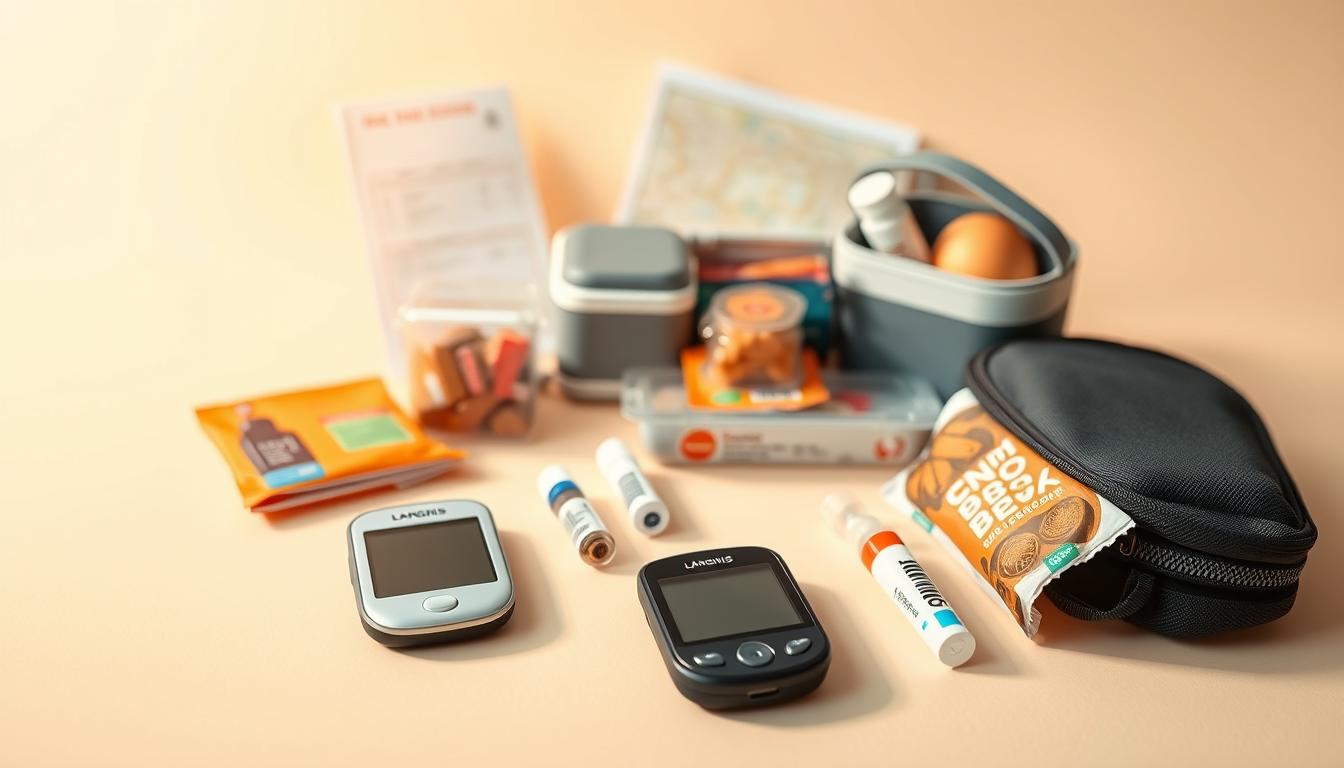
Start by doubling your insulin vials and test strips – pharmacies abroad might not stock your specific brand. Use clear pouches to separate syringes from glucose meters, making airport security checks smoother. Pro tip: Stash half your supplies in a carry-on bag and split the rest between checked luggage and a travel partner’s backpack.
Label everything with original pharmacy stickers. This helps customs officials recognize medications quickly. Don’t forget extra AAA batteries for your insulin pump – they’re surprisingly hard to find in remote Thai villages.
Ensuring Proper Storage for Insulin and Testing Equipment
Thailand’s tropical heat demands insulated cases for insulin storage. Gel packs work better than ice cubes, which can freeze and ruin medication. Keep your testing gear in shaded areas when exploring beaches like Railay or Phi Phi Islands.
Pack air-tight snack containers with glucose tablets and peanut butter packets. These stabilize blood sugar during long temple tours or delayed flights. A metal water bottle doubles as a safe disposal spot for used lancets – just screw the lid tight until you find proper bins.
Smooth airport screenings begin with proactive preparation. Knowing your rights streamlines the process while protecting sensitive medical gear. A few simple steps keep insulin safe and security checks stress-free.

Medical Identification and Device Tips
Visible medical jewelry acts as your first line of communication. A bracelet stating your condition helps staff recognize needs instantly. Keep your doctor’s letter and prescriptions in your bag’s front pocket – this paperwork explains why you’re carrying extra liquids or devices.
Insulin pumps and CGMs require special handling. Store them in separate clear pouches for quick inspection. Though modern scanners are generally safe, always request manual checks for medication and equipment to avoid rare technical issues.
Communicating with Security Personnel
Announce your medical devices before entering scanners. Phrases like “I have an insulin pump that can’t go through X-rays” prompt proper protocols. Security teams appreciate clear, calm explanations – it helps them assist efficiently.
Arrive 30 minutes early to accommodate extra screening time. If language barriers arise at Thai airports, point to translated medical cards or your identification bracelet. Most staff recognize universal symbols like the blue diabetes circle.
Remember: You’re allowed to carry cooling packs, batteries, and unlimited insulin supplies. Keep these items easily accessible rather than buried under souvenirs or snacks. A well-organized bag speeds up inspections while protecting vital medications.
Adjusting Insulin and Blood Sugar Management While Traveling
Crossing time zones doesn’t have to disrupt your health rhythm when you’ve got smart strategies in place. A few proactive steps keep your numbers steady whether you’re exploring Bangkok’s night markets or island-hopping in the Andaman Sea.
Managing Insulin Dosages Across Time Zones
Eastbound flights shorten your day – you might need less insulin than usual. Westbound journeys stretch it out, potentially requiring extra doses. Work with your doctor to create a zone-crossing plan tailored to your itinerary.
Keep your watch set to home time until breakfast the next day. This trick maintains medication consistency during confusing transitions. Phone alarms become your best friend – set reminders for injections and meals when routines shift.
Monitoring Blood Glucose Levels On-the-Go
Test more often during flights and after landing. Jet lag can blur warning signs of highs or lows. Pack twice as many test strips as you think you’ll need – Thailand’s humidity sometimes affects equipment accuracy.
Insulin pumps need special attention during takeoff and landing. Cabin pressure changes might alter delivery rates. Carry backup pens just in case, and store all medications at stable room temperatures using insulated pouches.
Smartphone apps help track patterns if you’re trying new foods like spicy som tum. “Check before you trek” works well – test levels before hiking waterfalls or touring temples. Quick corrections prevent adventures from turning into emergencies.
Integrating Herbal Remedies into Diabetes Management
Nature offers powerful allies for maintaining wellness while managing chronic conditions. Langnis stands out as a herbal supplement blending centuries-old plant knowledge with modern scientific methods, designed to support those monitoring glucose patterns.
Introduction to Langnis and Its Benefits
This innovative formula contains four key components: Pulasari bark (800mg), Pulai extract (1200mg), Sambiloto leaves (800mg), and Duwet seeds (200mg). Together, these ingredients work synergistically to help regulate sugar absorption and promote metabolic balance.
Advanced extraction techniques make Langnis’s nutrients more bioavailable than standard herbal preparations. This means your body can utilize its properties faster when adjusting to new foods or activity levels during trips.
Combining Traditional Herbal Ingredients with Modern Solutions
While insulin remains essential for many, Langnis provides complementary support through natural mechanisms. Its concentrated formula fits easily into daily routines – just two capsules with meals help maintain steady sugar levels without disrupting prescribed regimens.
Always consult your healthcare provider before adding supplements. When used responsibly, this herbal blend lets you explore Thai street markets or mountain trails with greater confidence in your body’s stability.
FAQ
How do I keep insulin safe during long flights?
Use insulated travel cases with cool packs to protect insulin from extreme temperatures. Avoid checking it in luggage—keep supplies in your carry-on. Tell airport security about your medical items to prevent delays.
Can airport scanners damage my insulin pump or CGM?
Most devices are safe for metal detectors, but request a manual pat-down instead of full-body scanners. Bring a medical ID card or doctor’s note to explain your equipment to security teams.
What snacks help stabilize blood sugar during delays?
Pack nuts, whole-grain crackers, or low-sugar protein bars. Keep fast-acting glucose tablets or juice boxes handy for sudden drops. Check levels every 2-3 hours if meals are delayed.
How do time zones affect insulin schedules?
Work with your care team to adjust doses if crossing multiple zones. Use a world clock app to track changes. For pumps, update the time setting as soon as you board the plane.
Should I carry extra supplies for emergencies?
Yes—pack double the insulin, test strips, and pump batteries you’ll need. Split supplies between bags in case one gets lost. Include a glucagon kit and backup syringes.
Can herbal supplements like langnis interact with insulin?
Some herbs may affect blood glucose. Discuss supplements with your doctor before traveling. Monitor levels closely if trying new remedies, and keep traditional medications as your primary treatment.
How do I store insulin in hot climates?
Use a portable cooling wallet or Frio pouch. Never leave insulin in a parked car or direct sunlight. Check expiration dates and discard any cloudy or discolored vials.