
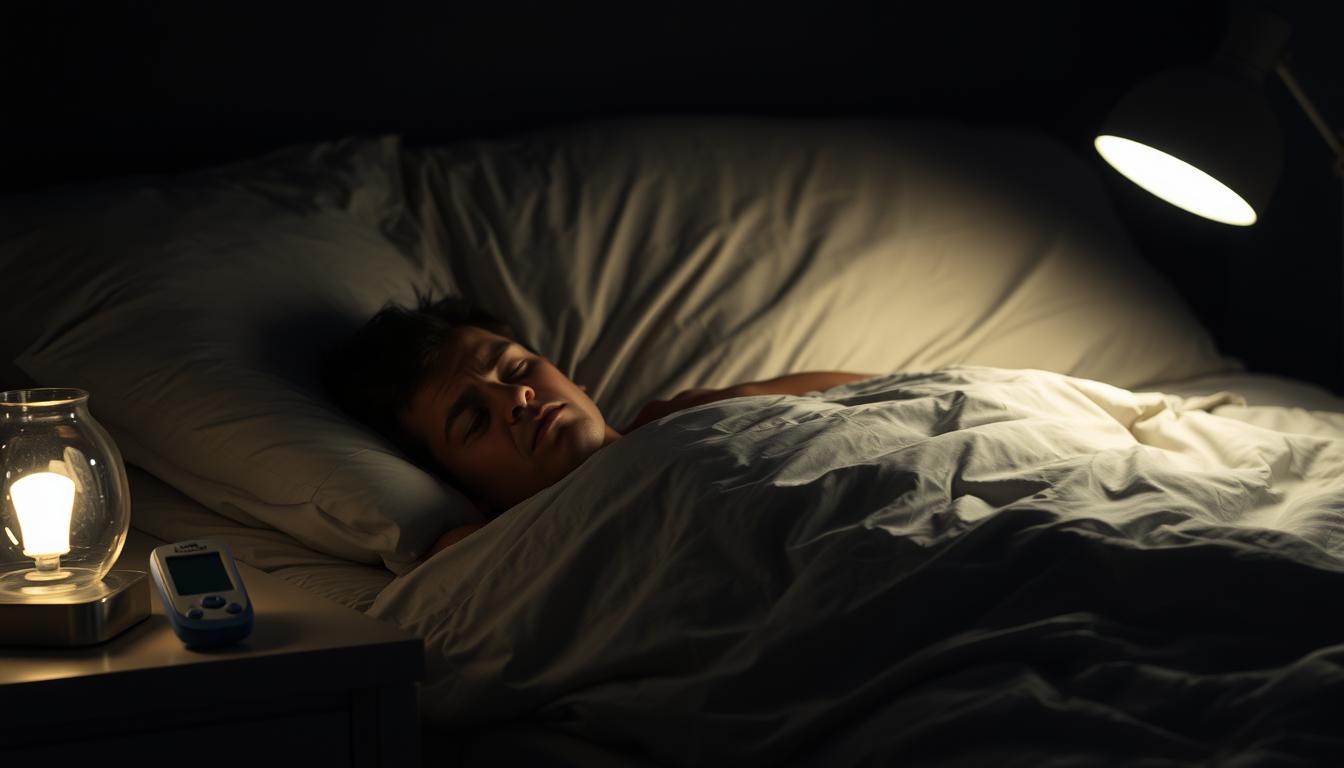
Nocturnal hypoglycemia is a potentially life-threatening condition that occurs when blood sugar levels drop too low during sleep. It’s a concern for many individuals with diabetes, particularly those who manage their condition with insulin.
Experiencing low blood sugar at night can be dangerous, as it may disrupt sleep patterns and cause morning headaches. In severe cases, it can lead to unconsciousness if left untreated. Understanding the causes, symptoms, and prevention strategies is crucial for maintaining stable glucose levels throughout the night.
List of contents:
- Understanding Nocturnal Hypoglycemia
- Common Causes of Nighttime Blood Sugar Drops
- Recognizing Symptoms of Hypoglycemia at Night
- Immediate Treatment for Nocturnal Hypoglycemia
- Effective Prevention Strategies
- Using Technology to Manage Nighttime Hypoglycemia
- Natural Approaches to Blood Sugar Stabilization
- Conclusion: Creating Your Nighttime Hypoglycemia Management Plan
- FAQ
- What are the common symptoms of nocturnal hypoglycemia?
- How can I prevent low blood sugar at night?
- Can exercise cause nocturnal hypoglycemia?
- How does alcohol consumption affect blood sugar levels at night?
- What is the 15-15 rule for managing low blood sugar?
- Can continuous glucose monitoring systems help prevent nocturnal hypoglycemia?
- Are there any natural approaches to stabilizing blood sugar levels?
- Related posts:
- Local Herbs for Blood Sugar Regulation In Hai Phong
- What Is Diabetes Insulin? Understanding Its Role and Natural Support Options
- 10 Best Herbs for Blood Sugar Control
Key Takeaways
- Understand the risks associated with nocturnal hypoglycemia
- Recognize the symptoms of low blood sugar during sleep
- Learn how to prevent hypoglycemia at night
- Discover strategies for maintaining stable blood sugar levels
- Explore the importance of managing diabetes to prevent nocturnal hypoglycemia
Understanding Nocturnal Hypoglycemia
Understanding nocturnal hypoglycemia is crucial for individuals managing diabetes. Nocturnal hypoglycemia occurs when blood sugar levels drop during sleep, posing a significant risk to those affected.
What is Hypoglycemia at Night?
Hypoglycemia at night, or nocturnal hypoglycemia, happens when the body’s glucose levels fall below a certain threshold during sleep. This condition can be particularly dangerous because it occurs while the person is asleep and may not be aware of the symptoms.
Who is at Risk?
Certain groups are at a higher risk for nocturnal hypoglycemia. People with type 1 diabetes are at significant risk due to their reliance on insulin therapy. Additionally, individuals with type 2 diabetes who use insulin or certain oral medications are also at risk. Other factors that increase the risk include tight glucose control, hypoglycemia unawareness, and engaging in vigorous exercise or consuming alcohol before bedtime.
Common Causes of Nighttime Blood Sugar Drops
Nighttime blood sugar drops can be caused by a combination of factors, including insulin, exercise, and alcohol consumption. Understanding these causes is essential for managing and preventing nocturnal hypoglycemia.
Insulin and Medication Factors
Insulin and certain medications can significantly impact blood sugar levels during the night. Taking too much insulin or certain oral medications can cause hypoglycemia, especially if meals are skipped or delayed.
Exercise and Physical Activity
Engaging in physical activity or exercise, especially in the evening, can lower blood glucose levels for an extended period. It’s essential to monitor blood sugar levels after exercise and adjust insulin or medication accordingly.
Alcohol Consumption
Alcohol affects glucose levels long after consumption. It interferes with the liver’s ability to release stored glucose into the bloodstream, potentially causing hypoglycemia several hours later. The risk is particularly high with sweet alcoholic beverages that cause an initial spike in blood sugars, followed by a drop.

Recognizing Symptoms of Hypoglycemia at Night
Recognizing the symptoms of nocturnal hypoglycemia is vital for individuals with diabetes. Nocturnal hypoglycemia can occur without obvious symptoms during sleep, making it challenging to detect.
During Sleep Symptoms
During sleep, hypoglycemia can manifest in subtle ways. A person may experience nighttime disturbances, such as waking up in the middle of the night. In some cases, individuals may not be aware of the episode unless they notice specific signs upon waking.

Morning After Signs
The morning after signs can be indicative of nocturnal hypoglycemia. Common symptoms include:
- Waking up with a pounding headache, likely due to the brain’s response to insufficient glucose.
- Experiencing morning confusion, irritability, or mood changes, suggesting low glucose levels during the night.
- Feeling unusually fatigued without a clear reason related to sleep duration.
- Waking up with a rapid heartbeat or feeling anxious, possibly due to stress hormones released to raise blood sugar levels.
- The Somogyi effect, where blood sugar levels are unexpectedly high in the morning, can be a rebound response to undetected nocturnal hypoglycemia.
Being aware of these signs can help individuals identify and manage nocturnal hypoglycemia effectively.
Immediate Treatment for Nocturnal Hypoglycemia
Nocturnal hypoglycemia demands prompt treatment to prevent severe complications. When blood sugar levels drop during the night, it’s essential to act quickly to restore normal glucose levels.
The 15-15 Rule for Blood Sugar Management
The 15-15 rule is a simple and effective method for managing low blood sugar episodes. This involves consuming 15 grams of carbohydrates and checking blood sugar levels after 15 minutes. If levels remain low, the process is repeated until stability is achieved.
Emergency Responses for Severe Cases
In cases of severe hypoglycemia where a person is unconscious or unable to swallow, emergency glucagon administration is necessary. Modern glucagon options include nasal sprays and pre-filled auto-injectors, making it easier for caregivers to provide assistance. After administering glucagon, the person should be turned onto their side to prevent choking in case of vomiting, and emergency services should be called if they don’t regain consciousness within 15 minutes.
Effective Prevention Strategies
Managing diabetes at night involves several prevention strategies. To prevent nocturnal hypoglycemia, it’s crucial to adopt a comprehensive approach that includes monitoring, dietary adjustments, and medication management.
Blood Sugar Monitoring Before Bed
Checking blood sugar levels before bed is essential to prevent nocturnal hypoglycemia. Monitoring helps identify potential issues before they become severe. Dr. Shah advises that if you’re not eating dinner, you should skip your rapid-acting insulin or medication that can lower your blood sugar levels.
Strategic Bedtime Snacking
Having a strategic bedtime snack can help stabilize blood sugar levels throughout the night. The goal is to match your meal and medication, as suggested by Dr. Shah. A well-planned snack can prevent hypoglycemic episodes.
Medication and Insulin Adjustments
Adjusting medication and insulin doses is critical in preventing nocturnal hypoglycemia. Working with a healthcare provider to adjust insulin dosing schedules can significantly reduce the risk. For instance, splitting the dose of long-acting insulin or adjusting the insulin-to-carbohydrate ratio for evening meals may be necessary.
- Adjusting insulin dosing schedules can reduce nocturnal hypoglycemia risk.
- Splitting the dose of long-acting insulin can prevent nighttime lows.
- People using insulin pumps can program lower basal rates during high-risk hours.
Using Technology to Manage Nighttime Hypoglycemia
Leveraging technology is key to controlling nocturnal hypoglycemia and improving quality of life. Modern technology has made it possible for individuals with diabetes to manage their condition more effectively, especially during the night.
Continuous Glucose Monitoring Systems
Continuous Glucose Monitoring Systems (CGMS) have revolutionized diabetes management by providing real-time glucose data throughout the day and night. These systems alert users to high or low blood glucose levels, enabling them to take prompt action.
- Real-time alerts for high or low blood glucose levels
- Detailed glucose data for better understanding patterns
- Integration with insulin pumps for automated insulin delivery
Insulin Pump Technology
Insulin Pump Technology offers precise control over insulin delivery, which is crucial for managing nighttime blood sugar levels. Modern insulin pumps can be programmed to adjust insulin delivery based on the user’s needs, reducing the risk of nocturnal hypoglycemia.
- Precise basal insulin delivery programmable to match changing needs
- Temporary basal rate features for adjusting insulin delivery before sleep
- Micro-dosing capabilities for insulin-sensitive individuals
- Programmable to counteract the dawn phenomenon
Natural Approaches to Blood Sugar Stabilization
Individuals with diabetes are increasingly seeking natural methods to stabilize their blood sugar levels. This shift towards natural approaches is driven by the desire to complement conventional diabetes management strategies with alternative solutions that can enhance overall well-being.
Herbal Supplements for Diabetes Management
Herbal supplements have been used for centuries in traditional medicine to manage various health conditions, including diabetes. In Thailand, herbal supplements for diabetes management are particularly popular, with certain herbs showing promise in regulating blood sugar levels.

Langnis: A Natural Option for Blood Sugar Control
Langnis is a premium herbal medicine specifically formulated to help manage blood sugar levels naturally. Its unique composition includes:
- Pulasari (800mg) and Pulai (1200mg), herbs traditionally used in Southeast Asian medicine for their anti-diabetic properties.
- Sambiloto (800mg), known for improving insulin sensitivity and reducing blood glucose levels.
- Duwet extract (200mg), which inhibits alpha-glucosidase enzymes to potentially reduce post-meal glucose spikes.
The advanced processing technology used in Langnis production enhances the bioavailability of these natural compounds, allowing for more efficient absorption and quicker action on blood sugar control.

Conclusion: Creating Your Nighttime Hypoglycemia Management Plan
Creating a personalized plan is crucial for preventing nocturnal hypoglycemia. To manage it effectively, work with your healthcare team to establish target bedtime glucose ranges that balance hypoglycemia prevention with good overall glucose control.
Documenting nocturnal hypoglycemia episodes and potential triggers can help identify patterns, informing preventive strategies. Consider a combination of approaches, including bedtime glucose checks, strategic snacking, and medication adjustments, tailored to your specific risk level. By doing so, you can prevent hypoglycemia and maintain stable blood sugar levels throughout the night.
FAQ
What are the common symptoms of nocturnal hypoglycemia?
Symptoms can include night sweats, vivid dreams, and waking up with a headache. Some people may also experience shakiness, dizziness, or confusion upon waking.
How can I prevent low blood sugar at night?
To prevent low blood sugar episodes, monitor your blood glucose levels before bed, have a strategic bedtime snack if necessary, and adjust your insulin dose or medication as directed by your healthcare provider.
Can exercise cause nocturnal hypoglycemia?
Yes, engaging in physical activity or exercise during the day or evening can increase the risk of low blood sugar at night. Adjust your insulin or medication schedule and have a snack if necessary.
How does alcohol consumption affect blood sugar levels at night?
Drinking alcohol can cause blood sugar levels to drop, especially when consumed without food. Limit alcohol intake and have a snack before bedtime to reduce the risk.
What is the 15-15 rule for managing low blood sugar?
The 15-15 rule involves consuming 15 grams of carbohydrates, waiting 15 minutes, and then checking your blood glucose levels again. If levels are still low, repeat the process.
Can continuous glucose monitoring systems help prevent nocturnal hypoglycemia?
Yes, continuous glucose monitoring systems can alert you to low blood sugar episodes during the night, allowing you to take prompt action to correct them.
Are there any natural approaches to stabilizing blood sugar levels?
Certain herbal supplements, such as berberine, may help support blood sugar control. However, consult with your healthcare provider before adding any supplements to your regimen.