
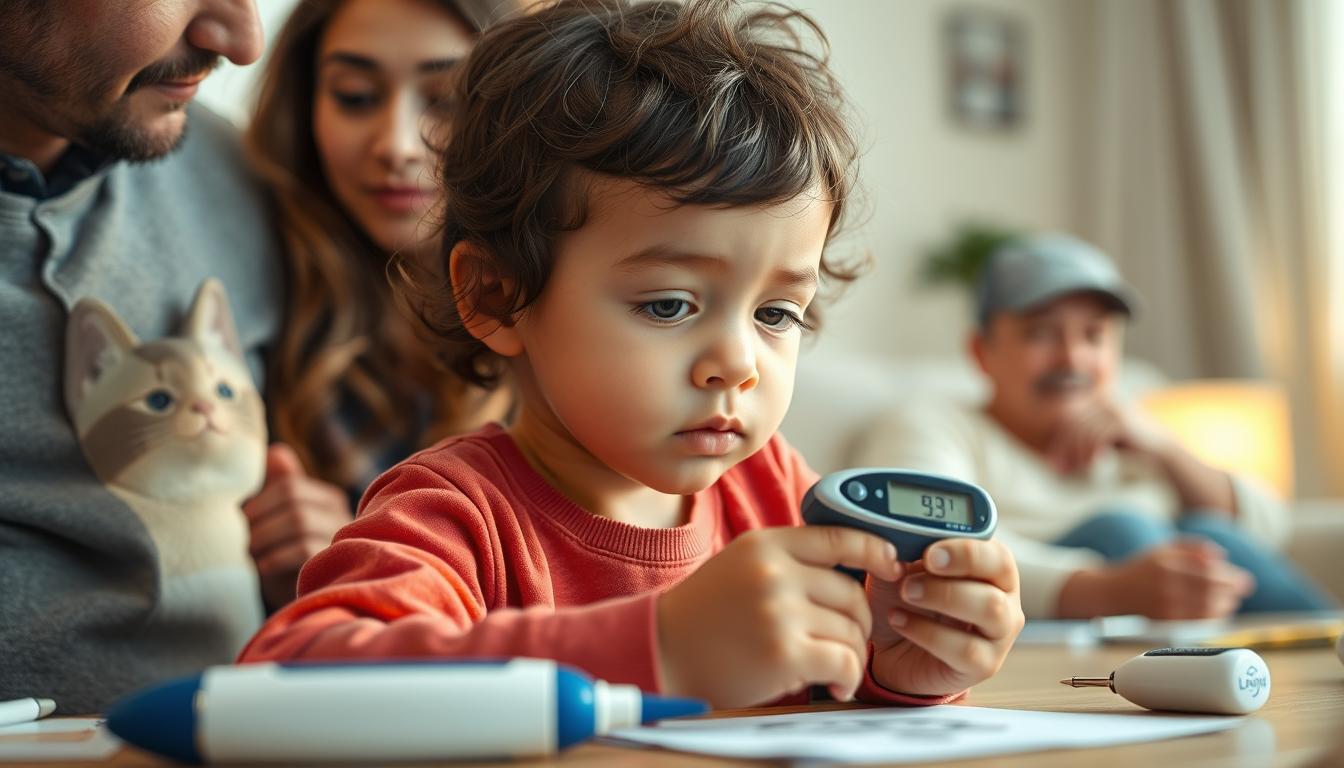
A startling 1 in 4 children diagnosed with type 2 diabetes have a family history of the condition, highlighting the importance of understanding the unique challenges of pediatric diabetes.
Managing blood glucose levels is crucial for children with diabetes, as it directly impacts their overall health and development. Effective management involves a combination of insulin therapy, blood glucose monitoring, and nutritional guidance tailored to different age groups.
List of contents:
- Understanding Diabetes in Children
- Recognizing the Signs: Symptoms of Diabetes in Children
- Diagnosis Process and Initial Management
- Insulin Therapy for Children with Diabetes
- Blood Glucose Monitoring Strategies
- Nutritional Management for Diabetic Children
- Physical Activity and Exercise Guidelines
- Managing Diabetes in Infants and Toddlers (0-3 years)
- Diabetes Management in Preschoolers (4-6 years)
- School-Age Children (7-12 years) and Diabetes
- Adolescent Diabetes Management (13-18 years)
- Langnis: Natural Support for Diabetes Management
- Preventing Complications and Long-Term Health Monitoring
- Conclusion
- FAQ
- What are the common symptoms of diabetes in kids?
- How is type 1 diabetes diagnosed in children?
- What is the difference between type 1 and type 2 diabetes in children?
- How often should kids with diabetes check their blood glucose levels?
- What are the benefits of continuous glucose monitoring for kids with diabetes?
- How can parents support their child with diabetes in managing their condition?
- What are some healthy meal planning strategies for kids with diabetes?
- Can kids with diabetes participate in sports and physical activities?
- How can schools support students with diabetes?
- Related posts:
- Natural Solutions in Da Nang: How Herbs for Blood Sugar Are Transforming Health
- Comprehending Insulin Resistance and Prediabetes: Triggers, Warning Signs, and Remedies
- What Is Diabetes Mellitus and How to Treat It Naturally?
Key Takeaways
- Understanding the differences between Type 1 and Type 2 diabetes in children is essential for effective treatment.
- Age-appropriate management strategies are crucial for controlling blood glucose levels.
- Insulin therapy and blood glucose monitoring are vital components of diabetes management.
- Nutritional management and physical activity guidelines play a significant role in controlling diabetes.
- Langnis, a natural herbal supplement, can complement conventional diabetes treatments.
Understanding Diabetes in Children
Diabetes among children is a significant health issue that requires immediate attention and comprehension. As the prevalence of both Type 1 and Type 2 diabetes continues to rise among pediatric populations worldwide, it’s crucial to understand the differences between these two conditions and the factors contributing to their increasing prevalence.
Type 1 vs. Type 2 Diabetes in Pediatric Patients
Type 1 diabetes is an autoimmune condition where the body’s immune system attacks the insulin-producing beta cells in the pancreas, resulting in a complete deficiency of insulin production. In contrast, Type 2 diabetes is characterized by insulin resistance and impaired insulin secretion, often associated with obesity and physical inactivity. While Type 1 diabetes has historically been the most common form of diabetes in children, the incidence of Type 2 diabetes is rising, mirroring the increase in childhood obesity.
Rising Prevalence and Risk Factors
The prevalence of both Type 1 and Type 2 diabetes in children has been increasing worldwide at alarming rates. Risk factors for Type 1 diabetes include genetic predisposition, family history of autoimmune conditions, and geographic location. Children with a first-degree relative with Type 1 diabetes have a significantly higher risk of developing the condition. For Type 2 diabetes, risk factors include excess weight, physical inactivity, and family history, with certain ethnic groups showing higher susceptibility.
Early identification of at-risk children allows for preventive interventions and earlier diagnosis, potentially mitigating the severity of the condition.
Recognizing the Signs: Symptoms of Diabetes in Children
Recognizing diabetes symptoms in children is crucial for timely medical intervention. Diabetes in children can manifest differently across various age groups, making it essential for parents and caregivers to be aware of the early warning signs.
Early Warning Signs by Age Group
The symptoms of diabetes can vary by age. In infants and toddlers, symptoms may include diaper rash that doesn’t improve with treatment, excessive thirst, and irritability. Older children may exhibit increased urination, fatigue, and unexplained weight loss. Parents should be vigilant about these signs and consult a healthcare provider if they notice any unusual changes in their child’s behavior or health.
- Infants and toddlers: Diaper rash, excessive thirst, irritability
- Older children: Increased urination, fatigue, unexplained weight loss
- Children with a family history of diabetes: Monitor more closely for symptoms
When to Seek Medical Attention
Certain symptoms require immediate medical attention. Severe dehydration, rapid breathing, confusion, or loss of consciousness may indicate diabetic ketoacidosis, a life-threatening condition. Other warning signs include fruity-smelling breath, labored breathing, and extreme lethargy. If a child exhibits these symptoms, parents should seek emergency care promptly.
- Severe dehydration or rapid breathing
- Fruity-smelling breath or labored breathing
- Confusion or loss of consciousness
- Blood glucose readings above 240 mg/dL with ketones in the urine
Early diagnosis and treatment significantly reduce the risk of complications and improve long-term outcomes. Parents should trust their instincts and seek medical evaluation if they suspect something is wrong with their child.
Diagnosis Process and Initial Management
Diabetes diagnosis in children involves a combination of clinical evaluation and laboratory tests. When a child is suspected of having type diabetes, a series of diagnostic tests are conducted to confirm the presence of the condition.
Common Diagnostic Tests for Children
The diagnosis of diabetes in children typically involves a combination of physical examination, medical history, and laboratory tests. Common diagnostic tests include:
- Blood glucose tests to measure the level of glucose in the blood
- Urine tests to detect ketones or glucose in the urine
- Glycated hemoglobin (HbA1c) test to assess average blood glucose levels over time
- Autoantibody tests to determine the presence of antibodies associated with type diabetes
First Steps After Diagnosis
Following a diabetes diagnosis, the immediate focus is on stabilizing the child’s condition and beginning appropriate treatment. Children with Type 1 diabetes often require hospitalization initially, especially if they present with diabetic ketoacidosis (DKA). The first steps include administering insulin, addressing any dehydration, and normalizing blood glucose levels.
Education is a crucial component of initial management, with both parents and children (age-appropriately) learning about diabetes care. The healthcare team will develop an individualized diabetes management plan based on the child’s age, type of diabetes, and specific needs.
Insulin Therapy for Children with Diabetes
For children with diabetes, insulin therapy is essential for maintaining healthy blood glucose levels. Insulin helps regulate blood glucose levels, which is critical for children’s overall health and development.
Types of Insulin and Delivery Methods
There are various types of insulin, including rapid-acting, short-acting, intermediate-acting, and long-acting insulin. The choice of insulin type depends on the child’s specific needs and the type of diabetes they have. Type 1 diabetes typically requires insulin therapy from the time of diagnosis.
Insulin can be administered using different delivery methods, including syringes, insulin pens, and insulin pumps. Small syringes with very thin needles make injections nearly painless. Insulin pens are convenient for children who need to take multiple injections outside the home.
- Insulin pens offer a discreet and portable way to administer insulin.
- Insulin pumps provide continuous insulin delivery and can be programmed to meet individual needs.
- Syringes allow for precise dosing and are often used for young children.
Age-Appropriate Insulin Administration Techniques
Insulin administration techniques must be adapted to the child’s age, developmental stage, and comfort level. For infants and toddlers (0-3 years), parents are fully responsible for insulin administration, often using syringes with half-unit markings for precise dosing.
- Preschoolers (4-6 years) may begin to participate in the process by choosing injection sites or helping to prepare equipment.
- School-age children (7-12 years) can gradually learn to perform their own injections with supervision.
- Adolescents (13-18 years) typically transition to greater independence in insulin administration but still require parental oversight.
As children grow, their insulin needs change, requiring regular dose adjustments by healthcare providers. Proper insulin administration techniques and regular monitoring are crucial for effective diabetes management in children.
Blood Glucose Monitoring Strategies
Monitoring blood glucose levels is a vital aspect of diabetes management in pediatric patients. Effective monitoring helps in understanding the fluctuations in glucose levels and making informed decisions about insulin doses, diet, and physical activity.
Traditional Monitoring vs. Continuous Glucose Monitoring
There are two primary methods of blood glucose monitoring: traditional self-monitoring of blood glucose (SMBG) and continuous glucose monitoring (CGM). Traditional SMBG involves periodic fingerstick blood glucose checks, while CGM systems measure glucose levels throughout the day and night, providing real-time data and alerts for high or low levels.
CGM has revolutionized diabetes management by offering a more comprehensive view of glucose levels and trends. However, traditional SMBG remains a reliable and accessible method for many families. The choice between these methods depends on the child’s needs, the family’s lifestyle, and the healthcare provider’s recommendations.
Teaching Children Self-Monitoring Skills by Age
Teaching children self-monitoring skills is a gradual process that must be tailored to the child’s age and maturity level. For infants and toddlers (0-3 years), parents perform all monitoring tasks. As children grow, they can begin to participate more actively.
- Preschoolers (4-6 years) can start by choosing which finger to prick or helping to prepare supplies.
- Early school-age children (7-9 years) can learn to perform the mechanical aspects of blood glucose checking.
- By age 10-12, many children can perform their own checks independently but need help interpreting results.
- Adolescents (13-18 years) should work towards full self-monitoring skills, including interpreting patterns and making basic adjustments to insulin doses.
Using age-appropriate educational materials and tools can enhance a child’s understanding and engagement with their diabetes management.
Nutritional Management for Diabetic Children
Managing diabetes in children requires a comprehensive approach, with nutritional management playing a crucial role. A well-planned diet helps maintain blood glucose levels within the target range, ensuring the child’s overall health and development.
Balanced Diet and Carbohydrate Counting
A balanced diet for diabetic children involves consuming the right amounts of carbohydrates, proteins, and fats. Carbohydrate counting is a key strategy, as carbohydrates have a significant impact on blood glucose levels. Parents should work with a registered dietitian to develop a meal plan that takes into account the child’s nutritional needs, age, and activity level. For children with Type 1 diabetes, insulin dosing is adjusted based on carbohydrate intake.
- Focus on whole, unprocessed foods like vegetables, fruits, whole grains, lean proteins, and healthy fats.
- Be mindful of portion sizes to maintain a healthy weight and blood glucose control.
- Limit sugary drinks and foods high in added sugars, salt, and unhealthy fats.
Meal Planning Strategies for Different Age Groups
Meal planning for diabetic children must be tailored to their age and developmental stage. For infants and toddlers, adapting to unpredictable eating patterns is crucial. Parents may need to adjust insulin doses after meals based on actual food intake. For preschoolers, creative approaches are necessary to ensure nutritional adequacy despite “picky eating.” School-age children need education on making healthy food choices, especially when faced with school lunches and parties. Adolescents require strategies that accommodate growth spurts, social eating, and busy schedules.
- For children with Type 2 diabetes, meal planning focuses on calorie control and weight management.
- Family meals should feature healthy food choices offered to all family members to normalize the eating experience.
- Snacks are important for active children with diabetes to prevent hypoglycemia during physical activity.
Physical Activity and Exercise Guidelines
Physical activity is an essential component of diabetes management in children, enhancing their quality of life. Regular exercise not only helps in controlling blood glucose levels but also contributes to overall well-being.
Benefits of Regular Exercise for Diabetic Children
Regular exercise offers numerous benefits for children with diabetes, including improved insulin sensitivity, better blood glucose control, and enhanced cardiovascular health. It also promotes psychological well-being and can help in managing weight.
Because exercise can lower glucose levels for up to 24 hours, it’s crucial to monitor blood glucose more frequently on days children are active or exercise.
Safe Exercise Practices by Age Group
Safe exercise practices for children with diabetes must be tailored to different age groups. For toddlers and preschoolers (2-6 years), physical activity should focus on active play. School-age children (7-12 years) can engage in various activities like team sports and swimming, with blood glucose monitoring before, during, and after exercise. Adolescents (13-18 years) may participate in more intense sports, requiring adjustments to insulin and carbohydrate intake.
- Check blood glucose before exercise, aiming for levels between 100 mg/dL and 250 mg/dL.
- Carry fast-acting carbohydrates during exercise to treat potential hypoglycemia.
- Ensure proper hydration with water, the preferred choice unless treating low glucose levels.
Managing Diabetes in Infants and Toddlers (0-3 years)
Diabetes care for infants and toddlers presents distinct challenges that demand specialized attention. Managing diabetes in this age group requires a comprehensive approach that addresses their unique health needs and developmental stages.
Unique Challenges and Solutions
Parents of infants and toddlers with diabetes face numerous challenges, including administering insulin, monitoring blood glucose levels, and recognizing signs of hypo- or hyperglycemia. To effectively manage their child’s condition, parents must receive comprehensive education and ongoing support. This includes training on insulin administration, blood glucose monitoring, and managing sick days. Balancing diabetes management with normal parenting is crucial, allowing for appropriate developmental experiences.
Parental Support and Education
Support systems are vital for families with infants and toddlers with diabetes. This includes educating multiple caregivers, such as grandparents and childcare providers, in basic diabetes management. Psychological support for parents is also essential, as managing a young child’s diabetes can be emotionally and physically exhausting. Connecting with other parents through support groups or online communities provides valuable advice and emotional support. Regular communication with the diabetes care team helps address concerns and adjust management strategies as the child grows.
By treating their child as normal, with diabetes management as just one aspect of daily life, parents can help their child thrive. Educating siblings and close family members about diabetes fosters a supportive environment, ensuring the child receives the care and understanding they need.
Diabetes Management in Preschoolers (4-6 years)
Managing diabetes in preschoolers requires a delicate balance between medical care and emotional support. At this age, children begin to understand simple explanations about their condition and can start participating in their care.
Developing Routine and Structure
Establishing a daily routine is crucial for preschoolers with diabetes. This includes regular times for blood glucose monitoring, insulin administration, and meals. Simple, consistent explanations help children understand the necessity of these routines. For instance, explaining that insulin is like a key that unlocks the body’s cells to let glucose in can make the concept more accessible. Positive reinforcement for cooperation with diabetes care builds confidence and a sense of accomplishment.

Involving preschoolers in simple aspects of their care, such as choosing which finger to check or which injection site to use, provides them with a sense of control. Using picture books and play-based learning, like pretending to care for a doll’s diabetes, can also help them process their experiences.
Introducing Basic Diabetes Concepts
Preschoolers can begin to learn basic concepts about diabetes, such as the idea of “high” and “low” blood sugar and their symptoms. Using metaphors and stories can make these complex concepts more understandable. For example, comparing insulin to a key that unlocks the door to let sugar into the body’s cells can be helpful. It’s essential to provide honest but reassuring answers to their questions about diabetes to build trust and reduce anxiety.
By introducing these concepts in a non-threatening way, preschoolers can start to recognize and report how they’re feeling, laying the groundwork for more independent diabetes management as they grow older.
School-Age Children (7-12 years) and Diabetes
As children with diabetes enter school age (7-12 years), their care regimen must adapt to support their growing independence. This age group presents unique challenges and opportunities for developing diabetes self-management skills.
School Management Plans and Teacher Education
Developing a school management plan is crucial for ensuring that children with diabetes receive appropriate care during school hours. This involves educating teachers and school staff about diabetes, its management, and the specific needs of the child. Teachers should be aware of the signs of hypo- and hyperglycemia and know how to respond. Effective communication between parents, healthcare providers, and school staff is key to a successful plan. “Children with diabetes need a safe and supportive school environment,” emphasizes the importance of teacher education.
Fostering Independence in Diabetes Care
The school-age years are an optimal time to begin fostering age-appropriate independence in diabetes self-management skills. Children can gradually take on more responsibility for blood glucose monitoring and insulin administration. By around 10 years of age, many children are interested in testing their own blood glucose levels and injecting insulin themselves. Parents should encourage this independence while ensuring the child remains responsible. Technology, such as insulin pumps and continuous glucose monitors, can facilitate independence while providing safety features.
Fostering independence also involves teaching carbohydrate counting skills progressively, starting with identifying carbohydrate foods and advancing to calculating grams and insulin doses. Celebrating diabetes self-management skills as achievements rather than burdens helps build the child’s confidence and sense of competence.
Adolescent Diabetes Management (13-18 years)
As children enter adolescence, their diabetes management needs to adapt to significant physical and emotional changes. This period is marked by hormonal fluctuations that can affect blood sugar levels, making insulin therapy more complex.
During puberty, the body becomes more resistant to insulin, often requiring adjustments to diabetes treatment plans. Regular monitoring of blood sugar levels is crucial to manage these changes effectively. It’s also important for adolescents to understand how lifestyle factors, such as diet and exercise, impact their blood sugar control.
Transitioning to Self-Management
The transition to self-management of diabetes is a gradual process that begins in early adolescence. Adolescents should progressively take on more responsibility for their daily diabetes care, including blood glucose monitoring, insulin administration, and carbohydrate counting. Developing decision-making skills, such as handling sick days and special occasions, is also crucial. Healthcare visits should increasingly involve direct communication between the provider and adolescent, with parents stepping into a supportive role.
By fostering independence in diabetes management, adolescents can better navigate the challenges of type diabetes and maintain good health. This transition prepares them for independent living situations, such as college, where they will need to manage their diabetes treatment independently.
Langnis: Natural Support for Diabetes Management

Langnis, a herbal medicine for diabetes, is designed to complement conventional treatments and provide additional support for blood sugar management. This natural supplement is made from traditional ingredients processed with advanced technology, enhancing its bioavailability and effectiveness.
Key Ingredients and Their Benefits
The formulation of Langnis includes a blend of natural ingredients known for their blood sugar-regulating properties. Key components may help in reducing insulin resistance and addressing symptoms associated with diabetes, such as fatigue and excessive thirst.
The advanced processing technology used in creating Langnis ensures that the active compounds are more easily absorbed by the body, potentially leading to more effective blood sugar control.
How Langnis Complements Conventional Diabetes Treatment
Langnis is not intended to replace conventional diabetes treatments but rather to complement them. When used alongside prescribed medications and insulin therapy, Langnis may enhance overall glucose control and help manage symptoms.
- Langnis provides additional support for blood sugar management.
- It may help reduce insulin resistance, allowing for more effective action of prescribed insulin.
- The natural anti-inflammatory properties of Langnis ingredients may address chronic inflammation associated with diabetes.
- For children with Type 2 diabetes, Langnis may support lifestyle modifications and prescribed treatments.
- Regular monitoring of blood glucose levels is essential when incorporating Langnis to observe its effects and ensure optimal diabetes management.
Parents should consult with their child’s healthcare provider before adding Langnis or any supplement to their diabetes management regimen.
Preventing Complications and Long-Term Health Monitoring
Managing diabetes in children requires a comprehensive approach to prevent long-term complications. Children with diabetes are at risk of developing various health issues if their condition is not properly managed.
Common Complications in Pediatric Diabetes
Children with diabetes are at risk of developing several complications, including diabetic retinopathy, nephropathy, and nerve damage. Diabetic retinopathy can lead to vision loss if not detected early. Regular eye examinations are crucial for early detection. Diabetic nephropathy can result in kidney failure if left untreated. Monitoring kidney function through tests like the urine albumin-to-creatinine ratio is essential.
Regular Check-ups and Screenings
Regular medical check-ups and screenings are vital for monitoring diabetes control and detecting complications early. Children with diabetes should see their endocrinologist or diabetes care provider at least every 3-4 months. During these visits, healthcare providers assess overall diabetes management, review blood glucose records, and perform various tests, including Hemoglobin A1C testing to measure average blood glucose levels over the previous 2-3 months.
Annual screenings typically begin 2-5 years after diagnosis and include comprehensive eye examinations, kidney function tests, blood pressure measurements, lipid profiles, and thyroid function tests. These screenings help in early detection and management of potential complications, ensuring the long-term health of children with diabetes.
Conclusion
A holistic approach to diabetes management in children is crucial for their long-term health and quality of life. This involves a balance of insulin therapy, blood glucose monitoring, nutritional management, and regular physical activity. As children grow, their diabetes care needs evolve, requiring a flexible and comprehensive care plan.
Family support plays a vital role in diabetes management, with parents gradually transferring responsibility to children as they mature. The healthcare team provides essential guidance and support. Technological advancements, such as insulin pumps and continuous glucose monitors, have improved diabetes management options. Natural supplements like Langnis, an herbal medicine consisting of Pule, Sambiloto, and Duwet extracts, can complement conventional treatments, helping to relieve diabetes symptoms.
With proper management, children with type 1 diabetes or type 2 diabetes can lead healthy, active lives. Regular medical follow-ups and screenings for complications are essential. By adopting a positive and informed approach to diabetes care, families can help children develop resilience and the skills needed for lifelong health.
FAQ
What are the common symptoms of diabetes in kids?
Common symptoms include increased thirst and urination, fatigue, blurred vision, and weight loss. Some kids may also experience flu-like symptoms, such as weakness and irritability.
How is type 1 diabetes diagnosed in children?
Type 1 diabetes is typically diagnosed through a combination of physical examination, medical history, and laboratory tests, including blood glucose tests and autoantibody tests.
What is the difference between type 1 and type 2 diabetes in children?
Type 1 diabetes is an autoimmune disease where the body’s immune system attacks and destroys the insulin-producing cells in the pancreas. Type 2 diabetes is a metabolic disorder characterized by insulin resistance and impaired insulin secretion.
How often should kids with diabetes check their blood glucose levels?
The frequency of blood glucose monitoring depends on the individual child’s needs and treatment plan. Generally, kids with diabetes should check their blood glucose levels multiple times a day, including before meals and at bedtime.
What are the benefits of continuous glucose monitoring for kids with diabetes?
Continuous glucose monitoring can help kids with diabetes and their caregivers track blood glucose levels in real-time, identify trends and patterns, and make informed treatment decisions.
How can parents support their child with diabetes in managing their condition?
Parents can support their child by working with their healthcare team to develop a personalized treatment plan, monitoring their child’s blood glucose levels, and teaching their child self-management skills.
What are some healthy meal planning strategies for kids with diabetes?
Healthy meal planning strategies include counting carbohydrates, choosing a balanced diet, and incorporating a variety of whole foods, such as fruits, vegetables, whole grains, and lean proteins.
Can kids with diabetes participate in sports and physical activities?
Yes, kids with diabetes can participate in sports and physical activities. In fact, regular exercise can help improve blood glucose control and overall health. However, it’s essential to monitor blood glucose levels before, during, and after exercise to avoid hypoglycemia.
How can schools support students with diabetes?
Schools can support students with diabetes by developing a diabetes management plan, providing a safe and supportive environment, and educating staff and teachers about diabetes care and management.