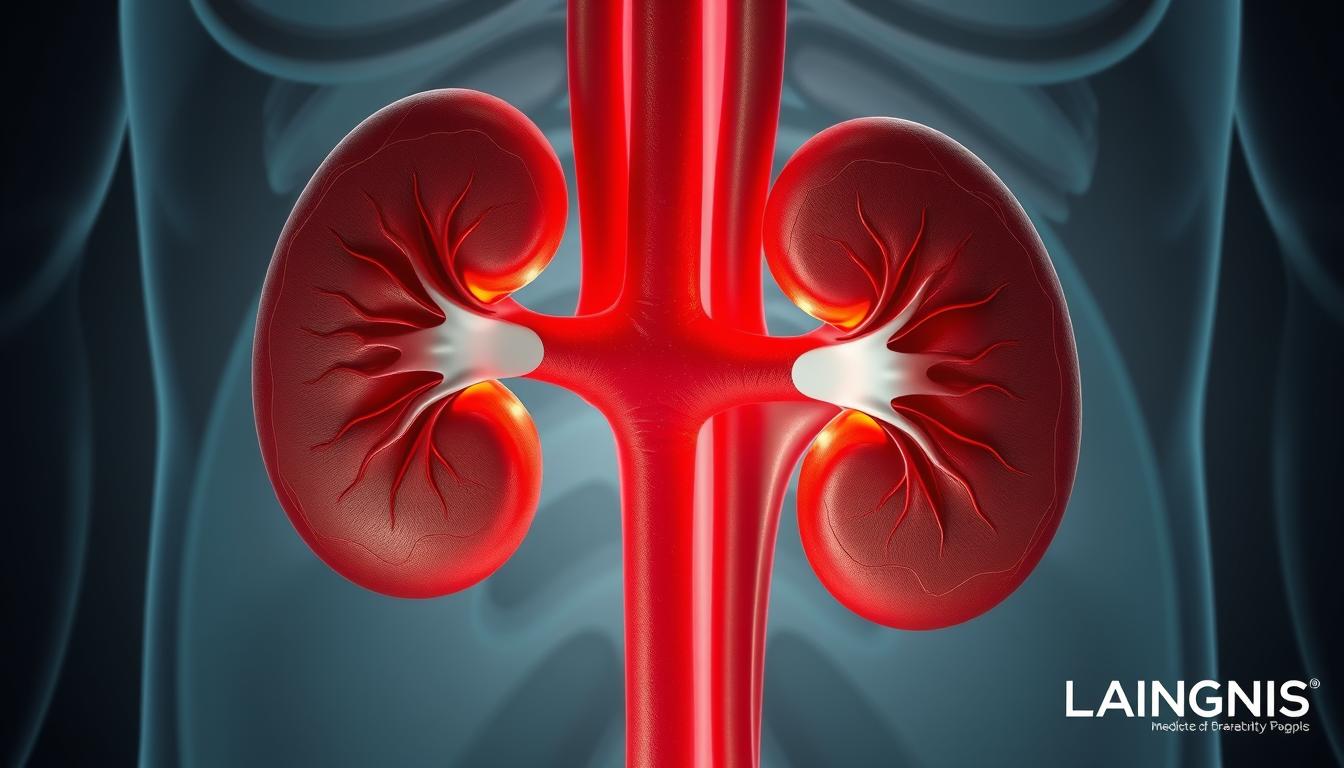
One-third of adults living with diabetes also face chronic kidney disease—a silent complication often overlooked until symptoms escalate. Elevated glucose levels quietly strain the body’s filtration system, eroding its ability to cleanse the blood over years. This damage isn’t sudden; it’s a slow, invisible process that demands early attention.
When sugar remains high for extended periods, it harms delicate blood vessels in vital organs. The kidneys, responsible for filtering waste, become less efficient as their structures weaken. Left unchecked, this can lead to irreversible harm, making proactive care essential.
Modern strategies now blend medical treatments with natural solutions. For example, herbal therapies processed under strict standards may complement traditional methods. These approaches aim to address root causes while supporting overall well-being.
List of contents:
- Introduction: The Importance of Diabetes and Kidney Health
- Understanding Diabetic Kidney Disease
- The Link Between High Blood Sugar and Kidney Function
- Risk Factors for Diabetic Kidney Disease
- The Role of Herbal Medicine in Diabetes Management
- Advanced Technology in Herbal Extraction for Better Absorption
- Diagnosing Diabetes-Related Nephropathy
- Imaging and Biopsy Techniques for Kidney Evaluation
- FAQ
- How does high blood sugar harm kidney function?
- Can managing blood pressure slow kidney disease progression?
- What role do herbal extracts like Pule play in diabetes care?
- What tests detect early signs of diabetes and kidney health?
- Are genetic factors linked to diabetic nephropathy?
- How does chronic kidney disease affect treatment options?
- Can lifestyle changes reverse early kidney damage?
- Why is proteinuria a red flag for nephropathy?
- Related posts:
- Is Drumstick Leaves Good for High Blood Pressure?
- Diabetes Type 1 vs Type 2: A Comprehensive Comparison
- Personalized Nutrition: Why There's No Single Diabetic Diet
Key Takeaways
- Chronic kidney disease affects 33% of people with diabetes, emphasizing the need for regular screenings.
- High blood sugar gradually damages kidney filtration systems, often without immediate symptoms.
- Early intervention can slow disease progression and preserve organ function.
- Combining conventional care with researched-backed herbal options may enhance management plans.
- Monitoring blood pressure and glucose levels is critical for long-term kidney health.
Introduction: The Importance of Diabetes and Kidney Health
Millions worldwide managing blood sugar imbalances face a hidden threat to their filtration organs—a complication detectable only through proactive screening. Research shows 1 in 3 individuals with elevated glucose levels develops renal complications, often progressing unnoticed until critical stages. These vital organs work tirelessly to remove toxins while regulating fluid balance and hormone production.
What makes this condition particularly dangerous is its silent progression. Damage to microscopic filters can advance for years without obvious signs, creating a time-sensitive need for early intervention. When detected late, treatment options become limited and costly—impacting families and healthcare systems across communities.
Three crucial prevention strategies include:
- Regular urine protein tests starting at diagnosis
- Blood pressure maintenance below 130/80 mmHg
- Personalized dietary plans reducing sodium intake
Emerging approaches now combine pharmaceutical treatments with botanicals like Langnis, formulated through advanced extraction methods. This synergy between modern science and traditional remedies offers new hope for maintaining renal efficiency while managing glucose levels.
Education remains the first line of defense. Patients understanding how elevated sugars strain their filtration systems can better collaborate with healthcare teams to create sustainable management plans. Annual screenings become non-negotiable checkpoints in this lifelong journey.
Understanding Diabetic Kidney Disease
Progressive damage to kidney filters from prolonged high glucose defines diabetic nephropathy, a stealthy complication. Also called DKD or CKD, this condition develops when excess sugar harms delicate blood vessels in renal tissues. Early stages show no obvious symptoms, making regular urine tests crucial for detection.
These organs do more than filter waste—they balance electrolytes, manage blood pressure, and produce hormones. When their filtering units (glomeruli) weaken, toxins accumulate. Fluid retention and swelling often follow, signaling advancing dysfunction.
Modern diagnostics now identify microscopic changes before major decline occurs. Annual screenings track protein levels in urine and estimate filtration rates (eGFR). Early intervention can slow damage through glucose control and blood pressure management.
Traditional herbal blends processed with precision extraction methods offer complementary support. Ingredients like Sambiloto and Pule, historically used in Southeast Asian wellness practices, undergo technological refinement to enhance bioavailability. When combined with medical care, they help maintain renal efficiency in those managing glucose imbalances.
The Link Between High Blood Sugar and Kidney Function
Persistently elevated glucose levels act like sandpaper on delicate filtration networks, wearing down their efficiency over time. This friction triggers a chain reaction that disrupts waste removal and fluid balance. Left unmanaged, these changes can lead to permanent functional decline.
How High Blood Sugar Damages Blood Vessels
Excess sugar in the bloodstream creates chemical reactions that thicken and stiffen vascular walls. This process, called glycation, sparks inflammatory responses and oxidative damage within renal capillaries. The glomeruli—microscopic filters—develop scar tissue, reducing their ability to separate nutrients from toxins.
Three critical effects emerge from this damage:
- Impaired filtration leads to protein leakage into urine
- Reduced blood flow increases pressure within renal tissues
- Accumulated waste products strain remaining functional units
Managing Blood Glucose for Better Kidney Performance
Consistent glucose monitoring forms the foundation of renal protection. Modern approaches combine dietary adjustments with therapies like Langnis—a herbal formula using precision-extracted botanicals to support sugar metabolism. Its advanced processing enhances active compounds’ bioavailability, potentially improving glycemic control.
Key strategies for vascular preservation include:
- Maintaining HbA1c levels below 7% through tailored nutrition plans
- Incorporating movement routines to enhance insulin sensitivity
- Using combination therapies that address multiple damage pathways
Emerging research highlights how timely interventions can slow filtration decline by up to 50% in high-risk groups. Patients who pair glucose tracking with vascular-supportive treatments often maintain better long-term organ function.
Risk Factors for Diabetic Kidney Disease
Multiple overlapping elements heighten vulnerability to renal complications in those managing metabolic disorders. Duration of elevated glucose exposure stands as the strongest predictor—each additional year with uncontrolled levels raises damage potential. However, other modifiable and non-modifiable factors interact in complex ways.

Impact of High Blood Pressure and Other Health Conditions
High blood pressure accelerates filtration system strain, creating a destructive loop. Damaged vessels force the heart to work harder, further stressing renal tissues. This cycle explains why 40% of those with both conditions face rapid function decline.
Concurrent issues like cardiovascular disease or obesity amplify risks. One study found individuals with three or more comorbidities develop complications five years earlier than those managing only glucose imbalances.
Lifestyle, Genetic Influences, and Demographic Considerations
Daily habits significantly sway outcomes. Smoking narrows blood vessels, while high-sodium diets worsen fluid retention. Sedentary patterns compound these effects, particularly in urban Filipino communities with rising processed food consumption.
Genetic markers explain why certain groups—including Filipinos—face heightened susceptibility. Research shows Southeast Asian populations process sugars and medications differently, requiring tailored prevention strategies.
“Comprehensive herbal formulations target inflammation and oxidative stress simultaneously, addressing root causes rather than isolated symptoms.”
Natural approaches gain attention for multitargeted support. Blends combining blood sugar-regulating herbs with vascular protectants may help break risk factor cycles. These solutions align with cultural preferences for holistic care while complementing medical protocols.
The Role of Herbal Medicine in Diabetes Management
Traditional plant-based therapies merge with modern science to create innovative solutions for metabolic care. Centuries-old remedies now undergo technological refinement, enhancing their ability to support those managing glucose challenges. This fusion offers accessible options rooted in cultural wisdom while meeting contemporary quality standards.
Introducing Langnis: Composition and Traditional Ingredients
Langnis combines four precision-dosed botanicals: Pulasari (800mg), Pulai (1200mg), Sambiloto (800mg), and Duwet seeds (200mg). Each component undergoes advanced extraction to preserve bioactive compounds. This process increases absorption rates, allowing the body to utilize therapeutic elements more effectively.
Benefits of Pule, Sambiloto, and Duwet Extracts
Sambiloto contains andrographolides that help regulate sugar metabolism. Studies show it may improve insulin sensitivity by up to 34% in preclinical models. Duwet seeds work differently—their jamboline compounds slow carbohydrate breakdown, supporting stable glucose levels after meals.
Pulasari and Pulai extracts provide complementary support. These traditional ingredients assist in maintaining healthy circulation and reducing oxidative stress. Together, the formula addresses multiple aspects of metabolic function through synergistic action.
“Our ancestors used these plants for generations—now science confirms their potential in modern treatment plans.”
Quality control ensures every batch uses 100% authentic herbs grown in nutrient-rich Indonesian soil. Third-party testing verifies purity and potency, making this blend a reliable option for those seeking natural support alongside medical care.
Advanced Technology in Herbal Extraction for Better Absorption
Modern science unlocks nature’s potential through precision processing methods that revolutionize traditional remedies. Langnis exemplifies this innovation, combining ancestral plant knowledge with pharmaceutical-grade technology to create formulas your body can utilize effectively.

Traditional herbal preparations often lose potency during manual processing. Advanced extraction techniques solve this by isolating active compounds while eliminating impurities. This results in higher concentrations of therapeutic elements ready for immediate absorption.
How Modern Processing Enhances Natural Efficacy
Standardized extraction ensures every batch delivers consistent results. Unlike variable home remedies, this method preserves delicate molecules like sambiloto’s andrographolides. These compounds regulate blood sugar levels more efficiently when processed at controlled temperatures.
Three breakthroughs make Langnis stand out:
- Bioavailability boosts through nano-emulsion technology
- Third-party testing for heavy metals and contaminants
- Stabilized formulas retaining potency for 36 months
Faster absorption means ingredients reach their targets within hours rather than days. Clinical observations suggest this rapid action helps stabilize sugar metabolism quicker than conventional herbal teas or powders.
Philippine regulatory agencies certify Langnis as a compliant herbal medicine, ensuring safety for long-term use. Each production batch undergoes 112 quality checks—from soil analysis to final packaging—meeting global supplement standards.
“We’re not just making herbs stronger—we’re making them smarter for modern bodies.”
This fusion respects cultural traditions while delivering measurable results. For those managing diabetes, it bridges the gap between nature’s pharmacy and evidence-based treatment.
Diagnosing Diabetes-Related Nephropathy
Early detection of renal complications transforms outcomes for those managing blood sugar challenges. Healthcare teams use specialized tests to spot filtration system changes before symptoms appear. These tools help create personalized plans combining medical care and natural support strategies.
Urinalysis, Protein Testing, and eGFR
Urine tests remain the first step in identifying early-stage issues. The protein-to-creatinine ratio measures albumin leakage—a key sign of declining function. Blood analysis calculates eGFR using creatinine levels and demographic information to assess filtration rates.
Three essential markers guide treatment decisions:
- Albumin levels above 30 mg/g suggest emerging kidney damage
- eGFR below 60 mL/min/1.73m² indicates moderate function loss
- Consistent proteinuria requires immediate dietary adjustments
Kidney Biopsy and Other Diagnostic Methods
Advanced imaging reveals structural changes when test results prove unclear. Ultrasound scans map blood flow patterns, while CT scans detect scarring. Biopsies provide definitive answers by examining tissue samples under magnification, though they’re reserved for complex cases.
Regular monitoring allows healthcare providers to adjust medications and supplement regimens. Many patients combine prescribed therapies with herbal formulas like Langnis, which supports glucose metabolism without interfering with test accuracy. This dual approach helps maintain organ function between checkups.
“Catching filtration issues early gives us time to implement protective measures—both pharmaceutical and natural.”
Imaging and Biopsy Techniques for Kidney Evaluation
Modern diagnostics now peer beneath the surface, revealing hidden changes in filtration systems before symptoms arise. These tools help doctors map structural shifts with precision, guiding timely interventions.
Ultrasound and Advanced Imaging Options
Non-invasive methods like ultrasound create real-time images of renal structures. Sound waves detect cysts, blockages, or abnormal growths without radiation exposure. This makes it ideal for routine checks across age groups.
CT scans offer detailed 3D views of blood flow patterns. MRIs excel at spotting scar tissue formation in delicate filters. Both methods help differentiate between temporary inflammation and permanent damage.
In the Philippines, portable ultrasound units improve access for rural communities. Urban centers increasingly use contrast-enhanced imaging to track disease progression. These advancements reduce guesswork in treatment plans.
When imaging suggests complex issues, a biopsy may be recommended. This procedure extracts tiny tissue samples for microscopic analysis. Though less common, it provides definitive answers about damage severity and type.
Combining these approaches allows personalized care strategies. Early detection through advanced imaging often prevents irreversible harm, keeping filtration systems functional longer.
FAQ
How does high blood sugar harm kidney function?
Elevated glucose levels damage blood vessels in the kidneys, reducing their ability to filter waste. Over time, this weakens kidney function and increases nephropathy risk.
Can managing blood pressure slow kidney disease progression?
Yes. Controlling hypertension protects blood vessels and reduces strain on kidneys. Combined with blood sugar management, it helps slow loss of kidney function.
What role do herbal extracts like Pule play in diabetes care?
Ingredients such as Pule, Sambiloto, and Duwet in formulas like Langnis may support glucose regulation. Modern extraction methods enhance their absorption for better efficacy.
What tests detect early signs of diabetes and kidney health?
Urinalysis checks for protein leaks, while eGFR measures filtration rates. Advanced cases may require kidney biopsies or imaging to assess blood vessel health.
Are genetic factors linked to diabetic nephropathy?
Genetics can influence susceptibility. Those with a family history of chronic kidney disease or type 2 diabetes should monitor kidney health closely.
How does chronic kidney disease affect treatment options?
Late-stage kidney disease limits medication choices. Dialysis or transplants become necessary if kidney failure occurs. Early intervention improves outcomes.
Can lifestyle changes reverse early kidney damage?
A balanced diet, regular exercise, and strict glucose control may stabilize mild kidney issues. Quitting smoking also protects blood vessels from further harm.
Why is proteinuria a red flag for nephropathy?
Excess protein in urine signals damaged kidney filters. Persistent proteinuria often indicates advancing disease, requiring urgent medical attention.