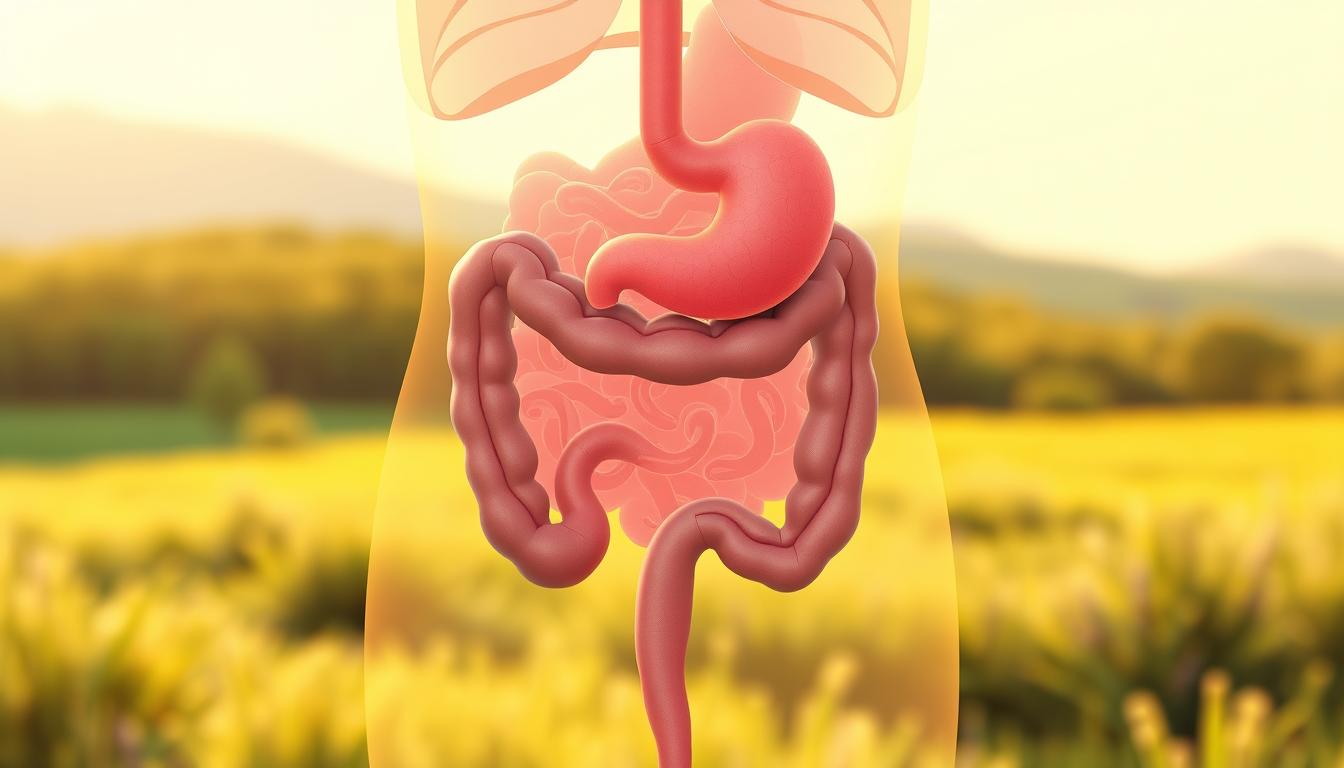
Diabetes mellitus affects millions worldwide, causing devastating complications when blood glucose levels remain uncontrolled. Recent studies have highlighted a critical yet often overlooked component in effective diabetes management: the relationship between gut health and glycemic control.
The prevalence of type 2 diabetes is alarmingly high, accounting for 90% of diabetes cases globally. Maintaining optimal blood glucose levels is crucial to preventing severe complications. Emerging research has established a strong connection between the gut microbiome and the body’s ability to regulate blood sugar levels.
List of contents:
- Understanding the Diabetes Epidemic
- The Challenge of Glycemic Control
- Alarming Statistics: Poor Glycemic Control Prevalence
- The Gut-Glucose Connection
- Factors Affecting Glycemic Control
- The Gut Microbiome as a Therapeutic Target
- Traditional Herbal Approaches to Diabetes Management
- Introducing Langnis: A Natural Approach to Glycemic Control
- The Science Behind Langnis Ingredients
- How Langnis Supports Gut Health
- Mechanisms of Action for Blood Sugar Regulation
- Comprehensive Approach to Diabetes Management
- Overcoming Barriers to Good Glycemic Control
- Monitoring Progress and Adjusting Treatment
- Safety Considerations and Potential Interactions
- Conclusion: Integrating Gut Health into Diabetes Care
- FAQ
- What is the target range for blood glucose levels in diabetic patients?
- How does gut health influence blood sugar levels?
- What are the consequences of uncontrolled blood sugar levels?
- Can prebiotics and probiotics help with glycemic management?
- How can I monitor my progress and adjust my treatment plan?
- Are there any safety considerations when using herbal remedies for diabetes management?
- Related posts:
- Nature’s Answer to High Blood Sugar: A Deep Dive into Sambiloto
- Langnis Capsules, Recommended Natural Diabetes Supplements
- Benefits of Eucalyptus Herbal Plants
Key Takeaways
- Understanding the link between gut health and glycemic control is crucial for effective diabetes management.
- Type 2 diabetes management can be improved by addressing gut health.
- Traditional herbal medicines, such as Langnis, are being scientifically validated for their role in supporting gut health and glycemic control.
- Maintaining optimal blood glucose levels is essential to prevent diabetes complications.
- Gut microbiome composition plays a significant role in regulating blood sugar levels.
Understanding the Diabetes Epidemic
The global diabetes epidemic is a pressing concern that affects millions worldwide. Diabetes mellitus is a chronic condition characterized by high blood sugar levels, and its prevalence is increasing at an alarming rate.
Global Prevalence of Diabetes
Diabetes has become a significant health issue globally, with the International Diabetes Federation (IDF) reporting a substantial rise in the number of people living with diabetes. The global prevalence of diabetes is expected to continue growing, driven by factors such as obesity, sedentary lifestyles, and aging populations. Poor glycemic control is a major concern, as it can lead to serious complications, including cardiovascular disease, kidney damage, and vision loss.
- The global prevalence of diabetes is projected to increase significantly over the next few decades.
- The majority of people with diabetes live in low- and middle-income countries.
- Type 2 diabetes accounts for the majority of diabetes cases worldwide.
The Rising Burden in the Philippines
The Philippines is not immune to the diabetes epidemic, with a rising number of people being diagnosed with the condition. The country’s changing lifestyle and dietary habits have contributed to the increasing prevalence of diabetes. Efficient glycemic control is crucial to prevent complications and improve the quality of life for individuals with diabetes.
Economic Impact of Diabetes Management
The economic burden of diabetes is substantial, with global healthcare expenditures for diabetes reaching approximately US$727 billion in 2017. In the Philippines, diabetes management consumes a significant portion of both public health resources and private household income. Poor glycemic control significantly increases healthcare costs due to the need for more frequent hospitalizations and treatment of preventable complications.
- The economic burden of diabetes includes direct medical costs, such as hospitalizations and medications.
- Indirect costs, such as lost productivity and premature mortality, also contribute to the overall economic impact.
- Effective glycemic control measures can help reduce the economic burden of diabetes.
By understanding the scope of the diabetes epidemic and its economic impact, we can better appreciate the need for effective management strategies, including glycemic control, to mitigate its effects.
The Challenge of Glycemic Control
Managing blood glucose levels effectively is crucial for diabetics, but it’s easier said than done. Glycemic control is a cornerstone of diabetes management, directly influencing the risk of complications and the quality of life for diabetic patients.
Defining Glycemic Control
Glycemic control refers to the management of blood glucose levels within a target range. It is a critical aspect of diabetes care, as it helps prevent both short-term complications, such as hypoglycemia, and long-term complications, including cardiovascular disease and nephropathy. Good glycemic control is defined by various professional organizations, including the American Diabetes Association (ADA).
Measuring Blood Glucose Levels
Blood glucose levels are measured using various tests, with the glycated hemoglobin (HbA1c) test being a standard tool for assessing long-term glycemic control. The HbA1c test provides an average of blood glucose levels over the preceding 2-3 months. Additionally, fasting blood glucose and postprandial glucose tests are used to monitor daily fluctuations in blood glucose.
Target Ranges for Diabetic Patients
Target ranges for glycemic control vary among different professional organizations. The ADA recommends an HbA1c target of less than 7% for most adult patients. For fasting blood glucose, the ADA suggests a range of 70-130 mg/dL. Individualization of glycemic targets is essential, considering factors such as age, comorbidities, and history of hypoglycemia.
- Target ranges for glycemic control are not one-size-fits-all.
- Fasting blood glucose targets typically range from 70-130 mg/dL.
- Postprandial targets are generally set at less than 180 mg/dL.
- Glycemic targets should be periodically reassessed based on changes in the patient’s overall health status.
Maintaining good glycemic control is a dynamic process that requires continuous monitoring and adjustment of treatment plans. Healthcare providers work closely with patients to set and achieve personalized glycemic targets, balancing the benefits of tight control against the risks of hypoglycemia and treatment burden.
Alarming Statistics: Poor Glycemic Control Prevalence
Maintaining optimal blood glucose levels is crucial, but poor glycemic control is alarmingly common. Inadequate glycemic control leads to uncontrolled diabetes, resulting in numerous complications that significantly reduce the quality of life, life expectancy, and increase healthcare costs.
Global Patterns of Glycemic Control
Globally, the prevalence of poor glycemic control varies, but it remains a significant issue across different populations. Studies have shown that a substantial proportion of diabetic patients do not achieve target blood glucose levels, putting them at risk of diabetes-related complications.
Developing vs. Developed Countries
The disparity in glycemic control between developing and developed countries is notable. Developed countries often have better healthcare infrastructure, leading to improved diabetes management. In contrast, developing countries face challenges such as limited access to healthcare, making glycemic control more difficult.
Consequences of Uncontrolled Blood Sugar
Uncontrolled blood sugar levels have severe consequences, including:
- Microvascular Complications: Diabetic retinopathy, nephropathy, and neuropathy, which significantly impact quality of life.
- Macrovascular Complications: Coronary artery disease, peripheral arterial disease, and stroke, major causes of mortality among diabetics.
- Increased Risk: Each 1% increase in HbA1c is associated with a 15-20% increased risk of cardiovascular complications.
Improving glycemic control is essential to reduce morbidity, increase life expectancy, and enhance the quality of life for diabetic patients. Rigorous monitoring and control of blood glucose levels are critical components of effective diabetes management.
The Gut-Glucose Connection
The gut microbiome’s influence on glucose metabolism has significant implications for glycemic control in diabetes. Emerging research highlights the intricate relationship between gut health and blood sugar regulation.
How Gut Health Influences Blood Sugar
Gut health plays a crucial role in glucose metabolism, affecting glycemic control in individuals with type diabetes. An imbalance in the gut microbiota, or dysbiosis, can lead to impaired glucose regulation. This is because the gut microbiome influences the body’s ability to manage blood glucose levels effectively.
Disruptions in gut microbial composition can increase intestinal permeability, allowing bacterial endotoxins to enter circulation and trigger systemic inflammation that contributes to insulin resistance. Certain pathogenic bacteria produce metabolites that interfere with insulin signaling pathways, while beneficial bacteria that produce protective compounds may be reduced in dysbiosis.
The Microbiome’s Role in Glucose Metabolism
The gut microbiome is integral to glucose metabolism, producing short-chain fatty acids that influence glucose utilization and storage. Beneficial bacteria in the gut microbiome enhance insulin sensitivity, while dysbiosis can impair glucose metabolism, contributing to elevated blood sugar levels.
The bidirectional relationship between gut dysbiosis and glycemic control creates a potential vicious cycle, where hyperglycemia further alters gut microbial composition. Therapeutic approaches targeting gut dysbiosis, including prebiotics, probiotics, and herbal medicines like Langnis with antimicrobial and anti-inflammatory properties, may help restore microbial balance and improve glycemic control.
Gut Dysbiosis and Insulin Resistance
Gut dysbiosis has been strongly linked to the development of insulin resistance and impaired glycemic control. Restoring balance to the gut microbiome through dietary changes, probiotics, or herbal remedies may offer a promising avenue for improving insulin sensitivity and glucose metabolism.
Factors Affecting Glycemic Control
Maintaining optimal glycemic control is challenging due to several influencing factors. Effective management of diabetes requires understanding these factors to improve patient outcomes, especially in cases of poor glycaemic control.
Personal and Demographic Factors
Personal and demographic factors play a significant role in glycemic control. Individuals with a low level of education and those residing in rural areas are at a higher risk of experiencing poor glycemic control. These factors can limit access to healthcare resources and diabetes education, making it harder for patients to manage their condition effectively, thus contributing to associated poor glycemic outcomes.
Clinical and Medical Factors
Clinical and medical factors also significantly impact glycemic control. The use of insulin, either alone or in combination with oral hypoglycemic agents, can affect glycemic control outcomes. Additionally, a history of coronary artery disease (CAD) has been associated with poor glycemic control, highlighting the need for comprehensive management of cardiovascular risk factors in diabetic patients to mitigate factors associated poor glycemic control.
Behavioral and Lifestyle Factors
Behavioral and lifestyle factors are crucial determinants of glycemic control. Unhealthy eating habits can directly impact blood glucose levels, while infrequent follow-up check-ups can hinder timely adjustments to treatment plans. Promoting healthy lifestyle choices and regular monitoring can help achieve better glycemic control, particularly for those with control type diabetes.
Medication-Related Factors
Medication-related factors are also vital in determining glycemic control outcomes. The selection of diabetes medications significantly impacts glycemic control, with different classes of medications having varying efficacy and side effect profiles. Medication adherence is one of the strongest factors associated with glycemic control, with non-adherence being a major contributor to poor glycemic control.
- Medication affordability directly affects adherence patterns, particularly in regions without universal healthcare coverage.
- Medication complexity, including multiple daily dosing and complex regimens, can reduce adherence.
- Side effects of diabetes medications, such as hypoglycemia and weight gain, may lead to intentional non-adherence.
Understanding these factors and their interplay is essential for developing effective strategies to improve glycemic control in diabetic patients. By addressing these factors, healthcare providers can help patients achieve better diabetes management and reduce the risk of complications.
The Gut Microbiome as a Therapeutic Target
As research advances, the gut microbiome is being increasingly recognized as a potential therapeutic target for improving glycemic control in diabetic patients. The intricate relationship between the gut microbiome and glucose metabolism has opened new avenues for managing type diabetes.
Emerging Research on Gut Bacteria and Diabetes
Recent studies have shed light on the critical role of gut bacteria in diabetes management. Research has shown that the composition of gut microbiota differs significantly between individuals with type diabetes and those without. This disparity affects glucose metabolism and insulin sensitivity, highlighting the potential for microbiome modulation in diabetic patients.
Key findings include:
- The presence of specific bacterial strains that influence glucose metabolism.
- The impact of gut dysbiosis on insulin resistance and glycemic control.
Microbiome Modulation Strategies
Modulating the gut microbiome offers a promising approach to improving glycemic control. Strategies include the use of prebiotics and probiotics to alter the gut microbial composition beneficially.
Prebiotics and Probiotics for Glycemic Control
Prebiotics such as inulin and fructooligosaccharides (FOS) have shown promise in clinical trials for improving glycemic control in type diabetes by enhancing the growth of beneficial gut bacteria. Specific probiotic strains, particularly from the Lactobacillus and Bifidobacterium genera, have demonstrated efficacy in improving insulin sensitivity and reducing fasting blood glucose in diabetic patients.
The mechanisms through which these interventions work include increased production of short-chain fatty acids, reduced gut permeability, and enhanced incretin hormone secretion. Individual responses vary, highlighting the need for personalized approaches based on baseline microbiome composition and metabolic parameters.
By targeting the gut microbiome, healthcare providers can offer new therapeutic options for managing diabetes, potentially leading to better glycemic control and improved outcomes for diabetic patients.
Traditional Herbal Approaches to Diabetes Management
For diabetic patients, traditional herbal remedies provide an alternative or adjunct therapy to conventional treatments. The integration of these remedies into diabetes care is gaining attention due to their potential benefits in glycemic control.
Historical Use of Medicinal Plants for Diabetes
Medicinal plants have been used for centuries to manage type diabetes, with various cultures developing their own traditional remedies. In the Philippines, for instance, local herbs have been utilized to relieve symptoms associated with diabetes mellitus. The historical use of these plants underscores their potential role in modern diabetes management.
Scientific Validation of Traditional Remedies
Recent studies have begun to scientifically validate the efficacy of certain traditional herbal remedies in improving glycemic control. This validation is crucial for integrating these remedies into evidence-based practice, ensuring they complement conventional treatments for type diabetes effectively.
Integration with Modern Medicine
Integrating traditional herbal approaches with modern medicine requires careful consideration of potential interactions and benefits. As noted by experts, “Integrative approaches to diabetes management combine evidence-based conventional treatments with traditional herbal remedies, potentially offering complementary benefits for glycemic control.” Clinical studies are essential to understand how herbal remedies interact with conventional diabetes medications, ensuring safe and effective glycemic control for diabetic patients.
The future of diabetes management may lie in combining the best of traditional knowledge with modern medical practices, enhancing patient-centered care and potentially improving outcomes for those living with diabetes mellitus.
Introducing Langnis: A Natural Approach to Glycemic Control
Langnis is revolutionizing diabetes management with its natural approach to glycemic control. This herbal medicine is designed to support individuals with type diabetes in achieving better blood sugar management.

Origins and Development
Langnis is the result of extensive research into traditional herbal remedies for diabetes. Its development is rooted in the understanding of the importance of glycemic control in managing type diabetes. By leveraging advanced technology, Langnis enhances the bioavailability of its herbal components, ensuring effective support for good glycemic practices.
Key Herbal Components and Their Properties
The efficacy of Langnis lies in its carefully selected herbal components, which have been traditionally used to support blood sugar management. These components are known for their properties that contribute to improved glycemic control. The combination of these herbs in Langnis creates a synergistic effect that enhances their individual benefits, providing comprehensive support for individuals with type diabetes.
- Langnis employs state-of-the-art extraction and processing technologies that preserve the bioactive compounds in each herb while eliminating potential contaminants.
- The advanced processing methods used in Langnis production enhance the bioavailability of key phytochemicals, allowing for more efficient absorption and utilization by the body.
- Standardization techniques ensure consistent potency of active compounds across batches, providing reliable support for glycemic control with each dose.
- The manufacturing process adheres to strict quality control protocols, including testing for heavy metals, pesticides, and microbial contamination to ensure product safety.
- These technological advancements represent a significant improvement over traditional preparation methods, allowing for faster action and more predictable effects on blood sugar regulation.
Advanced Processing Technology
Langnis utilizes cutting-edge technology to process its herbal ingredients, ensuring that the final product is not only effective but also safe for consumption. This advanced processing technology is a critical factor in Langnis’s ability to support glycemic control effectively.
The Science Behind Langnis Ingredients
By understanding the science behind Langnis ingredients, we can appreciate how they work together to support diabetes patients in achieving good glycemic control. Langnis is a formulation that combines traditional herbal ingredients, each chosen for its therapeutic properties, aligning with the standards of medical care for type diabetes patients.
Alyxiae Renwardtii Cortex (Pulasari)
Alyxiae Renwardtii Cortex, commonly known as Pulasari, is one of the key ingredients in Langnis. Research has shown that Pulasari may contribute to improved glycemic control by influencing various physiological pathways, making it beneficial for type diabetes mellitus patients.
Alstoniae Scholaris Cortex (Pulai)
Alstoniae Scholaris Cortex, or Pulai, is another crucial component of Langnis. Studies indicate that Pulai may help in managing blood glucose levels, thereby supporting the overall management of diabetes patients.
Andrographis Paniculata Herba (Sambiloto)
Andrographis Paniculata, known as Sambiloto, is recognized for its potential health benefits, including its impact on glycemic control. The herb is believed to enhance the body’s ability to regulate blood sugar levels, which is crucial for those with type diabetes mellitus.
Syzygii Cumini Semen (Biji Duwet)
Syzygii Cumini Semen, or Biji Duwet, is included in Langnis at a dosage of 200mg. This ingredient has a long history of use in traditional medicine for diabetes management. The seeds contain compounds that may reduce blood glucose levels and improve glycemic control in diabetes patients. Studies have shown that Biji Duwet extracts can significantly improve glycemic control parameters, including fasting and postprandial glucose levels, thereby adhering to the standards of medical care.
In conclusion, the combination of these herbal ingredients in Langnis provides a comprehensive approach to supporting glycemic control and overall health in diabetes patients.
How Langnis Supports Gut Health
The intricate relationship between gut health and diabetes management is a critical area of focus for improving glycemic control. Langnis, a natural supplement, plays a significant role in supporting gut health through multiple mechanisms.
Anti-inflammatory Properties
Langnis contains herbal components that possess anti-inflammatory properties, which help in reducing inflammation in the gut. Chronic inflammation is a common issue in diabetic patients, contributing to poor glycemic control. By mitigating this inflammation, Langnis aids in creating a more favorable gut environment.
Prebiotic Effects on Gut Microbiota
The herbs in Langnis have prebiotic effects, promoting the growth of beneficial gut bacteria. This is crucial for maintaining a balanced gut microbiome, which in turn supports glycemic control. A healthy gut microbiota helps in the proper metabolism of glucose, reducing the risk of complications associated with type diabetes.
- Langnis contains compounds that help strengthen the intestinal epithelial barrier, reducing “leaky gut” that allows bacterial endotoxins to enter circulation and trigger insulin resistance.
- The herbs in Langnis support the production of mucin and antimicrobial peptides that form part of the gut’s defensive barrier against pathogenic microorganisms.
- By enhancing tight junction protein expression, components in Langnis help maintain the integrity of the intestinal barrier, which is often compromised in diabetic patients.
Improving Intestinal Barrier Function
Improved intestinal barrier function reduces metabolic endotoxemia, a condition linked to chronic inflammation and poor glycemic control in type diabetes. The barrier-enhancing effects of Langnis represent an important mechanism through which gut health directly influences systemic metabolism and glycemic control.
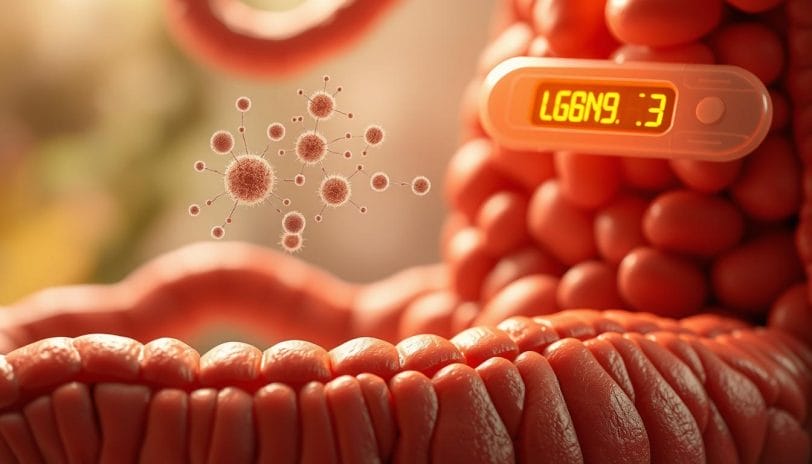
In summary, Langnis supports gut health through its anti-inflammatory properties, prebiotic effects, and by improving intestinal barrier function. These mechanisms collectively contribute to better glycemic control, making Langnis a valuable adjunct in the management of diabetes.
Mechanisms of Action for Blood Sugar Regulation
The mechanisms by which Langnis influences blood sugar regulation are multifaceted, involving several key processes that contribute to effective glycemic control. Understanding these mechanisms is crucial for appreciating how Langnis can support diabetic patients in managing their condition.
Enhancing Insulin Sensitivity
Langnis has been shown to enhance insulin sensitivity, a critical factor in maintaining healthy blood sugar levels. By improving the body’s response to insulin, Langnis helps to facilitate the uptake of glucose by cells, thereby reducing blood sugar levels. This effect is particularly beneficial for individuals with insulin resistance, a common condition among diabetic patients.
Reducing Glucose Absorption
Another mechanism by which Langnis regulates blood sugar is by reducing glucose absorption in the gut. Certain compounds within Langnis have been found to slow down the absorption of glucose from the digestive tract into the bloodstream, thereby preventing sudden spikes in blood sugar levels. This action helps to maintain more stable glycemic control throughout the day.
Protecting Pancreatic Beta Cells
The antioxidant compounds in Langnis play a crucial role in protecting pancreatic beta cells from oxidative stress, a major contributor to beta cell dysfunction and death in diabetes. By preserving beta cell mass and function, Langnis supports the body’s endogenous insulin production capacity, which is essential for long-term glycemic control. Key benefits include:
- Preservation of beta cell function, supporting insulin production.
- Potential regeneration of beta cells, as shown in preclinical studies.
- Slowing the progressive nature of type 2 diabetes by maintaining insulin secretory function.
These protective mechanisms are particularly important for newly diagnosed diabetic patients, where preserving remaining beta cell function can significantly impact long-term disease trajectory. Maintaining a healthy body mass index (BMI) is also crucial, as it is categorized as: underweight (25.00).
Comprehensive Approach to Diabetes Management
Effective diabetes management requires a multifaceted approach that incorporates both medical treatment and lifestyle modifications. Achieving optimal glycemic control is crucial for individuals with diabetes mellitus, reducing the risk of complications and improving quality of life among patients type diabetes. This is particularly important as glycemic control among patients type diabetes is linked to better health outcomes.
Combining Herbal Medicine with Lifestyle Changes
Integrating herbal remedies with lifestyle changes can significantly enhance diabetes management. For instance, certain herbal medicines have been shown to support glycemic control when used alongside dietary modifications and regular physical activity. This comprehensive approach can help individuals with type diabetes achieve better health outcomes, particularly in managing the associated factors affecting diabetes mellitus patients.
Dietary Recommendations for Diabetics
A well-balanced diet is essential for managing diabetes mellitus. Patients attending diabetes care programs should be advised to focus on whole, nutrient-dense foods, including vegetables, fruits, whole grains, lean proteins, and healthy fats. Limiting sugary drinks and foods high in added sugars, salt, and unhealthy fats is also crucial for maintaining glycemic control among patients type diabetes.
Physical Activity Guidelines
Regular physical activity is a cornerstone of glycemic control for individuals with type diabetes. Current guidelines recommend at least 150 minutes of moderate-intensity aerobic activity weekly, spread over at least three days. Incorporating resistance training at least twice weekly can also help build muscle mass, improving glucose disposal capacity and long-term glycemic control. High-intensity interval training (HIIT) has shown particular promise, producing significant improvements in insulin sensitivity among patients.
By adopting a comprehensive approach that includes herbal medicine, dietary changes, and regular physical activity, individuals with diabetes can achieve better glycemic control and reduce the risk of complications. Addressing the factors among type diabetes mellitus patients is essential for effective medical care diabetes.
Overcoming Barriers to Good Glycemic Control
Achieving good glycemic control is a multifaceted challenge for diabetic patients, requiring a comprehensive approach that addresses various barriers. Effective management involves not only medication but also lifestyle changes, regular monitoring, and patient education.
Addressing Medication Adherence
Medication adherence is a critical factor in achieving good glycemic control. Studies have shown that non-adherence to medication regimens is a significant barrier to effective diabetes management. Strategies to improve adherence include simplifying medication regimens, providing patient education on the importance of adherence, and leveraging technology such as reminders.
Importance of Regular Follow-up
A study conducted at Amana Regional Referral Hospital (ARRH) in Dar-es-salaam, Tanzania, from December 2021 to September 2022, found that 63.3% (157/248) of diabetic patients reported having no regular follow-up of their DM clinics. Regular follow-up is essential for monitoring disease progression, adjusting treatment plans, and providing ongoing support to patients. This can be achieved through regular clinic visits, telehealth services, or community-based programs.

Patient Education and Self-Management
Comprehensive diabetes self-management education (DSME) is crucial for empowering patients with the knowledge and skills needed for daily disease management. Effective DSME programs address multiple domains, including:
- Medication management
- Monitoring blood glucose levels
- Nutrition and physical activity planning
- Problem-solving and psychosocial adaptation
Culturally tailored education approaches and group-based education models have shown superior outcomes, offering additional benefits such as peer support and shared problem-solving. Ongoing self-management support beyond initial education is essential for maintaining behavioral changes and adapting management strategies as the disease status evolves.
In conclusion, overcoming barriers to good glycemic control requires a multifaceted approach that includes addressing medication adherence, ensuring regular follow-up, and providing comprehensive patient education and self-management support. By implementing these strategies, healthcare providers can help diabetic patients achieve better glycemic control and improve their overall quality of life.
Monitoring Progress and Adjusting Treatment
To achieve optimal glycemic control, it is essential to regularly monitor progress and make necessary adjustments to treatment. This ongoing process involves tracking various health indicators, recognizing signs of improvement or deterioration, and consulting healthcare providers when necessary.

Tracking Blood Glucose Levels
Regular tracking of blood glucose levels is fundamental to managing diabetes effectively. The American Diabetes Association (ADA) recommends maintaining fasting blood glucose levels within the range of 70-130 mg/dL (3.9-7.2 mmol/L) and glycated hemoglobin (HbA1c) below 7%. Monitoring these levels helps in assessing the effectiveness of the current treatment plan and making informed decisions about necessary adjustments.
Recognizing Signs of Improvement
Improvement in glycemic control can be indicated by stable blood glucose levels, reduction in HbA1c, and alleviation of diabetes-related symptoms. Recognizing these signs is crucial for motivating continued adherence to treatment plans and lifestyle modifications. Moreover, understanding the indicators of poor glycemic control, such as persistent hyperglycemia or recurrent hypoglycemia, is vital for prompt intervention.
When to Consult Healthcare Providers
It is crucial to consult healthcare providers under several circumstances, including persistent hyperglycemia despite adherence to the prescribed treatment plan, recurrent hypoglycemia, or the development of new symptoms potentially related to diabetes complications. Significant changes in weight, physical activity levels, or dietary patterns also necessitate consultation to evaluate the need for treatment adjustments. According to standards of medical care in diabetes, regular preventive visits are essential even when glycemic control appears stable, as subtle changes in kidney function, retinal health, or cardiovascular risk may require intervention before symptoms develop.
- Persistent hyperglycemia despite adherence to the prescribed treatment plan necessitates prompt consultation with healthcare providers.
- Recurrent hypoglycemia or severe hypoglycemic episodes require immediate medical attention.
- New symptoms potentially related to diabetes complications warrant urgent medical evaluation.
- Significant changes in weight, physical activity, or diet may necessitate treatment adjustments.
By maintaining regular communication with healthcare providers and staying vigilant about changes in health status, individuals with diabetes can achieve better glycemic control and reduce the risk of complications.
Safety Considerations and Potential Interactions
When considering herbal remedies like Langnis for glycemic control, it’s crucial to examine their safety profile. Langnis, an herbal medicine consisting of Pule, Sambiloto, and Duwet extracts, is designed to help relieve the symptoms of diabetes. While it is made from 100% genuine herbs of premium quality, its interaction with other medications and potential side effects must be understood.
Side Effect Profile of Herbal Remedies
Herbal remedies, although natural, can have side effects. The components of Langnis, such as Pule and Sambiloto, are generally considered safe, but individual reactions may vary. Monitoring for any adverse effects is essential when initiating treatment with Langnis.
- Gastrointestinal upset
- Allergic reactions
- Interactions with other medications
Interactions with Conventional Medications
Patients using Langnis alongside conventional diabetes medications should be aware of potential interactions. The herbal components may enhance or inhibit the effects of prescription drugs, affecting glycemic control.
Key considerations:
- Potential for hypoglycemia or hyperglycemia
- Effects on medication efficacy
Precautions for Special Populations
Certain populations require special consideration when using herbal remedies like Langnis. Pregnant and breastfeeding women should exercise caution due to limited safety data. Elderly diabetic patients may need dosage adjustments due to altered metabolism. Individuals with renal or hepatic impairment should use Langnis with caution, as they may process herbal compounds differently.
Conclusion: Integrating Gut Health into Diabetes Care
The connection between gut health and glycemic control is revolutionizing the approach to managing diabetes mellitus. As we’ve explored throughout this article, the emerging understanding of the gut-glucose connection represents a paradigm shift in type diabetes management, highlighting the importance of addressing gut health as a fundamental component of glycemic control.
Integrating gut-focused interventions, including targeted herbal formulations like Langnis, offers a complementary approach to conventional diabetes care that addresses underlying physiological mechanisms rather than just symptoms. Langnis, an herbal medicine consisting of Pule, Sambiloto, and Duwet extracts, helps relieve the symptoms of diabetes and is made from 100% genuine herbs of premium quality.
The bidirectional relationship between gut health and blood glucose regulation suggests that improvements in one domain can create positive feedback loops that enhance overall metabolic health. For patients struggling with poor glycemic control despite adherence to standard treatments, addressing gut health may provide a missing link that helps overcome treatment plateaus.
Future directions in type diabetes management will likely include personalized approaches that consider individual gut microbiome profiles, genetic factors, and metabolic responses to optimize treatment strategies and outcomes, ultimately leading to better glycemic control.
FAQ
What is the target range for blood glucose levels in diabetic patients?
According to the American Diabetes Association, the target range for blood glucose levels in diabetic patients is typically between 70-130 mg/dL before meals and less than 180 mg/dL after meals.
How does gut health influence blood sugar levels?
Research suggests that the gut microbiome plays a crucial role in glucose metabolism, and an imbalance in gut bacteria, also known as gut dysbiosis, can contribute to insulin resistance and poor glycemic management.
What are the consequences of uncontrolled blood sugar levels?
Uncontrolled blood sugar levels can lead to serious complications, including cardiovascular disease, kidney damage, nerve damage, and vision problems, emphasizing the importance of achieving good glycemic management.
Can prebiotics and probiotics help with glycemic management?
Yes, certain prebiotics and probiotics have been shown to have a positive impact on glucose metabolism and insulin sensitivity, making them a potential adjunct therapy for diabetic patients.
How can I monitor my progress and adjust my treatment plan?
Regularly tracking blood glucose levels, recognizing signs of improvement, and consulting with healthcare providers can help individuals with diabetes adjust their treatment plan and achieve better glycemic management.
Are there any safety considerations when using herbal remedies for diabetes management?
Yes, it’s essential to be aware of the potential side effects and interactions with conventional medications when using herbal remedies, and to consult with healthcare providers before adding any new supplements to your regimen.